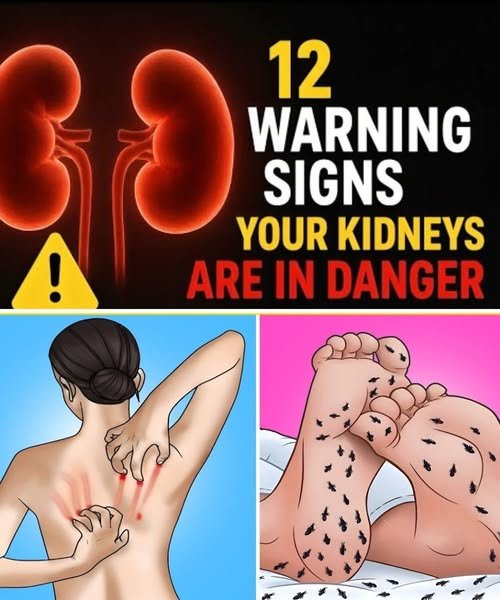
Discover 7 unusual warning signs that may be linked to kidney problems, including changes in urine, swelling, fatigue, itching, and more. Learn when these symptoms need medical attention.
ALERT! 7 Strange Signs Your Kidneys Are Crying for Help
Your kidneys work quietly around the clock. These bean-shaped organs filter waste from your blood, help control fluid and electrolyte balance, support healthy blood pressure, and contribute to red blood cell production.
The tricky part is that kidney disease can develop without obvious symptoms, particularly in its earlier stages. Some signs may appear vague or seem unrelated to the kidneys.
That doesn’t mean every unusual symptom indicates kidney disease. Many of these symptoms can have several different causes. But when they are persistent, severe, or occur together, they deserve medical attention.
1. Changes in How Often You Urinate
A noticeable change in urination can sometimes be a sign that something is affecting the urinary system or kidneys.
You may notice:
- Urinating much more frequently
- Needing to urinate repeatedly at night
- Producing less urine than usual
- Suddenly having difficulty urinating
- Changes in your usual urination pattern
Frequent urination can also result from diabetes, urinary tract infections, medications, pregnancy, or drinking large amounts of fluid, so it isn’t automatically a sign of kidney disease.
2. Foamy or Frothy Urine
Occasional bubbles in urine aren’t necessarily concerning. They can occur simply because urine hits the toilet water quickly.
However, persistent or unusually foamy urine can sometimes indicate excess protein in the urine.
Healthy kidneys normally prevent significant amounts of protein from passing into urine. When the kidney’s filtering system is damaged, protein can leak through.
A simple urine test can check for protein or albumin and help determine whether further evaluation is necessary.
3. Swelling Around the Feet and Ankles
Swelling, medically called edema, can occur when the body retains excess fluid.
Kidney problems can contribute to fluid retention, potentially causing swelling in the:
- Feet
- Ankles
- Lower legs
- Hands
- Face or around the eyes
But swelling has many possible causes, including heart problems, liver disease, certain medications, prolonged sitting, and vein problems.
Persistent or unexplained swelling should be assessed rather than automatically attributed to the kidneys.
4. Unexplained Fatigue or Weakness
Feeling unusually tired can have many explanations, including inadequate sleep, stress, anemia, nutritional deficiencies, thyroid problems, infections, and other medical conditions.
Advanced kidney disease can contribute to fatigue because damaged kidneys may produce less erythropoietin, a hormone involved in red blood cell production. This can contribute to anemia.
If tiredness is persistent and accompanied by other symptoms such as swelling, changes in urination, nausea, or unexplained weight changes, speak with a healthcare professional.
5. Persistent Itchy Skin
Severe or persistent itching can occur in people with advanced kidney disease.
When kidney function becomes significantly impaired, waste products and changes in mineral balance can contribute to itching.
However, itchy skin is far more commonly associated with other conditions, including dry skin, allergies, eczema, medications, and liver problems.
Unexplained itching that continues despite basic skin care deserves medical evaluation.
6. Nausea, Poor Appetite, or an Unpleasant Taste
When kidney function becomes severely impaired, waste products can build up in the blood. This may contribute to symptoms such as:
- Nausea
- Vomiting
- Poor appetite
- Changes in taste
- An unpleasant or metallic taste
- Weight loss
These symptoms are not specific to kidney disease. Digestive disorders, infections, medications, pregnancy, and numerous other conditions can cause similar problems.
Persistent symptoms should therefore be evaluated rather than self-diagnosed.
7. Muscle Cramps or Changes in Muscle Function
Kidneys help maintain the body’s balance of electrolytes and minerals.
Significant kidney dysfunction can disturb levels of substances such as calcium, potassium, and phosphorus, potentially contributing to muscle cramps, weakness, or other changes in muscle function.
Muscle cramps are extremely common, however, and can also occur because of dehydration, exercise, certain medications, or electrolyte disturbances unrelated to kidney disease.
Why Kidney Disease Can Be Difficult to Detect
One of the biggest challenges is that kidney disease may remain relatively silent for a long time.
A person can have reduced kidney function without feeling seriously ill.
That’s why people at increased risk may benefit from routine testing. Important risk factors include:
- Diabetes
- High blood pressure
- Heart disease
- A family history of kidney disease
- Previous kidney problems
- Certain medications or conditions that can affect the kidneys
Simple Tests Can Check Kidney Health
If your doctor suspects a kidney problem, several straightforward tests can provide useful information.
Blood Test
A blood test can measure creatinine, which is used to estimate kidney filtration through the estimated glomerular filtration rate (eGFR).
Urine Test
Urine testing can look for:
- Protein
- Albumin
- Blood
- Other abnormalities
An urine albumin-to-creatinine ratio (UACR) is commonly used to check for albumin leakage.
Blood Pressure Check
Blood pressure and kidney health are closely connected. High blood pressure can damage the kidneys, while kidney disease can also contribute to high blood pressure.
When Should You Seek Medical Help?
Don’t ignore persistent or unexplained changes in urination, swelling, severe fatigue, or other symptoms that concern you.
Seek prompt medical attention if you experience symptoms such as very little or no urine, significant swelling, severe shortness of breath, confusion, persistent vomiting, or severe weakness.
Sudden severe symptoms should be treated as an emergency.
How Can You Protect Your Kidneys?
You can support kidney health by focusing on the basics:
- Keep blood pressure under control.
- Manage diabetes if you have it.
- Avoid smoking.
- Stay physically active.
- Maintain a healthy weight.
- Eat a balanced diet and avoid excessive sodium.
- Stay adequately hydrated according to your individual needs.
- Take medications exactly as prescribed.
- Don’t regularly use pain medicines such as NSAIDs without discussing appropriate use with a healthcare professional.
Final Thoughts
Your kidneys don’t usually “cry for help” with one unmistakable symptom. Instead, problems may appear through subtle changes in urination, swelling, fatigue, itching, appetite, or muscle function.
The important point is not to panic when you notice one of these symptoms. Most have many possible causes. Instead, pay attention to symptoms that are persistent, unexplained, worsening, or occurring together.
If you’re concerned about your kidney health, a simple blood and urine evaluation can often provide valuable information and help identify problems early.