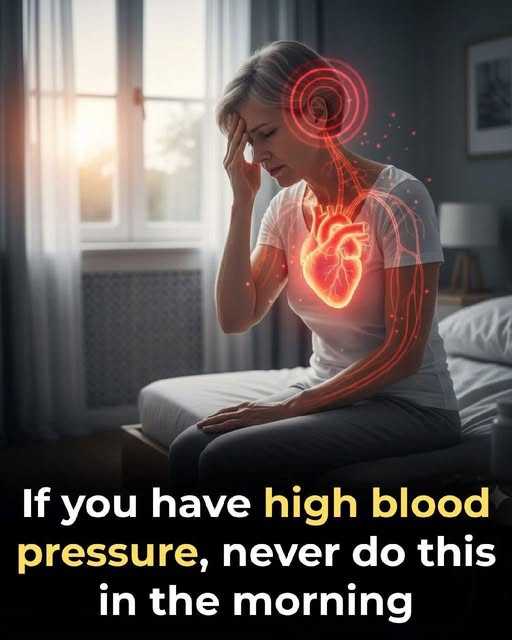
If you have high blood pressure, some morning habits may work against your cardiovascular health. Learn which common habits to avoid and what healthier alternatives can help support safer blood pressure management.
If You Have High Blood Pressure, Never Do This in the Morning
Morning routines can have a surprising effect on how you feel throughout the day. For people with high blood pressure, paying attention to everyday habits is especially important because blood pressure naturally changes over a 24-hour period.
There isn’t one single morning activity that everyone with hypertension must “never” do. However, several common habits can contribute to temporarily higher blood pressure or make it harder to manage over time.
Here are some important ones to reconsider.
1. Don’t Skip Your Prescribed Blood Pressure Medicine
If your doctor has prescribed medication, don’t skip it simply because you feel fine.
High blood pressure often produces no obvious symptoms, so feeling normal does not necessarily mean your blood pressure is under control.
Take your medication exactly as prescribed. If you experience side effects or have trouble remembering your morning dose, speak with your healthcare professional rather than changing the schedule yourself.
2. Don’t Start the Day With Too Much Salt
A breakfast containing large amounts of sodium can contribute to higher blood pressure, particularly in people who are salt-sensitive.
Processed meats, salty packaged foods, instant noodles, heavily salted breads, and some processed breakfast products can contain substantial amounts of sodium.
Instead, consider foods such as fruit, oats, unsalted nuts, vegetables, eggs, or plain yogurt.
3. Be Careful With Large Amounts of Caffeine
Coffee and other caffeinated drinks can temporarily raise blood pressure in some people.
This doesn’t necessarily mean everyone with hypertension needs to stop drinking coffee. However, if you notice that your blood pressure rises after caffeine, discuss your intake with your healthcare professional.
If you measure your blood pressure at home, avoid caffeine and exercise shortly before the measurement so you can obtain a more representative reading.
4. Don’t Smoke First Thing in the Morning
Nicotine can temporarily increase blood pressure and heart rate and causes blood vessels to constrict.
If you smoke, quitting is one of the most important steps you can take for your cardiovascular health.
5. Don’t Rush Out of Bed
Getting out of bed quickly isn’t automatically dangerous for everyone, but some people—particularly older adults or those taking blood-pressure-lowering medication—can experience dizziness or a temporary drop in blood pressure when standing.
If you regularly feel lightheaded when getting up, sit on the edge of the bed for a moment before standing and discuss the symptom with your doctor.
6. Don’t Ignore an Extremely High Reading
If you check your blood pressure in the morning and receive an unexpectedly high result, don’t immediately panic.
Sit quietly and repeat the measurement using proper technique.
However, if your blood pressure is 180/120 mm Hg or higher, wait at least a minute and check it again. If it remains that high, contact a healthcare professional promptly.
If a very high reading occurs along with symptoms such as chest pain, difficulty breathing, severe headache, weakness, numbness, confusion, vision changes, or difficulty speaking, seek emergency medical care immediately.
7. Don’t Begin the Day Dehydrated
Mild dehydration can affect how you feel and may influence cardiovascular measurements.
Drink fluids regularly according to your body’s needs. However, people who have been instructed to restrict fluids because of a heart or kidney condition should follow their clinician’s advice rather than increasing fluid intake on their own.
8. Don’t Let Stress Take Over Your Morning
Stress can temporarily raise blood pressure.
A calmer morning routine may help: give yourself enough time to get ready, practice slow breathing, take a short walk if appropriate, or spend a few minutes quietly preparing for the day.
These habits don’t replace treatment, but they can support an overall healthy routine.
A Better Morning Routine for Blood Pressure
A simple morning routine might include:
- Taking prescribed medication as directed
- Drinking an appropriate amount of water
- Eating a balanced, lower-sodium breakfast
- Avoiding smoking
- Limiting excessive caffeine
- Getting some gentle physical activity when appropriate
- Checking blood pressure correctly when monitoring at home
- Allowing yourself enough time to start the day without unnecessary stress
The Most Important Point
High blood pressure usually doesn’t cause noticeable symptoms, which is why regular monitoring and appropriate medical care matter so much.
Rather than focusing on one “forbidden” morning habit, concentrate on the bigger picture: take prescribed medication consistently, limit excess sodium, avoid smoking, maintain a healthy weight, exercise regularly, and follow your healthcare professional’s recommendations.
And remember: if you ever have a very high blood pressure reading together with symptoms suggesting a heart attack or stroke, treat it as an emergency rather than waiting for the pressure to come down on its own.