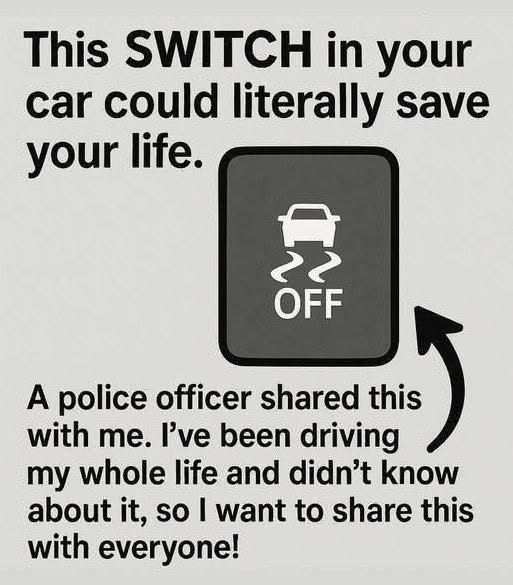
Many drivers overlook important vehicle safety features that can make a difference during an emergency. Learn about a commonly forgotten car safety feature, how it works, and why knowing where it is could potentially help you when you need it most.
The Hidden Car Safety Feature Many Drivers Overlook — And Why It Matters More Than You Think
Most drivers know about seat belts, airbags, hazard lights, and anti-lock brakes. But modern vehicles contain many smaller safety features that are easy to overlook—until an emergency happens.
One example is the emergency fuel-door release, found on some vehicles. Another is the trunk emergency release, which can be particularly important if someone becomes trapped inside the trunk.
The exact features vary by vehicle, so knowing what your own car has—and where it is located—is worth a few minutes of your time.
The Trunk Emergency Release
Many modern vehicles are equipped with an interior trunk-release mechanism designed to allow a person trapped inside the trunk to escape.
Depending on the vehicle, it may be a glow-in-the-dark handle, button, or another clearly marked release mechanism.
It is generally located inside the trunk area and can often be operated without a key.
This feature exists because a person who accidentally becomes trapped in a trunk may otherwise have limited options for getting out.
Why Drivers Should Know About It
You may never need to use the emergency release yourself, but knowing it exists can be useful.
Parents, caregivers, and anyone who regularly transports children should be particularly familiar with the vehicle’s trunk and rear-seat safety features.
It can also be helpful to know how the seats fold, where the emergency equipment is stored, and how to access the vehicle from different positions.
Another Feature People Often Forget: The Emergency Fuel-Door Release
Some vehicles have a manual fuel-door release in case the electronic or mechanical fuel-door mechanism stops working.
It may be located inside the trunk, behind a removable panel, or near the fuel filler area.
The location differs considerably between manufacturers and models, so your owner’s manual is the best source of information.
Check Your Owner’s Manual
Rather than relying on a viral car-safety tip, take a few minutes to look through your vehicle’s manual.
Look for information about:
- Emergency trunk release
- Fuel-door release
- Door locks and child locks
- Folding rear seats
- Emergency flashers
- Spare tire or tire-repair equipment
- Jack and towing points
- Airbag warnings
- Battery-access procedures
Knowing these details before an emergency occurs is far more useful than trying to figure them out under pressure.
Don’t Assume Every Car Has the Same Feature
One important warning: vehicle safety equipment varies by make, model, year, and market.
A feature that exists in one car may not exist in another, and its location can be completely different.
Never force a panel, pull an unfamiliar cable, or modify safety equipment simply because you saw a tip online.
Small Details Can Matter
Car safety isn’t only about avoiding crashes. It is also about knowing what to do when something unexpected happens.
Spend a few minutes familiarizing yourself with your vehicle’s emergency features. It costs nothing, takes very little time, and could make an unfamiliar situation easier to handle.
The best safety feature is often the one you already have—but actually know how to use.