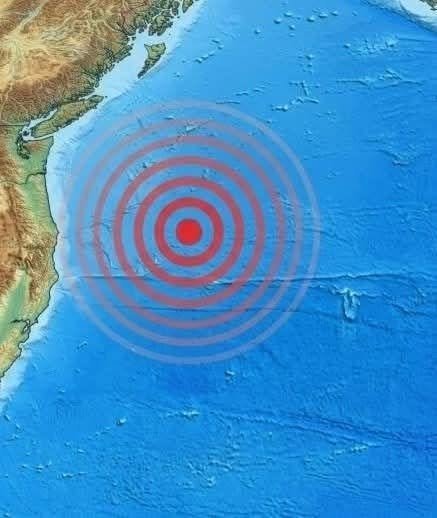
Another Powerful Tremor Raises Concern
Earthquakes can happen with little or no warning, turning an ordinary moment into a dangerous situation within seconds. Strong shaking can damage buildings, break windows, knock down objects, disrupt electricity, and create additional hazards even after the main tremor ends.
If you feel an earthquake, the most important thing is to protect yourself immediately rather than trying to run outside while the ground is shaking.
What to Do During an Earthquake
The recommended response is:
Drop
Get down onto your hands and knees before the shaking knocks you over.
Cover
Take shelter under a sturdy table or desk if one is nearby. Protect your head and neck with your arms.
Hold On
Hold onto your shelter until the shaking stops and be prepared for it to move.
If there is no sturdy shelter nearby, move away from windows, glass, hanging objects, and anything that could fall.
If You’re Inside a Building
Stay indoors during the shaking unless there is an immediate life-threatening hazard.
Avoid:
- Windows and glass
- Balconies
- Tall furniture
- Hanging objects
- Elevators
- Exterior walls
Don’t rush toward the exit while the building is shaking. Falling debris and broken glass can make moving through the building especially dangerous.
If You’re Outside
Move toward an open area away from:
- Buildings
- Trees
- Utility poles
- Power lines
- Signs
- Bridges and elevated structures
Stay in the open until the shaking stops.
If You’re Driving
Slow down and pull over somewhere away from buildings, bridges, trees, and power lines when it is safe to do so.
Remain inside the vehicle until the shaking ends. Watch for damaged roads and fallen debris before continuing your journey.
Be Careful After the Tremor
The danger doesn’t necessarily end when the shaking stops.
After an earthquake, watch for:
- Aftershocks
- Damaged buildings
- Broken glass
- Gas leaks
- Electrical hazards
- Fires
- Fallen power lines
- Damaged roads
If you smell gas or suspect a gas leak, avoid flames, electrical switches, and anything that could create a spark, and follow local emergency guidance.
Don’t Return to a Damaged Building
If a building appears seriously damaged, leave it when it is safe to do so and stay away until authorities or qualified professionals determine that it is safe.
Even a structure that looks intact from outside may have hidden damage.
Keep an Emergency Kit Ready
Every household can benefit from having basic emergency supplies available.
Consider keeping:
- Drinking water
- Nonperishable food
- Flashlights
- Extra batteries
- A first-aid kit
- Essential medications
- A battery-powered or hand-crank radio
- Phone charging equipment
- Important documents
- Basic protective clothing
Having supplies ready before an earthquake can make a major difference if electricity, water, or transportation is disrupted.
Final Thoughts
A violent earthquake can be frightening, but knowing what to do can reduce your risk of injury. During shaking, remember Drop, Cover, and Hold On. Afterward, remain alert for aftershocks and secondary hazards such as damaged buildings, fires, gas leaks, and downed power lines.
If you are referring to a specific earthquake happening right now, tell me the city/country and I can look up the latest confirmed magnitude, location, and official warnings.