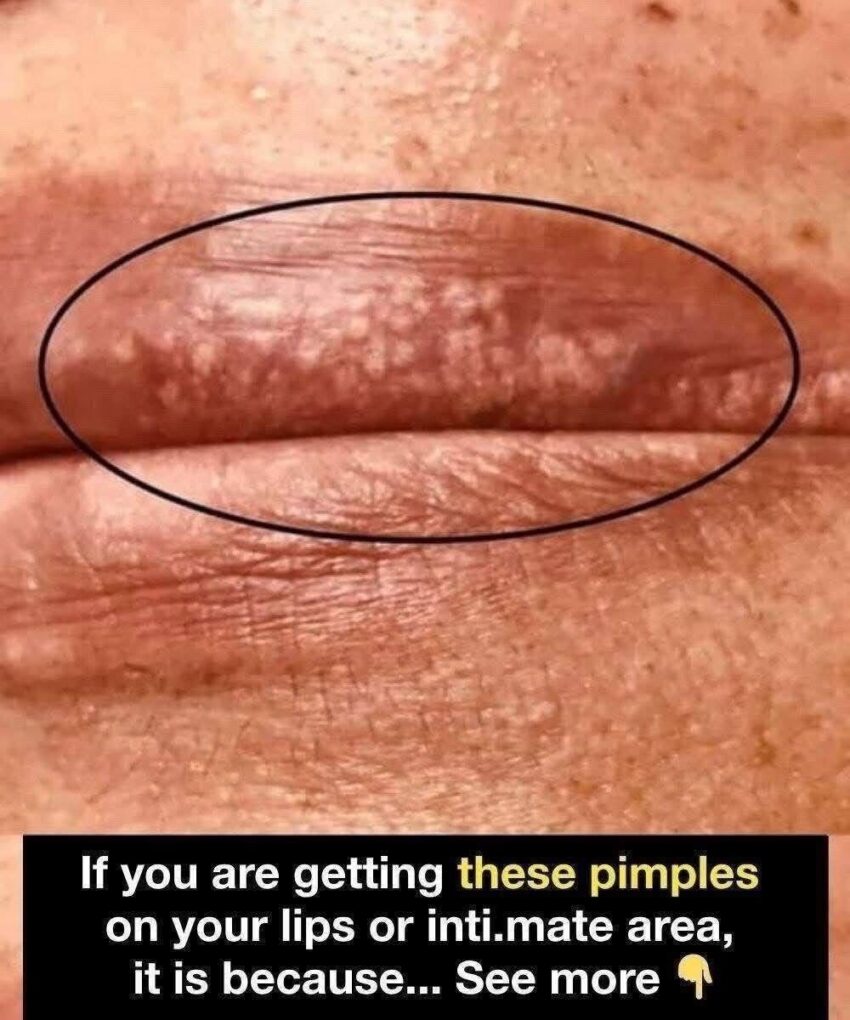
Pimples or bumps on the lips or intimate area can have several causes, including acne, irritation, folliculitis, cold sores, herpes and genital warts. Learn the common causes, warning signs, treatment options and prevention tips.
Pimples on the Lips or Intimate Area: Why Do They Happen?
Finding a pimple, bump, blister or small lump on the lips or intimate area can be worrying. However, not every bump means you have a serious infection. The cause can range from simple skin irritation and blocked hair follicles to viral infections that require medical treatment.
The most important point is that the location and appearance of the bump are not enough to diagnose its cause. A healthcare professional may need to examine the area and, in some cases, perform tests.
Common Causes of Pimples Around the Lips
1. Cold sores
A painful, fluid-filled blister on or around the lip may be a cold sore, which is caused by the herpes simplex virus.
Cold sores commonly begin with tingling, itching or burning. Small blisters can then develop, break open and form a crust. They usually begin healing within about 10 days.
Cold sores are contagious from the first tingling sensation until the sore has completely healed. Kissing and oral sex should therefore be avoided while an active cold sore is present.
Treatment: Antiviral creams may help when used very early, particularly when the characteristic tingling begins. A doctor may prescribe antiviral tablets when sores are severe, very painful or frequently recurring.
2. Ordinary pimples or acne
Acne occurs when hair follicles become blocked by excess oil and dead skin cells. Bacteria can then contribute to inflammation, resulting in spots, pustules or other acne lesions.
A pimple on the skin near the mouth can therefore simply be acne rather than an infection.
What to do:
- Keep the skin clean with a gentle cleanser.
- Avoid squeezing or popping the spot.
- Avoid heavy or irritating cosmetics around the affected area.
- If acne is persistent, a pharmacist or dermatologist can recommend an appropriate acne treatment.
Do not automatically apply acne medication to the actual lip or inside the mouth because some products can irritate sensitive tissue.
3. Irritation or contact dermatitis
Lip products, cosmetics, toothpaste, fragrances and other substances can sometimes irritate the skin or cause an allergic reaction.
Contact dermatitis can cause itching, dryness, redness, burning, cracking or small blisters.
Remedy: Stop using any recently introduced product that may be irritating the area. A bland moisturising product such as petroleum jelly can help protect dry lips. If the problem persists or repeatedly returns, medical assessment can help identify the trigger.
Pimples or Bumps in the Intimate Area
Bumps around the genitals have a wider range of possible causes.
1. Ingrown hair or folliculitis
Shaving, waxing, friction and hair growth can sometimes cause inflammation around a hair follicle. These bumps may look similar to ordinary pimples.
Avoid repeatedly shaving over an irritated area and do not squeeze the bumps, as this can worsen inflammation or introduce infection.
2. Genital herpes
Small groups of blisters that become painful open sores can be a sign of genital herpes.
Other symptoms can include:
- Tingling, burning or itching
- Painful blisters
- Open sores
- Pain when urinating
- Unusual discharge
Genital herpes can be transmitted through vaginal, anal or oral sexual contact and can sometimes be transmitted even when visible sores are absent.
Treatment: A healthcare professional can diagnose herpes and prescribe antiviral medicine when appropriate. Avoid vaginal, anal or oral sex while blisters or sores are present.
3. Genital warts caused by HPV
Genital warts are usually small, painless or mildly uncomfortable growths around the vagina, penis or anus. They can occur individually or in groups and may have a rough or cauliflower-like appearance.
They are caused by certain types of human papillomavirus (HPV) and can be transmitted through intimate skin-to-skin contact.
Treatment: Depending on their size and location, a sexual-health clinician may recommend prescription creams or liquids, freezing (cryotherapy), or removal using a procedure. Pharmacy wart-removal products intended for ordinary skin warts should not be used on genital warts.
4. Other skin conditions
Not every genital bump is an STI. Cysts, normal anatomical structures, molluscum contagiosum, dermatitis and other skin conditions can also produce bumps.
Because some harmless conditions can look similar to infections, persistent or unexplained genital lumps should be examined rather than self-diagnosed.
What Is the Best Remedy?
There is no single cream or home remedy that safely treats every type of lip or genital bump.
The correct treatment depends on the cause:
| Possible cause | Typical appearance | Appropriate approach |
|---|---|---|
| Acne | Pimple, whitehead or inflamed spot | Gentle skin care and appropriate acne treatment |
| Ingrown hair | Small bump around a hair | Avoid shaving/friction; don’t squeeze |
| Contact dermatitis | Itchy, irritated, dry or blistered skin | Remove the irritant and protect the skin |
| Cold sore | Tingling followed by fluid-filled lip blisters | Early antiviral treatment may help |
| Genital herpes | Painful grouped blisters/open sores | Medical assessment and antiviral treatment |
| Genital warts | Painless rough or cauliflower-like growths | Sexual-health assessment and appropriate treatment |
What You Should NOT Do
Avoid trying to burn, cut, pop or squeeze unexplained bumps.
Also avoid applying strong steroid creams, acids, ordinary wart-removal products or harsh antiseptics to the genital area without professional advice. Some treatments can irritate or damage delicate skin, and genital warts require different treatment from ordinary skin warts.
When Should You See a Doctor?
Arrange a medical or sexual-health evaluation if:
- The genital bump is new and you do not know what caused it.
- You have painful blisters or open sores.
- You have several bumps appearing together.
- You have pain or burning when urinating.
- There is unusual genital discharge.
- A lump keeps returning or does not disappear.
- You have had unprotected sexual contact and are concerned about an STI.
- A lip blister is unusually large, painful or does not begin healing within about 10 days.
If you are pregnant and develop possible genital herpes or unexplained genital sores, seek medical advice promptly because herpes can be important during pregnancy and around childbirth.
Prevention Tips
Good everyday skin and sexual-health practices can reduce some causes of bumps:
- Avoid squeezing or picking pimples and sores.
- Keep the genital area clean and dry.
- Avoid harsh soaps, fragrances and irritating products.
- Use clean shaving equipment and avoid shaving irritated skin.
- Do not share lip products with someone who has an active cold sore.
- Avoid kissing when you have an active cold sore.
- Avoid oral, vaginal or anal sex when you or your partner has unexplained genital sores or active herpes symptoms.
- Condoms can reduce the risk of some STIs, although they cannot completely protect against infections transmitted from uncovered skin.
- Consider appropriate HPV vaccination according to your country’s medical guidelines.
Final Thoughts
A “pimple” on the lip or intimate area should not automatically be assumed to be acne. A simple blocked follicle or irritation may require only basic skin care, while a cluster of painful blisters could indicate herpes and a rough, persistent genital growth could be a genital wart.
The safest remedy is therefore to identify the cause before applying medication. If a genital bump is unexplained, persistent, painful, blister-like or associated with sexual exposure, a doctor or sexual-health clinic can provide the appropriate examination and testing.
Important: This article is for general educational information and cannot diagnose an individual skin lesion. Avoid self-treating an unexplained genital lesion with prescription or strong over-the-counter medicines until you know what it is.