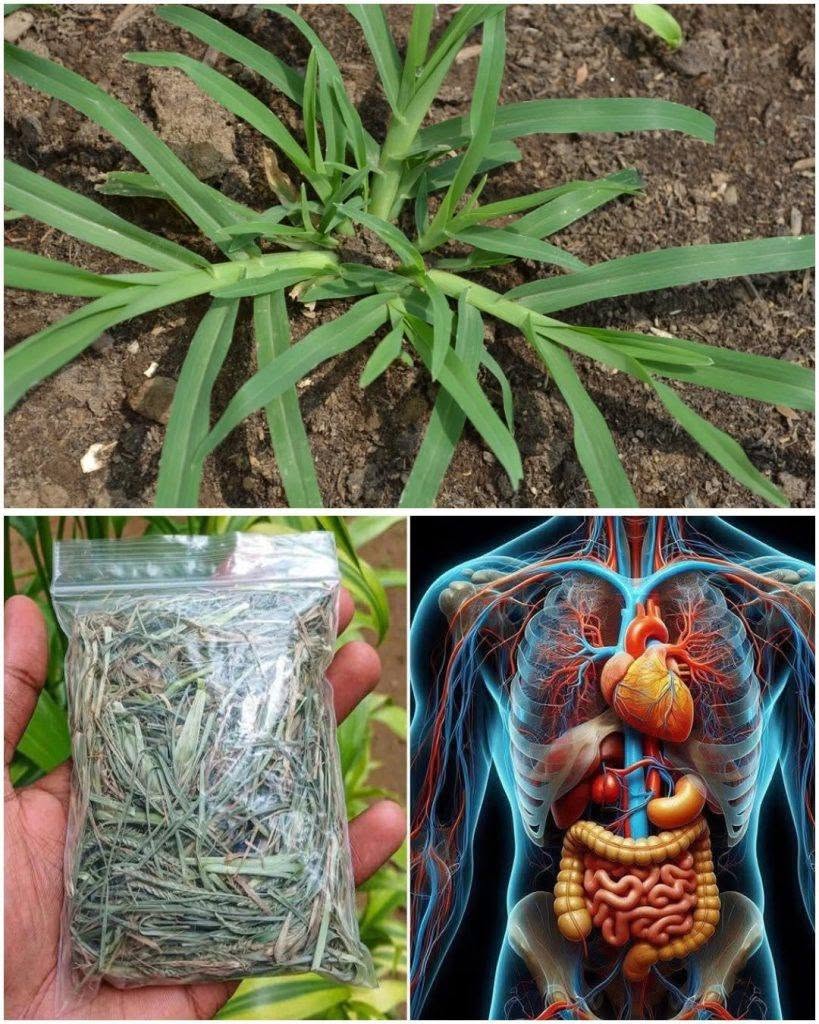
This mysterious plant may be growing all around you without getting much attention. Discover why common wild plants can be valuable, how to identify them safely, and what to know before using them.
Maybe You’ve Seen It Growing Everywhere, but You Never Knew Its Power…
Have you ever walked past a plant growing beside a sidewalk, in a garden, or along an empty patch of land and wondered what it was?
Some of the plants we casually dismiss as weeds have long histories of culinary, traditional, or practical use. What looks like an ordinary green plant may actually be something people have used for generations.
But there’s an important lesson before reaching for any wild plant: identification comes first.
Not Every Wild Plant Is Safe
One of the biggest mistakes people make is assuming that a plant is harmless simply because it grows everywhere.
Several edible and medicinal plants have look-alikes that can be poisonous. A photograph alone may not always be enough to identify a species reliably.
Before consuming any wild plant, confirm its:
- Exact species
- Leaves and leaf arrangement
- Flowers
- Stem characteristics
- Growing environment
- Maturity
- Potential toxic look-alikes
If you’re uncertain, don’t eat it.
Why Some “Weeds” Are Interesting
Many common plants contain naturally occurring compounds that have attracted scientific or traditional interest. Some are edible and can provide nutrients, while others have been used traditionally in teas, poultices, or herbal preparations.
That doesn’t mean every traditional claim has been scientifically proven.
A plant can be nutritious without being a medicine, and traditional use doesn’t automatically establish that it can treat or cure a disease.
The Forgotten Value of Backyard Plants
Historically, people often had a much closer relationship with plants growing around their homes.
Before modern supermarkets, families gathered certain wild greens and herbs for cooking. Some plants were valued because they were readily available during seasons when cultivated vegetables were scarce.
Today, those same plants may simply be labeled “weeds.”
A Word About Herbal Remedies
If a plant is promoted as a treatment for diabetes, high blood pressure, cancer, infections, or another medical condition, be cautious.
Herbal products can contain biologically active substances and may interact with prescription medications. “Natural” isn’t synonymous with “risk-free.”
Pregnant or breastfeeding people, children, older adults, and anyone taking medication should be especially careful about consuming unfamiliar herbs.
Never Harvest From Contaminated Areas
Even correctly identified plants can be unsafe if they’ve grown in places exposed to:
- Pesticides or herbicides
- Roadside pollution
- Animal waste
- Industrial contaminants
- Chemically treated lawns
If you’re interested in edible wild plants, use a reliable field guide or consult a knowledgeable local expert.
The Real “Power” May Be Knowing What You’re Looking At
The fascinating thing about common plants isn’t necessarily that they possess miraculous healing powers.
It’s that something we overlook every day can have a completely different story once we learn what it actually is.
A plant growing between paving stones might be edible. Another may have traditional uses. And another may be toxic.
The difference comes down to identification.
So before you pick that mysterious plant growing everywhere, find out exactly what it is. Its story may be fascinating—but safety should always come first.