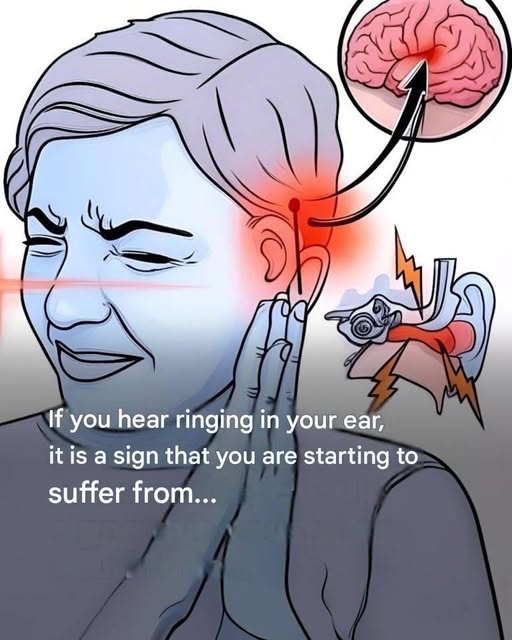
Ringing in your ears, known as tinnitus, can have many possible causes. Learn what may trigger it, when it could be a warning sign, and when to seek medical advice.
That strange ringing, buzzing, humming, or hissing sound you hear even when everything around you is completely quiet can be surprisingly unsettling. For some people, it lasts only a few seconds. For others, it may come and go throughout the day or become a persistent background noise.
This sensation is commonly known as tinnitus. Importantly, tinnitus is not a disease itself—it is a symptom that can have several different causes.
What Causes That Ringing Sound?
One of the most common explanations is exposure to loud sounds. Concerts, headphones turned up too loudly, heavy machinery, fireworks, or even repeated exposure to traffic noise can temporarily or permanently affect the delicate structures involved in hearing.
Other possible contributors include:
- Earwax buildup
- Age-related changes in hearing
- Ear infections or congestion
- Certain medications
- Head or neck injuries
- Jaw problems, including TMJ disorders
- Changes in blood flow near the ear
- Underlying hearing loss
Sometimes, however, no single cause can be identified.
Why Does It Seem Louder at Night?
Many people notice tinnitus most when they’re trying to fall asleep. During the day, conversations, traffic, television, and other sounds provide background noise that can mask the ringing.
At night, when the environment becomes quiet, the sound may seem much more noticeable.
Stress can also make tinnitus feel more intrusive. The more closely you focus on the sound, the harder it may become to ignore.
Is Ringing in Your Ears Dangerous?
Usually, tinnitus isn’t a sign of something immediately dangerous. However, certain patterns deserve medical attention.
You should speak with a healthcare professional if the ringing is persistent, worsening, affecting your sleep or concentration, or accompanied by noticeable hearing changes.
Seek prompt medical evaluation if tinnitus:
- Suddenly appears with hearing loss
- Occurs after a significant head injury
- Is present only in one ear and persists
- Sounds like it is synchronized with your heartbeat
- Comes with severe dizziness or neurological symptoms
What Can You Do About It?
The right approach depends on the underlying cause. If earwax, an infection, medication, or hearing loss is contributing to the problem, addressing that issue may help.
For occasional tinnitus, protecting your ears from excessive noise is important. At bedtime, gentle background sound—such as a fan, quiet music, or a white-noise machine—may make the ringing less noticeable.
Managing stress and maintaining healthy sleep habits can also help reduce how disruptive tinnitus feels.
The Bottom Line
That mysterious ringing in your ears isn’t necessarily coming from an outside source. Tinnitus is the perception of sound without a corresponding external sound, and it can have many possible explanations.
If the ringing is new, persistent, one-sided, pulsating, or accompanied by hearing loss or other concerning symptoms, it’s worth getting evaluated rather than simply ignoring it.