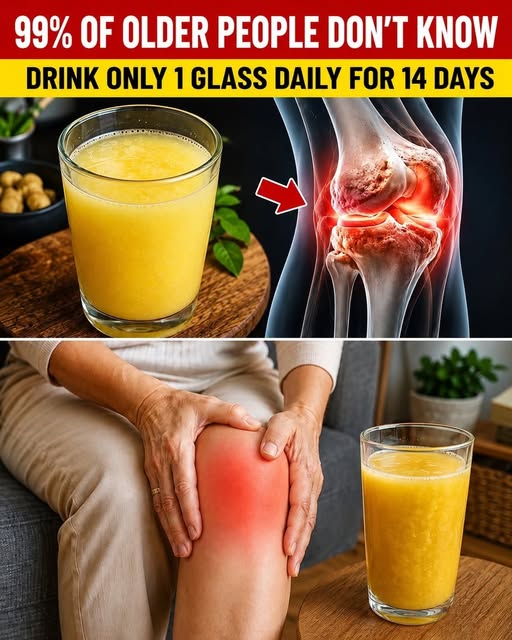
Knee pain after 60 is common, but no single drink can cure arthritis. Learn which beverages may support healthy joints and what evidence-based habits can actually help reduce knee pain and stiffness.
Knee Pain After 60? Discover the Drink Everyone’s Talking About
Knee pain can become more noticeable with age. Stiffness when getting out of bed, discomfort while climbing stairs, or aching after a long walk can make everyday activities more difficult.
That is why you may have seen claims about a particular “drink for knee pain” spreading online. Some recipes suggest ingredients such as ginger, turmeric, lemon, or other foods with anti-inflammatory properties.
But there is an important distinction between a nutritious drink that may support overall health and a drink that can actually treat arthritis or repair damaged cartilage.
There is currently no drink proven to reverse osteoarthritis of the knee. Evidence-based guidelines place much greater emphasis on exercise, weight management when appropriate, self-management, and other clinically supported treatments.
Why Knee Pain Becomes More Common With Age
Osteoarthritis is one of the most common causes of knee pain in older adults. It involves changes throughout the joint, including cartilage deterioration, bone remodeling and inflammation, which can contribute to pain, stiffness and reduced movement.
Age is only one factor. Previous injuries, excess body weight, muscle weakness, repetitive stress and other health conditions can also influence knee symptoms.
The good news is that getting older does not mean you have to accept constant knee pain as unavoidable.
What About the Popular Drink?
A common wellness approach is to prepare a warm drink containing ingredients such as ginger, turmeric, lemon and water.
These foods contain plant compounds that are being studied for their potential effects on inflammation and general health. However, evidence about whether a homemade drink can meaningfully reduce osteoarthritis pain is limited.
So it is reasonable to enjoy such a drink as part of a healthy diet—but it should not be presented as a cure for arthritis.
A Simple Warm Drink
If you enjoy ginger and turmeric, you can make a simple caffeine-free drink:
Ingredients:
- 1 cup warm water
- ½ teaspoon grated fresh ginger
- ¼ teaspoon turmeric
- A squeeze of lemon
- Optional: a small amount of honey
Mix the ingredients and drink while warm.
This can be a pleasant alternative to sugary beverages, but remember that comfort and nutrition are not the same thing as medical treatment.
The Bigger Secret May Not Be a Drink
For people with knee osteoarthritis, research-supported lifestyle strategies are much more important than relying on a single beverage.
The American College of Rheumatology and Arthritis Foundation strongly recommend exercise for knee osteoarthritis. Activities can include walking, strengthening exercises, cycling, aquatic exercise and other forms of movement suited to the individual’s abilities.
Exercise may sound surprising when your knees hurt, but appropriate movement can help strengthen the muscles surrounding the knee and improve function.
The key is to start at a comfortable level and choose activities that are appropriate for your condition.
Weight Can Also Affect Knee Symptoms
For people with knee osteoarthritis who are overweight or obese, weight management can make an important difference.
Clinical guidelines strongly recommend weight loss for people with knee or hip osteoarthritis who are overweight or obese. Even relatively modest weight loss can be associated with improvements in symptoms and function, with greater benefits often seen with greater weight loss.
This does not mean someone needs to follow an extreme diet.
Small, sustainable changes—such as reducing sugary drinks, increasing vegetables and fiber, choosing appropriate portions and becoming more physically active—can be a better long-term strategy.
Gentle Movement Can Make a Difference
If knee pain makes exercise intimidating, start gently.
Depending on your condition, options may include:
- Short, comfortable walks
- Chair exercises
- Gentle leg strengthening
- Water-based exercise
- Stationary cycling
- Balance exercises
- Tai chi
Tai chi is actually strongly recommended in the ACR/Arthritis Foundation guideline for people with knee and hip osteoarthritis.
The goal isn’t to push through severe pain. It is to gradually improve strength, mobility and confidence.
Don’t Ignore Persistent Knee Pain
Not every knee problem is osteoarthritis.
Knee pain can also result from injuries, bursitis, tendon problems, gout, inflammatory arthritis and other conditions.
See a healthcare professional if pain is severe, persistent, worsening, or accompanied by significant swelling, redness, warmth, instability, fever, or an inability to put weight on the leg.
A proper diagnosis matters because the best treatment depends on the cause.
The Bottom Line
There is no magic drink that can rebuild worn cartilage or cure knee arthritis overnight.
A warm ginger-and-turmeric drink may be an enjoyable addition to a balanced diet, but the strongest evidence for managing knee osteoarthritis points toward regular appropriate exercise, weight management when needed, self-management and evidence-based medical treatment rather than a single beverage.
So if you’re over 60 and experiencing knee pain, don’t feel that your only option is to search for a miracle recipe.
Take care of your whole body, keep moving within your abilities, maintain a healthy weight, and talk with a healthcare professional if your symptoms persist.
Sometimes the most powerful “joint remedy” isn’t something you drink—it’s a consistent combination of healthy habits and appropriate treatment.