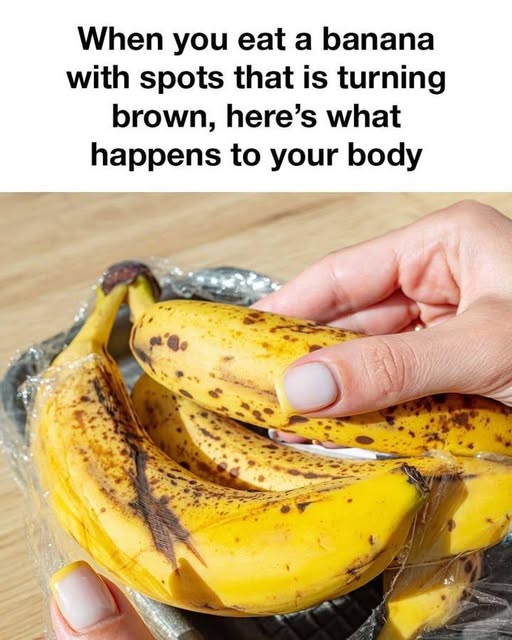
Discover how bananas change from green to yellow and brown-spotted as they ripen, including changes in starch, natural sugars, digestion, blood sugar, and nutritional benefits.
Bananas are one of the most popular fruits around the world, and for good reason. They are affordable, naturally sweet, easy to carry, and packed with important nutrients. But there is something interesting about bananas that many people overlook: a banana does not have exactly the same nutritional characteristics at every stage of ripeness.
A green banana, a bright yellow banana, and a banana covered in brown spots can taste completely different. These changes are not simply cosmetic. As the fruit ripens, enzymes gradually transform its internal composition, particularly the carbohydrates.
Understanding these changes can help you choose the stage of ripeness that best suits your taste, digestion, and dietary needs.
What Happens When a Banana Ripens?
Bananas begin their lives with a green peel and relatively firm flesh. During ripening, several natural processes take place.
The green pigment called chlorophyll gradually breaks down, causing the peel to become yellow. At the same time, enzymes break down starches stored inside the fruit and convert some of them into simpler sugars.
This produces the familiar changes in a ripe banana:
- The peel changes from green to yellow.
- The fruit becomes softer.
- The flavor becomes sweeter.
- The amount of readily digestible starch changes.
- The fruit develops its characteristic aroma.
- Brown spots eventually appear as ripening progresses.
These changes explain why a green banana and a heavily spotted banana can taste so different despite being the same fruit.
Green Bananas Contain More Resistant Starch
Green or unripe bananas contain considerably more starch than ripe bananas. A portion of this starch is known as resistant starch.
Resistant starch behaves differently from ordinary digestible starch. It passes through the small intestine largely undigested and can reach the large intestine, where gut microorganisms can ferment it.
This is one reason green bananas are sometimes discussed in relation to digestive and gut health.
Resistant starch can function somewhat like dietary fiber and may contribute to feelings of fullness. However, individual digestive responses vary, and eating large amounts of resistant starch may cause gas or bloating in some people.
Green Bananas May Be Less Sweet
If you have ever bitten into a very green banana, you probably noticed that it is firmer, less sweet, and sometimes slightly astringent.
This is largely because much of the carbohydrate is still present as starch rather than simple sugars.
As ripening progresses, enzymes gradually break down the starch, producing more sugars and changing the taste and texture.
This is why a banana that was difficult to eat when green can become soft and naturally sweet several days later.
Yellow Bananas Have a Different Carbohydrate Profile
A yellow banana is generally softer and sweeter than a green one.
By this stage, much of the starch has been converted into simpler sugars. The fruit is therefore easier to chew and digest for many people.
Yellow bananas still provide useful nutrients, including:
- Potassium
- Vitamin B6
- Vitamin C
- Manganese
- Dietary fiber
- Carbohydrates for energy
The exact nutritional content depends on the banana variety, size, growing conditions, and degree of ripeness.
What Do Brown Spots Mean?
Brown spots are one of the most recognizable signs that a banana is becoming very ripe.
Many people mistakenly assume that brown spots mean the banana has lost all of its nutritional value. That is not true.
Brown spotting generally indicates that the fruit has continued to ripen. The peel develops darker areas while the flesh becomes increasingly soft and sweet.
A banana with a few brown spots can still be a nutritious food.
In fact, very ripe bananas are often ideal for recipes because their natural sweetness allows you to reduce the amount of added sugar in foods such as banana bread, pancakes, oatmeal, and smoothies.
Does a Ripe Banana Have More Sugar?
Ripening changes the form of the carbohydrate in a banana.
As starch is broken down, more of the carbohydrate becomes simple sugars such as glucose, fructose, and sucrose. This makes ripe bananas taste sweeter.
However, it is important to distinguish between naturally occurring sugar in whole fruit and added sugar in processed foods.
A ripe banana still contains fiber, water, vitamins, and minerals. Eating a whole banana is very different from consuming a food or drink containing large amounts of added sugar.
What About Blood Sugar?
Because ripe bananas contain more readily digestible sugars and less resistant starch than green bananas, their effect on blood glucose can differ.
However, the idea that green bananas are automatically “safe” for blood sugar while ripe bananas are “bad” is an oversimplification.
Blood glucose response depends on many factors, including:
- Portion size
- Individual metabolism
- Overall meal composition
- Physical activity
- The banana’s size and ripeness
- Whether the banana is eaten alone or with other foods
For someone managing diabetes, portion size and overall carbohydrate intake are generally more important than simply avoiding bananas because they have become ripe.
Bananas and Digestive Health
Bananas can be part of a healthy diet at different stages of ripeness, but their effects on digestion can vary.
Green bananas provide more resistant starch, which can be fermented by gut bacteria. This may support the production of beneficial short-chain fatty acids.
Ripe bananas contain less resistant starch and are generally softer and easier to digest.
Some people find ripe bananas soothing when they have an upset stomach, while others may experience bloating or digestive discomfort from bananas.
There is no single response that applies to everyone.
Bananas Are a Good Source of Potassium
One of the best-known nutrients in bananas is potassium.
Potassium is an essential mineral that helps support:
- Normal muscle contraction
- Nerve function
- Fluid balance
- Normal heart function
- Healthy blood pressure regulation
However, bananas are not the only source of potassium. Potatoes, beans, lentils, leafy greens, yogurt, avocados, and several other foods also contribute potassium to the diet.
People with kidney disease or certain medical conditions may need to monitor potassium intake, so they should follow individualized medical advice rather than assuming that more potassium is always better.
Vitamin B6 in Bananas
Bananas also provide vitamin B6, a nutrient involved in numerous processes in the body.
Vitamin B6 helps the body metabolize proteins, carbohydrates, and fats and contributes to normal nervous-system and immune function.
A banana is not a miracle source of vitamin B6, but it can contribute to overall dietary intake when eaten as part of a varied diet.
Why Ripe Bananas Are Popular Before Exercise
Bananas are often used as a convenient pre- or post-workout snack because they provide carbohydrates along with potassium and other nutrients.
A ripe banana can provide relatively quick energy because some of its carbohydrates are readily digestible.
For longer-lasting fullness, it can be combined with a protein-rich food such as Greek yogurt, cottage cheese, or a small amount of nut butter.
Are Brown Bananas Healthier Than Green Bananas?
There is no simple answer.
A brown-spotted banana is not necessarily healthier than a green banana, and a green banana is not automatically healthier than a ripe one.
They simply have different characteristics.
Green bananas contain more resistant starch, while ripe bananas contain more readily available sugars and have a softer texture.
Therefore, the “best” banana depends on what you are looking for.
If you prefer a firmer texture and want more resistant starch, a less-ripe banana may be appealing.
If you want sweetness and easy digestion, a ripe yellow or brown-spotted banana may be preferable.
Can You Eat a Banana With Brown Spots?
Yes. Brown spots alone do not mean that a banana is spoiled.
A banana with brown or black areas on the peel can still be perfectly edible if the inside looks and smells normal.
However, discard the fruit if you notice signs of spoilage such as:
- Mold
- A foul or fermented smell
- Liquid leaking from the fruit
- Unusual discoloration of the flesh
- A slimy or severely deteriorated texture
Brown spots caused by normal ripening are different from mold or decay.
How to Store Bananas
If your bananas are ripening too quickly, storing them in a cooler location can slow the process.
Once bananas have reached the ripeness you prefer, refrigeration can slow further ripening of the flesh, although the peel may become darker.
For very ripe bananas that you are not going to eat immediately, peeling and freezing them can be useful. Frozen bananas work particularly well in smoothies and homemade desserts.
The Bottom Line
Bananas naturally change as they ripen, and those changes affect their texture, sweetness, and carbohydrate composition.
Green bananas contain more resistant starch. Yellow bananas become sweeter and softer as starch is converted into sugars. Brown-spotted bananas are further along in the ripening process but can still be nutritious and perfectly safe to eat when properly stored.
Rather than worrying about whether a banana is green, yellow, or spotted, consider your individual dietary needs and preferences.
For most people, bananas can be a nutritious addition to a balanced diet at almost any stage of ripeness. The important thing is to enjoy them as part of an overall eating pattern that includes a variety of fruits, vegetables, whole grains, protein sources, and healthy fats.