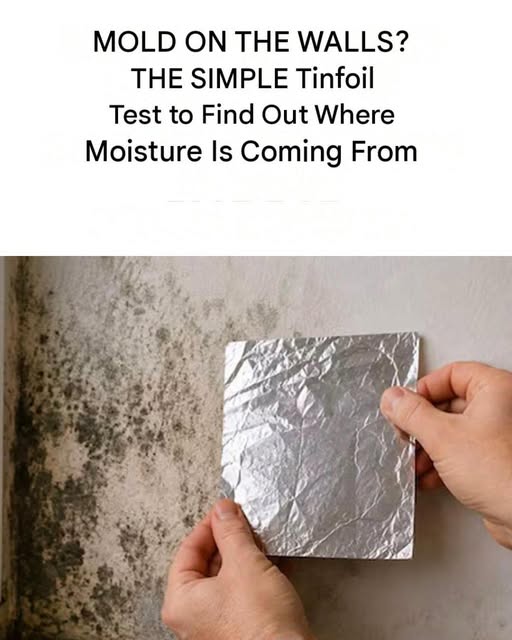
Discover how to use a simple paper towel test to check whether wall moisture may be caused by condensation or dampness coming from inside the wall. Learn how to perform the test, interpret the results, and when to call a professional.
Mold appearing on your walls is more than just an unpleasant cosmetic problem. Those dark or greenish patches may be a sign that excess moisture is building up somewhere in your home. Before repainting or repeatedly cleaning the affected area, it is important to understand where the moisture may be coming from.
One simple household method is the paper test. It cannot replace a professional moisture inspection, but it can provide a useful first indication of whether moisture is mainly present on the room side of the wall or may be coming from the wall itself.
Why Does Mold Appear on Walls?
Mold needs moisture to grow. When a wall stays damp for a prolonged period, mold can develop and spread.
Common causes include:
- Condensation caused by high indoor humidity
- Poor ventilation in bathrooms, kitchens, or bedrooms
- Cold exterior walls
- Water leaks from pipes
- Roof or window leaks
- Rainwater penetrating an exterior wall
- Rising damp from the ground
- Poor insulation
- Furniture placed tightly against a cold wall
The location of the mold can sometimes provide clues. Mold around windows and in corners may be associated with condensation, while persistent damp patches, peeling paint, or swollen plaster can indicate a moisture problem within the wall.
The Simple Paper Test
The test is easy and requires only a piece of absorbent paper or a paper towel and some tape.
What You Need
- A clean, dry paper towel or absorbent sheet
- Adhesive tape
- A dry cloth
- A pen or marker
- A small area of affected wall
Choose a location where you have noticed dampness, discoloration, peeling paint, or mold.
How to Perform the Test
1. Choose the Problem Area
Select a suspicious area of the wall, preferably where moisture or mold is clearly visible.
If possible, choose a small section rather than covering the entire wall.
2. Dry the Surface
Gently wipe the surface with a dry cloth.
Do not soak the wall or apply cleaning products immediately before performing the test because this could affect the result.
3. Place the Paper Against the Wall
Press a piece of absorbent paper firmly against the wall.
Use tape around the edges to keep it in place. The goal is to make good contact between the paper and the wall.
4. Leave It in Place
Leave the paper attached for approximately 12–24 hours.
Avoid touching or moving it during this period.
5. Examine the Paper
After the waiting period, carefully remove the paper and inspect it.
Pay attention to whether it is damp and, if possible, which side feels wetter.
How to Interpret the Results
Paper Wet on the Room-Facing Side
If moisture appears mainly on the side exposed to the room, this may suggest that condensation is contributing to the problem.
Condensation happens when warm, humid indoor air comes into contact with a colder surface. This is particularly common during cold weather.
Typical signs include:
- Mold around windows
- Mold in corners
- Dark spots behind furniture
- Condensation on glass
- A musty smell
- Higher indoor humidity
Improving ventilation, reducing indoor humidity, and keeping cold surfaces warmer can help reduce condensation.
Paper Wet on the Wall-Facing Side
If the side touching the wall becomes noticeably damp, it may suggest that moisture is present at the wall surface or is coming from within the wall.
Possible causes include:
- A plumbing leak
- Rainwater infiltration
- Roof problems
- Water entering around windows
- Rising damp
- Damaged exterior masonry
However, the paper test alone cannot identify the exact source.
If the wall repeatedly becomes wet, professional inspection may be necessary.
Paper Remains Dry
If the paper stays dry after 12–24 hours, it means that no significant moisture was transferred to the paper during the test period.
But this does not prove that the wall has no moisture problem.
Moisture can be intermittent, hidden deeper inside the wall, or dependent on weather conditions.
Another Useful Clue: Where the Mold Appears
The location of the mold can also provide useful clues.
Around Windows
Mold around windows is frequently associated with condensation, especially when indoor humidity is high.
In Corners
Cold corners have less air circulation and can become condensation points.
Behind Furniture
Large wardrobes and cabinets placed tightly against exterior walls can restrict airflow and create a colder, more humid area.
Leaving a small gap between furniture and the wall can improve air circulation.
Near the Ceiling
Mold near the ceiling may sometimes be associated with condensation, roof problems, or water infiltration from above.
Near the Floor
Mold and persistent dampness near the lower part of a wall may require investigation for plumbing problems or rising damp, particularly in older buildings.
Don’t Forget About Indoor Humidity
A digital hygrometer can be more useful than guessing how humid your home is.
Generally, keeping indoor relative humidity around 30–50% is a reasonable target for many homes. If humidity stays consistently high, condensation and mold become more likely.
Simple ways to reduce indoor humidity include:
- Opening windows when appropriate
- Using kitchen and bathroom exhaust fans
- Drying laundry outdoors or in a well-ventilated area
- Using a dehumidifier when necessary
- Avoiding prolonged indoor steam
- Allowing air to circulate behind furniture
What Should You Do If You Find Mold?
Small areas of surface mold can sometimes be cleaned safely, depending on the material and circumstances. Wear appropriate protection and avoid practices that spread mold spores around the room.
More importantly, fix the moisture source.
Cleaning mold without addressing the underlying moisture problem often results in the mold returning.
If the affected area is large, keeps returning, has a strong musty odor, or the wall appears structurally damaged, consider getting professional advice.
When Should You Call a Professional?
A professional inspection is especially worthwhile when:
- The wall feels persistently damp
- Paint keeps bubbling or peeling
- Plaster is crumbling
- Mold repeatedly returns after cleaning
- There is a strong musty odor
- You suspect a hidden plumbing leak
- Dampness increases after rainfall
- The problem affects a large section of the wall
- You notice water stains spreading over time
A professional can use moisture meters and other diagnostic methods to determine whether the problem is condensation, plumbing, infiltration, rising damp, or another issue.
Final Thoughts
The simple paper test can be a quick preliminary check when you are trying to understand a damp or moldy wall. It may provide clues about whether moisture is accumulating at the surface, but it should not be considered a scientific diagnosis.
The most important step is to identify and correct the source of moisture. Otherwise, even a freshly cleaned and painted wall may develop mold again.
Remember: mold is usually a symptom of a moisture problem. Treating the mold without treating the moisture is rarely a long-term solution.