Learn how lifestyle changes can help manage high blood pressure, why taking prescribed medication consistently matters, and practical ways to remember your daily doses safely.
How Lifestyle Changes and Medication Can Help Keep Blood Pressure Under Control
High blood pressure, also called hypertension, often develops without obvious symptoms. That is why regular blood pressure checks and consistent treatment are important, even when you feel completely well.
For some people, healthier lifestyle habits may significantly improve blood pressure. Others may need medication as well. In many cases, the best approach is a combination of both.
Start With Healthy Lifestyle Changes
Small, consistent changes can make a meaningful difference.
Eat a Heart-Healthy Diet
Focus on vegetables, fruits, whole grains, beans, nuts, and other nutrient-rich foods. Limiting excess sodium and highly processed foods can also support healthier blood pressure.
Pay attention to portion sizes and choose foods lower in saturated fat and added sugars when possible.
Stay Physically Active
Regular physical activity can help support healthy blood pressure and overall cardiovascular health.
Walking, swimming, cycling, or other activities you enjoy can be good options. If you’re currently inactive or have health concerns, talk with your healthcare professional about an appropriate level of exercise.
Maintain a Healthy Weight
If you have overweight or obesity, even modest weight loss may help improve blood pressure.
Rather than relying on extreme diets, focus on sustainable eating habits and regular activity.
Limit Alcohol and Avoid Tobacco
Excessive alcohol consumption can raise blood pressure. Smoking and tobacco use also increase cardiovascular risk.
Avoiding tobacco is one of the most important steps you can take for your overall heart and blood-vessel health.
Get Enough Sleep and Manage Stress
Poor sleep and chronic stress can make healthy routines more difficult and may contribute to cardiovascular risk.
Aim for a consistent sleep schedule and find healthy ways to manage stress, such as walking, relaxation exercises, hobbies, or spending time with people you enjoy.
When Medication Is Needed
Lifestyle changes are important, but they aren’t always enough.
Depending on your blood pressure readings and overall cardiovascular risk, your doctor may prescribe medication to help lower your blood pressure and reduce the risk of complications such as stroke, heart attack, kidney disease, and other cardiovascular problems.
There are several types of blood-pressure medicines, and the right choice depends on your individual circumstances.
Take Your Medication Exactly as Prescribed
If you’ve been prescribed blood-pressure medication, don’t reduce the dose, skip days, or stop taking it on your own, even if your readings improve or you feel perfectly healthy.
Blood pressure can rise again without obvious symptoms.
If you believe your medication is causing side effects, or you think your dose is too high or too low, contact your doctor or pharmacist rather than changing it yourself.
What If You Keep Forgetting Your Pills?
Medication schedules can be difficult to remember, especially when you’re taking several medicines.
Try creating a routine around something you already do every day, such as eating breakfast or brushing your teeth.
Other helpful tools include:
- Daily pill organizers
- Phone alarms
- Medication reminder apps
- Smartwatch reminders
- Written medication schedules
- Automatic pharmacy refill services
- Help from a family member or caregiver
A pillbox can be particularly useful because you can quickly see whether you’ve already taken your medication.
If you accidentally miss a dose, don’t automatically take an extra dose. Check the instructions for your specific medication or ask your pharmacist what you should do.
Monitor Your Blood Pressure
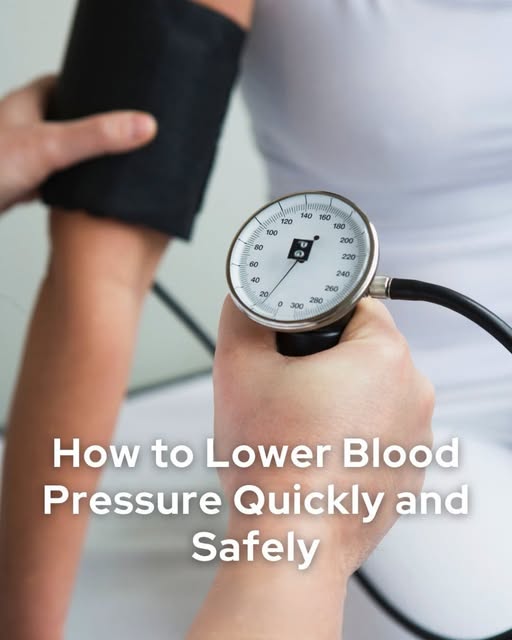
If your healthcare professional recommends monitoring your blood pressure at home, keep a record of your readings.
Try to measure it under consistent conditions and follow the technique recommended by your healthcare professional.
Don’t change your medication based on a single unusually high or low reading unless you’ve been specifically instructed to do so.
When High Blood Pressure Is an Emergency
Most high blood pressure doesn’t cause noticeable symptoms. However, very high blood pressure accompanied by symptoms such as chest pain, difficulty breathing, severe headache, confusion, weakness, numbness, vision changes, or difficulty speaking requires urgent medical attention.
If you think you’re experiencing a stroke or heart attack, seek emergency medical help immediately.
The Bottom Line
Managing blood pressure is usually a long-term process rather than something that happens overnight.
A heart-healthy diet, regular physical activity, maintaining a healthy weight, avoiding tobacco, moderating alcohol, getting adequate sleep, and managing stress can all contribute to better cardiovascular health.
And if medication has been prescribed, take it exactly as directed and don’t stop or change your dose without speaking with your healthcare professional.
With the right combination of lifestyle habits, monitoring, and treatment, many people can successfully keep their blood pressure under control.