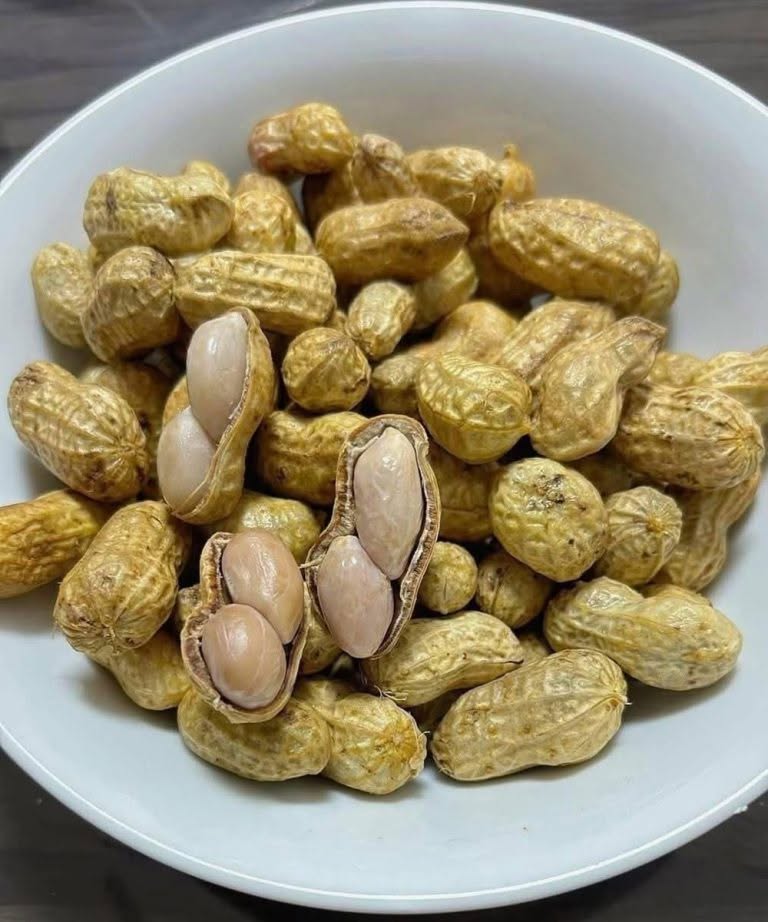
Peanuts are nutritious, but eating them can cause side effects in some people. Learn about five potential concerns, including allergies, digestive issues, calories, and more.
Peanuts are a popular snack packed with protein, healthy fats, fiber, vitamins, minerals, and other beneficial plant compounds. For most people, moderate peanut consumption can fit comfortably into a balanced diet.
However, peanuts aren’t suitable for everyone. Certain people can experience significant reactions, particularly those with peanut allergies. Even without an allergy, eating large portions or choosing heavily salted or flavored peanuts may cause problems.
Here are five potential side effects of eating peanuts that are worth knowing about.
1. Allergic Reactions Can Be Serious
The most important concern is peanut allergy.
For people with a peanut allergy, even a small amount can potentially trigger symptoms such as:
- Hives or itching
- Swelling of the lips, tongue, or throat
- Vomiting or stomach pain
- Coughing or wheezing
- Difficulty breathing
- Dizziness or fainting
A severe allergic reaction can become anaphylaxis, which is a medical emergency.
If someone develops difficulty breathing, throat swelling, faintness, or other signs of a severe allergic reaction after eating peanuts, seek emergency medical care immediately.
2. They May Cause Digestive Discomfort
Peanuts contain fiber and various carbohydrates that some people may have difficulty digesting.
Eating a large quantity at once may lead to:
- Gas
- Bloating
- Abdominal discomfort
- Changes in bowel movements
People with sensitive digestive systems may tolerate smaller portions better.
Tip: Start with a modest serving and pay attention to how your body responds.
3. Peanuts Are Calorie-Dense
Peanuts are nutritious, but they’re also relatively high in calories because they contain a considerable amount of fat.
That fat is predominantly unsaturated, which can be beneficial, but calories can still add up quickly when eating large handfuls throughout the day.
If you’re trying to manage your weight, portion size matters.
A small handful can be a more practical serving than eating directly from a large container.
4. Salted Peanuts Can Add a Lot of Sodium
Plain peanuts and heavily salted peanuts are very different nutritionally.
Salted varieties can contribute significant amounts of sodium, particularly if you eat them frequently or consume several servings.
Excessive sodium intake can contribute to high blood pressure in people who are salt-sensitive.
Better option: Choose unsalted or lightly salted peanuts and check the nutrition label.
5. Some Peanut Products May Contain Added Ingredients
Peanut butter, flavored peanuts, candy-coated peanuts, and packaged peanut snacks can contain more than just peanuts.
Depending on the product, you may find:
- Added sugar
- Extra salt
- Added oils
- Sweeteners
- Chocolate or other high-calorie ingredients
These additions can substantially change the nutritional profile.
When possible, choose products with a simple ingredient list, such as peanuts and perhaps a small amount of salt.
What About Aflatoxins?
Aflatoxins are toxins produced by certain molds that can contaminate crops such as peanuts when they are improperly grown, stored, or handled.
Food safety systems and proper storage help reduce exposure, but this is one reason to avoid eating peanuts that look moldy, smell unusual, or have been stored in poor conditions.
Don’t eat visibly spoiled nuts.
Who Should Be Especially Careful?
Extra caution may be appropriate for people who:
- Have a diagnosed peanut allergy
- Have previously experienced a reaction to peanuts
- Have difficulty digesting large amounts of legumes or nuts
- Need to closely monitor sodium intake
- Are managing calorie intake
Having one of these concerns doesn’t automatically mean peanuts must be eliminated. Individual circumstances matter.
How to Eat Peanuts More Safely
For people who tolerate peanuts, a few simple habits can make them easier to incorporate into a healthy diet:
Choose plain peanuts: Unsalted or lightly salted varieties generally have fewer unnecessary additions.
Watch portions: Peanuts are nutritious but calorie-dense.
Read labels: Look for added sugars, sodium, and additional oils in peanut butter and flavored products.
Store them properly: Keep peanuts in a cool, dry place and discard any that show signs of spoilage.
Know your allergy status: Anyone with a known peanut allergy should avoid peanuts according to their healthcare professional’s advice.
Final Takeaway
Peanuts are not inherently unhealthy. In fact, they provide protein, fiber, unsaturated fats, and several important nutrients.
The main concerns are individual allergies, excessive portions, digestive intolerance, high-sodium varieties, and highly processed peanut products.
For most people who tolerate them, moderate portions of plain or minimally processed peanuts can be part of a balanced diet.