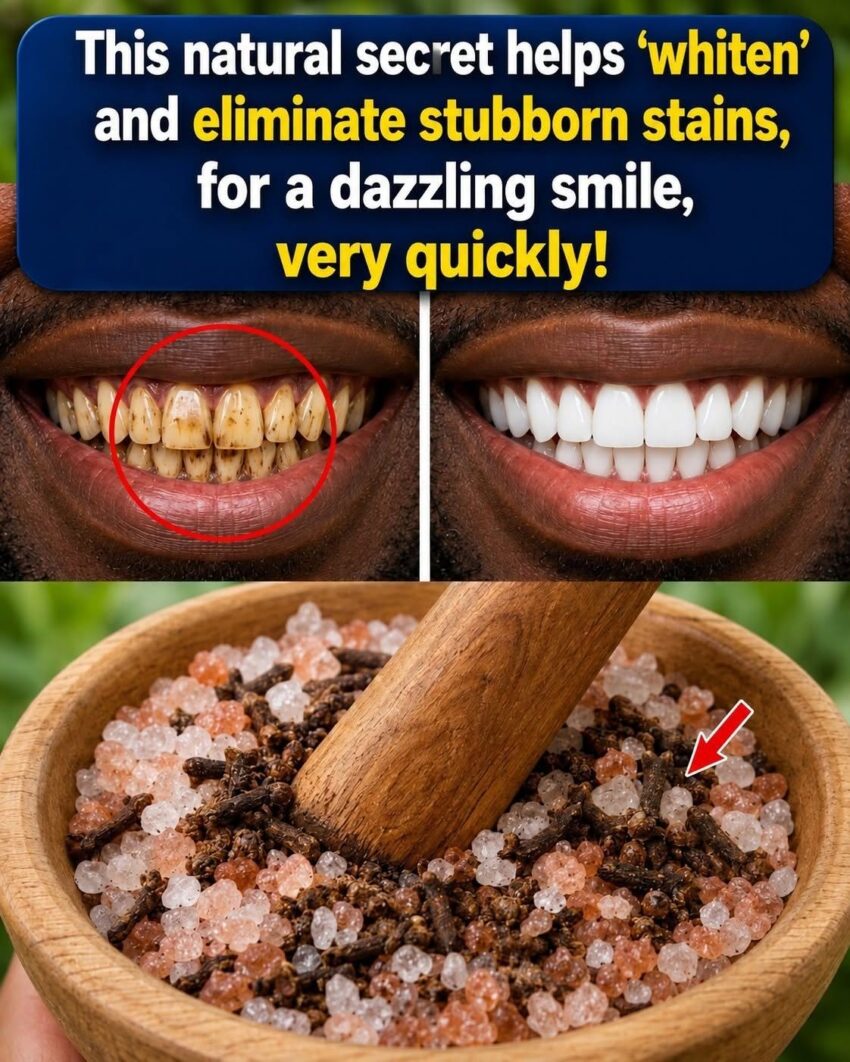
Cloves have been used in traditional oral-care practices for centuries, and modern research has taken an interest in one of their major compounds: eugenol. This naturally occurring substance has antimicrobial and soothing properties, which may help explain why clove oil and clove-based preparations have a long history in dentistry.
But can chewing cloves or using clove preparations actually remove plaque, dissolve tartar, or stop bleeding gums?
Can cloves remove plaque, tartar, or stop bleeding gums? Learn what eugenol in cloves may do for oral health and why cloves can’t replace brushing or dental care.
What Makes Cloves Interesting for Oral Health?
Cloves contain a concentrated aromatic compound called eugenol. Eugenol has demonstrated antimicrobial and anti-inflammatory activity in laboratory and dental applications.
This is one reason clove-derived ingredients have historically been used in some dental products and procedures.
However, laboratory activity does not automatically mean that placing a whole clove in your mouth will produce the same effect. The amount, concentration, preparation, and length of exposure all matter.
Can Cloves Remove Dental Plaque?
Plaque is a sticky film of bacteria that continuously develops on teeth.
Regular brushing with fluoride toothpaste and cleaning between the teeth are the most reliable ways to physically remove plaque.
Cloves may contain compounds with antibacterial activity, but they do not replace mechanical plaque removal.
If plaque remains on the teeth for too long, it can contribute to gum inflammation and eventually harden into tartar.
What About Tartar?
This is where the viral “clove remedy” claims often go too far.
Tartar, also called dental calculus, is hardened mineralized plaque. Once it has formed firmly on the teeth, it generally cannot be safely removed with cloves, mouth rinses, or household ingredients.
A dental professional can remove calculus using appropriate instruments.
Trying to scrape tartar away yourself can potentially damage the gums or tooth surfaces.
Can Cloves Help Bleeding Gums?
Bleeding gums are commonly associated with gingivitis, which is inflammation of the gums caused largely by plaque buildup.
Because eugenol has antimicrobial and anti-inflammatory properties, clove-based preparations may have some potential as a supportive oral-care ingredient. However, evidence is not strong enough to claim that cloves alone will cure bleeding gums.
If your gums bleed repeatedly when brushing or flossing, the underlying cause should be addressed rather than simply masking the symptom.
Why Are Your Gums Bleeding?
Bleeding gums can have several possible causes, including:
- Plaque buildup
- Gingivitis
- Periodontal disease
- Brushing too aggressively
- Poor flossing technique
- Ill-fitting dental appliances
- Certain medications
- Nutritional problems or other medical conditions
Persistent or heavy bleeding deserves evaluation by a dentist.
How Should You Use Cloves Safely?
If you enjoy cloves, using them as a culinary spice is generally straightforward. However, concentrated clove oil is a different matter.
Undiluted essential oils can irritate or burn oral tissues. Swallowing concentrated clove oil can also be harmful.
For that reason, don’t assume that stronger clove preparations are better.
A dental professional can recommend an appropriate oral-care product if you’re specifically interested in eugenol or clove-containing preparations.
What Actually Helps Prevent Plaque and Gum Problems?
For everyday oral health, focus on proven basics:
- Brush twice a day with fluoride toothpaste.
- Clean between your teeth daily with floss or another suitable interdental cleaner.
- Limit frequent sugary foods and drinks.
- Don’t smoke or use tobacco products.
- Have regular dental examinations and professional cleanings as recommended.
- Address persistent bleeding, swelling, pain, or bad breath with a dental professional.
The Bottom Line
Cloves are an interesting natural ingredient because of eugenol and its antimicrobial and anti-inflammatory properties. However, calling cloves a “radical reset” for dental plaque, tartar, and bleeding gums exaggerates what the evidence supports.
Cloves may complement good oral hygiene, but they don’t dissolve established tartar or replace professional treatment for gum disease.
If your gums frequently bleed, the best approach is to find out why they’re bleeding rather than relying on a home remedy alone.