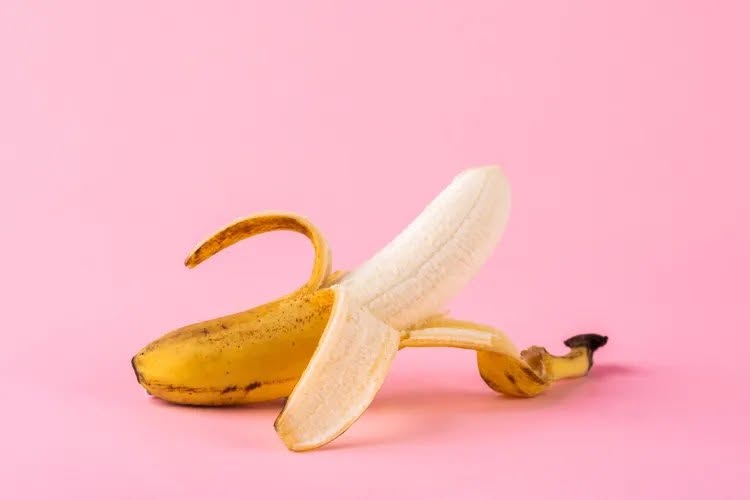
Learn how potassium-rich foods may help support healthy blood pressure by balancing sodium and relaxing blood vessel walls, plus practical ways to add potassium to your daily diet.
Eating More Potassium Helps Keep Your Blood Pressure in Check
Potassium is an essential mineral that plays an important role in maintaining normal fluid balance, supporting nerve and muscle function, and helping the heart beat properly. It may also be beneficial for healthy blood pressure, particularly when your diet is high in sodium.
For many people, increasing potassium through nutritious foods can be part of a heart-healthy eating pattern. However, more potassium is not automatically better for everyone, especially people with kidney disease or those taking certain medications.
How Does Potassium Help Blood Pressure?
One important job of potassium is helping the body maintain an appropriate balance between potassium and sodium.
A diet high in sodium can contribute to increased blood pressure in some people. Adequate potassium intake may help the kidneys remove more sodium through urine and may also support healthy blood-vessel function.
This is one reason dietary patterns rich in fruits, vegetables, legumes, and other potassium-containing foods are often associated with better cardiovascular health.
Potassium May Help Relax Blood Vessels
Potassium contributes to normal muscle function, including the muscles in blood vessel walls. Adequate potassium can support normal vascular function, which may help blood vessels remain appropriately relaxed.
This can contribute to maintaining healthy blood pressure over time.
Potassium-Rich Foods to Add to Your Diet
Rather than relying on supplements, most people should aim to obtain potassium from a varied diet.
Good food sources include:
- Bananas
- Oranges and orange juice
- Potatoes and sweet potatoes
- Tomatoes
- Spinach and other leafy greens
- Beans and lentils
- Avocados
- Yogurt
- Fish
- Dried fruits
- Squash
- Milk
Whole foods also provide fiber, vitamins, minerals, and other nutrients that supplements don’t necessarily provide.
Don’t Forget About Sodium
Increasing potassium can be helpful, but reducing excessive sodium is also important.
A simple approach is to eat fewer highly processed foods such as:
- Packaged soups
- Processed meats
- Salty snacks
- Instant noodles
- Fast food
- Certain canned and frozen meals
- Highly salted sauces and condiments
Instead, choose fresh or minimally processed foods when possible and flavor meals with herbs, spices, garlic, lemon, or other salt-free seasonings.
What About Potassium Supplements?
Potassium supplements aren’t necessary for most healthy people and shouldn’t be taken simply because you want to lower your blood pressure.
Too much potassium in the bloodstream can be dangerous. The risk is particularly important for people with kidney problems or those taking certain medications, including some blood-pressure medicines and potassium-sparing diuretics.
If you have kidney disease or take regular medication, ask your healthcare professional before deliberately increasing potassium intake or using a potassium supplement.
A Simple High-Potassium Breakfast
You could start your morning with a balanced meal such as:
Plain yogurt + banana + oats + a small handful of unsalted nuts
Another option is:
Eggs + avocado + whole-grain toast + fresh fruit
The goal isn’t to consume enormous amounts of potassium at once. It’s to build a balanced eating pattern that regularly includes nutritious foods.
Can Potassium Replace Blood Pressure Medication?
No. If you’ve been prescribed medication for hypertension, don’t stop taking it because you’ve increased potassium-rich foods.
Dietary changes can complement medical treatment, but some people require medication to keep blood pressure within a healthy range.
It’s also worth monitoring your blood pressure regularly if you’ve been diagnosed with hypertension.
The Bottom Line
Potassium-rich foods can be an important part of a heart-healthy diet and may help support healthy blood pressure, particularly alongside lower sodium intake.
Focus on whole foods such as vegetables, fruits, beans, potatoes, dairy, and fish rather than relying on supplements.
And if you have kidney disease or take medications that affect potassium levels, talk with your doctor before making major changes to your potassium intake.