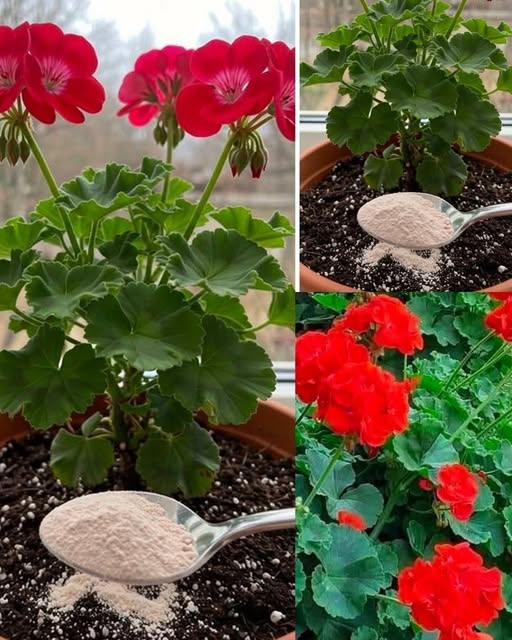
Discover simple, plant-friendly ways to encourage geraniums and other flowering houseplants to bloom more abundantly, including proper light, watering, feeding, pruning, and deadheading.
The Ingenious Trick to Make Your Geraniums Bloom More Quickly
Geraniums can transform a balcony, windowsill, or garden into a colorful display, but sometimes they produce plenty of leaves while stubbornly refusing to flower.
The good news is that you don’t need a mysterious homemade potion to encourage blooming. The biggest difference usually comes from giving the plant the right combination of light, watering, nutrients, and pruning.
Here are practical techniques that can help geraniums produce more flowers.
1. Give Them Plenty of Light
One of the most important factors for flowering is adequate sunlight.
Geraniums generally perform best in a bright location with several hours of direct sunlight each day. If a plant receives too little light, it may become leggy and produce lots of foliage but fewer flowers.
If your geranium is indoors, place it near the brightest suitable window.
During extremely hot weather, however, very intense afternoon heat can stress plants, so observe how your particular plant responds.
2. Don’t Overwater
One of the most common mistakes is watering too frequently.
Geraniums generally prefer soil that drains well and isn’t constantly saturated. Allow the upper layer of soil to dry somewhat between waterings, then water thoroughly and allow excess water to drain away.
Never leave the pot sitting in stagnant water.
Yellowing leaves, consistently wet soil, and a musty smell can be signs that the plant is receiving too much moisture.
3. Feed for Flowers—But Don’t Overdo It
Plants need nutrients to grow and flower. A balanced fertilizer can help when the existing soil doesn’t provide enough nutrients.
During active growth, use a fertilizer labeled for flowering plants, following the package directions.
Avoid the temptation to add extra fertilizer thinking that more will create more flowers. Excess fertilizer can damage roots and encourage excessive leafy growth.
4. The Simple Trick: Deadhead Regularly
If you want one easy habit that can make a noticeable difference, try deadheading.
Once a geranium flower cluster begins to fade:
- Wait until most of the flowers in the cluster have finished.
- Follow the flower stem down toward the plant.
- Remove the entire spent flower stalk with clean scissors or pruning shears.
- Continue checking the plant regularly.
Removing spent flowers helps keep the plant focused on producing new growth rather than allowing old flowers to develop seeds.
5. Pinch Back Leggy Growth
If your geranium has become tall and sparse, lightly pruning or pinching the growing tips can encourage branching.
More branches can mean more places for flower buds to develop.
Don’t remove large portions of the plant all at once unless you’re intentionally doing a more substantial pruning. Gradual trimming is usually easier for the plant to handle.
6. Use Well-Draining Soil
Geraniums don’t like sitting in waterlogged soil.
A quality potting mix combined with a container that has proper drainage can help prevent excess moisture around the roots.
Always make sure the drainage holes aren’t blocked.
7. A Homemade “Miracle Fertilizer” Isn’t Necessary
You may see recipes online recommending things such as sugar, milk, coffee grounds, banana peels, or other kitchen ingredients to make geraniums bloom overnight.
These remedies are often exaggerated.
There is no safe kitchen ingredient that can force all geraniums to suddenly bloom in a few days.
Some homemade mixtures can actually attract pests, encourage mold, alter soil conditions, or provide an inappropriate nutrient balance.
A much more reliable approach is proper light, watering, nutrition, and regular deadheading.
Can the Same Method Work for Other Plants?
The general principles—adequate light, appropriate watering, good nutrition, and removal of spent flowers—can benefit many flowering plants.
However, every plant has different requirements.
For example, a geranium’s ideal conditions aren’t necessarily the same as those of an orchid, peace lily, African violet, or flowering shrub.
Before applying fertilizer or changing watering habits, identify the plant and learn its specific needs.
A Simple Geranium Blooming Routine
For the best chance of abundant flowering:
☀️ Light: Give your geranium a bright, sunny location.
💧 Water: Water when the soil has partially dried rather than following a rigid daily schedule.
🌱 Soil: Use a well-draining growing medium and a pot with drainage holes.
🌸 Deadhead: Remove faded flower clusters regularly.
✂️ Prune: Pinch back overly long or leggy growth to encourage branching.
🌿 Feed: Use an appropriate flowering-plant fertilizer according to its label.
Final Thought
The real “secret” to getting geraniums covered in flowers isn’t a magical homemade mixture. It’s consistent care and giving the plant conditions that encourage flowering.
If your geranium is healthy but not blooming, start with the basics: more suitable light, careful watering, regular deadheading, and appropriate feeding.
With patience, those green leaves can eventually become covered with the colorful blooms you’re hoping for. 🌺