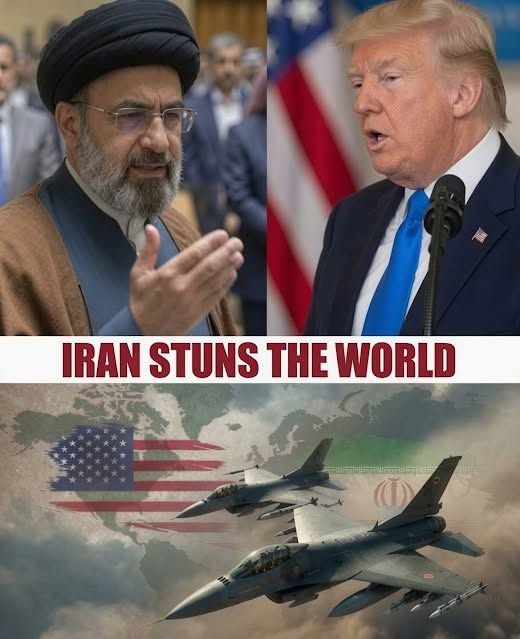
A major new development is unfolding as Iran signals a possible path toward reopening the Strait of Hormuz, one of the world’s most strategically important waterways.
According to reports published on August 28, 2026, Iranian officials say Tehran is preparing a list of conditions that must be addressed before normal maritime traffic can resume. The announcement comes as Qatar and other regional mediators intensify diplomatic efforts to reduce tensions between Iran and the United States.
🌊 What Did Iran Announce?
Iran’s security leadership says it is drafting specific conditions for reopening the waterway. Iranian officials have indicated that the United States would need to take practical steps before Tehran agrees to restore normal passage.
Previous Iranian demands have included an end to the U.S. blockade and relief from sanctions.
The announcement does not mean that the Strait has fully reopened. Instead, it represents a potential opening for further negotiations.
Why Is the Strait of Hormuz So Important?
The Strait of Hormuz connects the Persian Gulf with the Gulf of Oman and the wider Arabian Sea.
It is a critical route for global energy supplies. Disruptions there can affect oil shipments, fuel prices, shipping costs, and economies far beyond the Middle East.
Current shipping activity remains significantly below normal levels, making any agreement that restores safe commercial traffic potentially important for global markets.
🇶🇦 Diplomacy Intensifies
Qatar has been playing an active role in the latest diplomatic effort.
Qatar’s Prime Minister Sheikh Mohammed bin Abdulrahman Al Thani traveled to Tehran and held discussions concerning the Strait of Hormuz and the possibility of restarting broader dialogue.
Pakistan and Oman have also been involved in efforts to reduce tensions and find a diplomatic way forward.
What Happens Next?
The biggest question is whether Iran’s conditions can be accepted by Washington.
The United States has recently emphasized economic pressure on Tehran, while Iran has strongly rejected the new sanctions and demanded changes before agreeing to normalize shipping through the strait.
For now, there is no confirmed comprehensive peace agreement.
But Iran’s willingness to discuss conditions for reopening the waterway could provide diplomats with a new opportunity to negotiate.
🌍 Why the World Is Watching
Any meaningful improvement in the Strait of Hormuz could have consequences far beyond Iran and the United States.
Lower shipping risks could ease pressure on energy markets, while continued restrictions could keep uncertainty high.
For millions of people around the world, the issue isn’t simply about geopolitics—it can ultimately affect oil prices, transportation costs, inflation, and the price of everyday goods.
For now, the world is waiting to see whether Iran’s newly announced conditions become the beginning of a diplomatic breakthrough—or another stage in an increasingly complicated confrontation.