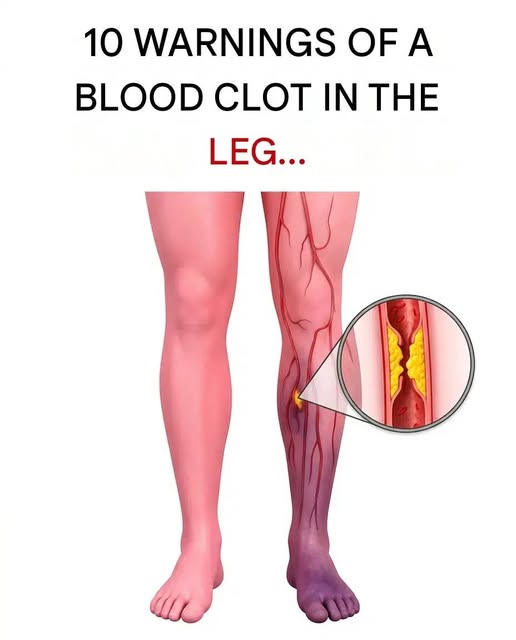
the 7 warning signs of a possible blood clot in the leg, when symptoms require urgent medical attention, and practical ways to reduce your risk of deep vein thrombosis (DVT).
These 7 Subtle Signs May Point to a Blood Clot in the Leg — and How to Reduce Your Risk
A blood clot in a deep vein of the leg, known as deep vein thrombosis (DVT), can sometimes develop without obvious warning. In fact, the CDC notes that about half of people with DVT may have no symptoms at all. When symptoms do occur, recognizing them quickly matters because part of a clot can break away and travel to the lungs, causing a potentially life-threatening pulmonary embolism (PE).
Here are signs worth knowing.
1. Unexplained swelling in one leg
One of the most important warning signs is new swelling affecting one leg, particularly the calf or thigh. The affected leg may look noticeably larger than the other one.
Swelling can have many causes, so it doesn’t automatically mean you have a blood clot. However, unexplained swelling—especially when combined with pain, warmth, or skin discoloration—should be medically evaluated promptly.
2. Pain or tenderness in the calf or thigh
A DVT may cause pain, tenderness, throbbing, or cramping, commonly in the calf or thigh. It may appear without an obvious injury.
Because similar discomfort can occur with a muscle strain or other conditions, you cannot reliably diagnose a clot based on pain alone. Medical testing may be needed.
3. The skin feels unusually warm
The area around a clot may feel warmer than the surrounding skin.
Warmth is particularly concerning when it occurs alongside swelling, tenderness, or discoloration in the same leg.
4. Red, darkened, or discolored skin
Another possible sign is redness or a change in the normal color of the skin around the affected area.
The discoloration can vary depending on a person’s skin tone, so it’s important to pay attention to changes from your usual appearance rather than relying on a specific shade of red.
5. Swollen or more prominent veins
Some people with DVT may notice swollen or more visible veins in the affected leg. This isn’t specific to DVT, but when it appears together with unexplained swelling or pain, it deserves medical attention.
6. A combination of symptoms on just one side
A particularly important pattern is several symptoms occurring together in one leg—for example, new swelling plus calf pain and warmth.
DVT often affects one leg rather than both, although symptoms alone cannot confirm whether a clot is present. A healthcare professional may need to arrange an ultrasound or other testing.
7. Sudden breathing or chest symptoms
This is not technically a sign of a clot remaining in the leg. Instead, it can indicate that a clot has traveled to the lungs, causing a pulmonary embolism.
Warning signs include:
- Sudden difficulty breathing
- Chest pain, particularly pain that worsens with breathing
- Rapid or irregular heartbeat
- Coughing up blood
- Lightheadedness or fainting
These symptoms require immediate emergency medical attention.
Who Is More Likely to Develop a Blood Clot?
Risk can increase with factors such as:
- Long periods of sitting or limited movement
- Recent surgery or hospitalization
- A previous DVT or blood clot
- Certain cancers or chronic illnesses
- Smoking
- Being overweight or obese
- Long-distance travel, particularly journeys lasting more than four hours
- Estrogen-containing medications
- Pregnancy and the period shortly after giving birth
- Certain inherited clotting disorders
Having a risk factor does not mean a person definitely has a clot, but knowing your risk can help you recognize concerning symptoms earlier.
How Can You Lower Your Risk?
You can’t prevent every blood clot, but several habits can reduce risk, particularly during periods of prolonged sitting.
Keep moving. If you’re sitting for a long time, get up periodically and walk around. During travel, regularly move your feet, ankles, and legs.
Avoid prolonged immobility. Extended bed rest or being unable to move after surgery can increase clot risk. Follow your healthcare team’s recommendations for safe movement.
Know your personal risk factors. If you’ve previously had a clot, are undergoing surgery, are pregnant, or have another condition that raises your risk, discuss prevention with your healthcare professional.
Don’t self-treat a suspected clot. Aspirin or blood-thinning medication should not be started on your own simply because you suspect DVT. The appropriate treatment depends on medical evaluation and diagnosis.
When Should You Seek Help?
If you develop new unexplained swelling, pain or tenderness, warmth, or discoloration in one leg, seek medical advice promptly. DVT cannot be reliably diagnosed from symptoms alone; doctors may use specialized testing, including ultrasound.
If leg symptoms are accompanied by sudden shortness of breath, chest pain, coughing up blood, severe dizziness, or fainting, treat it as an emergency and seek immediate medical care.
The key message: Don’t panic over every leg ache, but don’t ignore a new combination of unexplained one-sided swelling, pain, warmth, or discoloration. Recognizing possible DVT early can help prevent serious complications.