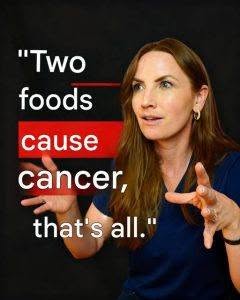
The headline “Two foods cause cancer” sounds shocking, but the truth is more nuanced.
There isn’t a simple list of two ordinary foods that can be said to cause cancer in everyone. However, research has identified certain types of foods and food products that are associated with a higher cancer risk when consumed frequently or in large amounts.
Understanding the difference matters.
Instead of being afraid of individual foods, it’s more useful to look at your overall eating pattern and how often certain foods appear in your diet.
1. Processed Meats
Processed meats are among the foods most consistently associated with increased cancer risk.
Examples include:
- Bacon
- Sausages
- Hot dogs
- Salami
- Ham
- Some cured or smoked meats
These products may be preserved through processes such as curing, smoking, fermentation, or salting.
The International Agency for Research on Cancer has classified processed meat as carcinogenic to humans, based on evidence linking consumption with colorectal cancer.
That doesn’t mean eating a single sausage will cause cancer.
Risk is related to regular consumption and the amount consumed over time.
How Can You Reduce Your Intake?
You don’t necessarily have to completely overhaul your diet overnight.
Try replacing processed meats with options such as:
- Fresh poultry
- Fish
- Eggs
- Beans and lentils
- Fresh, unprocessed meat
You can also make processed meat an occasional food rather than something eaten every day.
2. Heavily Processed Foods High in Refined Ingredients
The second category is more complicated.
Foods high in added sugars, refined carbohydrates, unhealthy fats, and calories aren’t necessarily direct carcinogens in the same way processed meat is.
However, regularly consuming large amounts of highly processed, calorie-dense foods can contribute to weight gain and obesity.
That matters because excess body weight is associated with an increased risk of several types of cancer.
Examples can include:
- Sugary baked goods
- Certain packaged snack foods
- Highly processed desserts
- Sugar-sweetened drinks
- Some fast-food meals
The concern isn’t that one cookie or one soda causes cancer.
It’s the long-term dietary pattern and its effects on body weight and metabolic health that matter.
It’s Not Just About What You Eat
Cancer risk is influenced by many factors.
These can include:
- Tobacco use
- Alcohol consumption
- Body weight
- Physical activity
- Age
- Family history
- Certain infections
- Environmental exposures
- Random genetic changes
That’s why it would be inaccurate to blame cancer on one or two foods alone.
What Should You Eat Instead?
A cancer-conscious eating pattern generally emphasizes a variety of nutritious foods.
Try to include plenty of:
Vegetables and fruits:
They provide fiber and a wide range of vitamins and beneficial plant compounds.
Whole grains:
Oats, whole-grain bread, brown rice, and other minimally processed grains can provide valuable dietary fiber.
Beans and lentils:
These are excellent sources of plant protein and fiber.
Fish, poultry, and other protein sources:
Choose a variety of protein foods rather than relying heavily on processed meat.
Nuts and seeds:
These can provide healthy fats, protein, and fiber.
Don’t Let a Scary Headline Frighten You
Nutrition headlines often turn complicated scientific evidence into simple statements such as:
“This food causes cancer!”
But scientific evidence rarely works that way.
A food can be associated with increased risk without meaning that everyone who eats it will develop cancer.
The amount consumed, frequency, overall diet, lifestyle, and individual risk factors all matter.
So rather than fearing two particular foods, focus on the bigger picture:
Eat a varied diet, emphasize minimally processed foods, limit processed meats and heavily processed foods, maintain a healthy weight, stay physically active, and avoid tobacco.
Those habits are much more meaningful than eliminating one food because of a frightening headline.