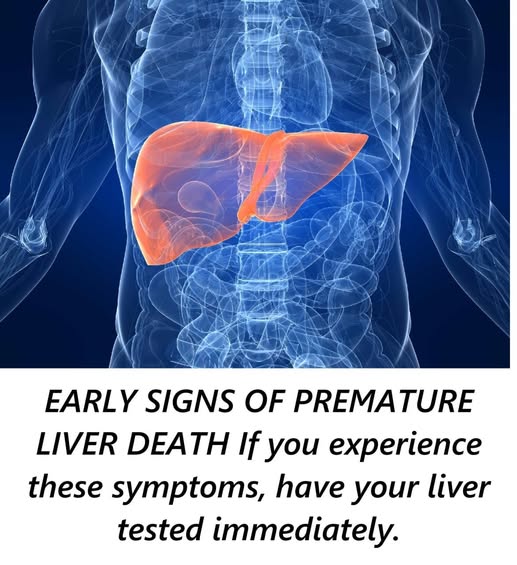
Your liver works quietly every day, performing hundreds of important functions. It helps process nutrients, produces bile, stores energy, and helps the body process medications and other substances.
One of the tricky things about liver problems is that early liver disease may cause few or no obvious symptoms. A person can feel relatively well while an underlying liver condition is developing.
That is why persistent or unusual symptoms deserve attention—especially when several occur together.
Here are 12 possible warning signs that shouldn’t simply be dismissed.
1. Persistent Fatigue
Feeling tired after a poor night’s sleep is normal.
But ongoing, unexplained fatigue that doesn’t improve with adequate rest can sometimes occur with liver disease.
Fatigue is extremely nonspecific, however, and can have many other causes, including anemia, sleep problems, infections, medication effects, and thyroid disorders.
2. Loss of Appetite
A noticeable decrease in appetite may occur with some liver conditions.
You may find yourself becoming full quickly or simply not feeling interested in food.
If appetite loss persists or is accompanied by weight loss, nausea, abdominal symptoms, or other concerning changes, it is worth discussing with a healthcare professional.
3. Nausea or Vomiting
Liver problems can sometimes be associated with nausea.
But nausea and vomiting are common symptoms with countless possible causes, ranging from infections and medication side effects to gastrointestinal conditions.
Don’t assume nausea automatically means your liver is damaged.
4. Unexplained Weight Loss
Losing weight without intentionally changing your diet or activity level deserves attention.
Unexplained weight loss can occur with many medical conditions, including some liver disorders, but it is not specific to liver disease.
A doctor can help determine the underlying cause.
5. Pain or Discomfort in the Upper Right Abdomen
The liver is located in the upper-right portion of the abdomen.
Some liver conditions can cause discomfort or fullness in this area.
However, pain there can also come from the gallbladder, stomach, intestines, muscles, or other structures.
Persistent or severe abdominal pain should be medically evaluated.
6. Yellowing of the Skin or Eyes
One of the more recognizable signs of significant liver or bile-flow problems is jaundice.
It causes the skin or whites of the eyes to become yellow because bilirubin builds up in the body.
Jaundice can have several causes, including liver disease, bile duct problems, and certain blood disorders.
New yellowing of the skin or eyes should be assessed promptly.
7. Dark Urine
Urine that becomes unusually dark can sometimes occur when bilirubin enters the urine, including with certain liver or bile-duct problems.
However, dark urine can also result from dehydration, medications, foods, or other conditions.
If it persists—particularly alongside jaundice or pale stools—seek medical advice.
8. Pale or Clay-Colored Stools
Healthy bile contributes to the normal brown color of stool.
If bile flow is significantly reduced or blocked, stools may become unusually pale, gray, or clay-colored.
This can happen with problems involving the liver, gallbladder, or bile ducts.
Persistent pale stools deserve medical evaluation.
9. Persistent Itching
Unexplained widespread itching can sometimes accompany liver and bile-flow disorders.
The itching may occur without an obvious rash.
There are many other possible causes of persistent itching, so it shouldn’t automatically be attributed to the liver.
10. Easy Bruising or Bleeding
The liver helps produce proteins involved in blood clotting.
When liver function becomes significantly impaired, clotting problems can develop, potentially causing easier bruising or bleeding.
However, medications, nutritional deficiencies, blood disorders, and other medical conditions can cause similar symptoms.
Unexpected or excessive bleeding should always be evaluated.
11. Swelling in the Legs or Abdomen
Fluid accumulation can occur in people with advanced liver disease.
Swelling may appear in the ankles or legs, while fluid buildup in the abdomen is called ascites.
These symptoms can also result from heart, kidney, vascular, or other conditions.
New or unexplained swelling should be assessed by a healthcare professional.
12. Confusion or Changes in Alertness
Advanced liver disease can sometimes affect brain function, a complication known as hepatic encephalopathy.
Symptoms may include confusion, unusual sleepiness, difficulty concentrating, personality changes, or altered behavior.
This is not something to ignore.
Sudden confusion, extreme drowsiness, or a major change in mental status requires urgent medical assessment.
Why Liver Disease Can Be Difficult to Detect
The liver has a remarkable ability to continue functioning even when it is under stress.
Some people with chronic liver disease have few noticeable symptoms until the condition has progressed.
That’s one reason routine medical evaluation can be important for people with risk factors such as heavy alcohol use, viral hepatitis, obesity, diabetes, certain medications, or a history of liver problems.
What Tests Can Check Liver Health?
A healthcare professional may use blood tests to evaluate liver-related markers.
Depending on the situation, testing can include measurements such as:
- ALT
- AST
- Alkaline phosphatase
- Bilirubin
- Albumin
- Other blood tests
Imaging such as ultrasound or specialized scans may also be recommended.
Importantly, a single “liver test” doesn’t provide a complete picture of liver health. Results need to be interpreted in context.
When Should You Seek Medical Help?
Contact a healthcare professional if you have persistent or unexplained symptoms that concern you.
Seek urgent medical attention for symptoms such as new jaundice with severe illness, vomiting blood, black or bloody stools, severe abdominal swelling or pain, significant confusion, fainting, or difficulty breathing.
These symptoms can indicate serious medical problems and shouldn’t be managed at home.
Don’t Wait for Symptoms to Become Severe
One of the biggest misconceptions about liver disease is that you will always know something is wrong.
That’s not necessarily true.
Some liver conditions can progress quietly.
The good news is that many liver problems are manageable, particularly when the underlying cause is identified early.
A healthy lifestyle can also support liver health: maintain a healthy weight, exercise regularly, avoid excessive alcohol, take medications only as directed, and discuss hepatitis vaccination and testing with your healthcare professional when appropriate.
The Bottom Line
Feeling healthy is reassuring—but it doesn’t guarantee that every organ is functioning perfectly.
The liver can sometimes be affected without producing obvious symptoms early on.
If you notice persistent fatigue, unexplained weight loss, jaundice, dark urine, pale stools, unusual itching, swelling, easy bruising, or changes in mental status, don’t automatically assume it’s “nothing.”
Listen to your body, but don’t diagnose yourself from symptoms alone.
If something seems unusual or persistent, getting appropriate medical advice is far safer than waiting for the problem to become severe.