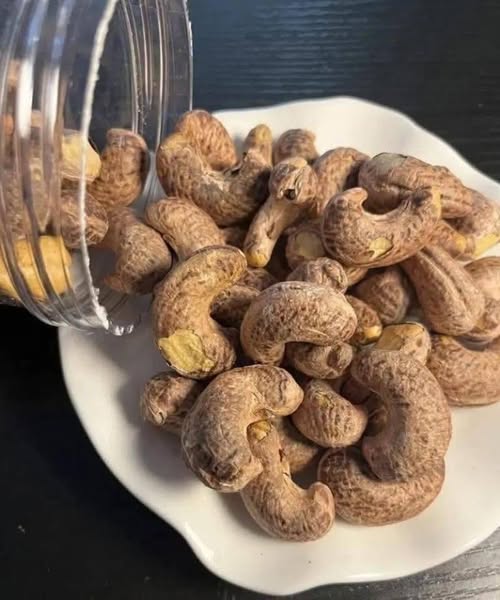
Discover the potential health benefits and possible concerns of eating cashews, including nutrition, allergies, calories, and portion size.
Doctors Reveal What Eating Cashews May Do to Your Health
Cashews are a popular snack enjoyed around the world. They have a creamy texture, slightly sweet flavor, and contain several important nutrients. But like many foods, cashews can affect different people in different ways.
So, what actually happens when you eat cashews regularly?
Cashews Are Nutrient-Dense
Cashews provide a combination of healthy fats, plant-based protein, carbohydrates, vitamins, and minerals. They are particularly known for providing minerals such as copper, magnesium, and zinc.
A small serving can also be quite satisfying, which makes cashews a convenient snack between meals.
Can Cashews Be Part of a Healthy Diet?
For most people, yes. Nuts can fit into a balanced eating pattern when eaten in reasonable portions.
Because cashews are relatively calorie-dense, however, eating large amounts can add substantial calories to your daily intake. A handful may be enough for a snack.
Choosing unsalted or lightly salted cashews can also help reduce unnecessary sodium intake.
What About Heart Health?
Cashews contain predominantly unsaturated fats. Replacing foods high in saturated fats with foods containing unsaturated fats can be beneficial for cardiovascular health.
However, eating cashews alone isn’t a treatment for heart disease. Overall diet, physical activity, blood pressure, cholesterol, smoking, and other health factors all matter.
Can Some People Have Problems With Cashews?
Absolutely.
Cashews are a tree nut, and tree-nut allergies can be serious. Someone with a cashew allergy may develop symptoms such as itching, hives, swelling, vomiting, breathing difficulties, or other signs of an allergic reaction.
Anyone who experiences symptoms suggesting a severe allergic reaction should seek emergency medical care.
Are Cashews Good for Weight Loss?
Cashews can be included in a weight-management diet, but portion size matters.
They contain healthy fats and protein, which may help with fullness, but they are also energy-dense. Eating several handfuls without realizing it can add a significant number of calories.
A measured serving is a better approach than eating directly from a large packet.
The Bottom Line
Cashews aren’t a dangerous food for most people, and there is no good reason to believe that simply eating cashews causes a particular disease in otherwise healthy people.
They can be a nutritious addition to a balanced diet when consumed in appropriate portions.
The important lesson is simple: don’t judge a food based on a shocking headline. Look at the evidence, consider your individual health needs, and speak with a healthcare professional if you have an allergy or medical condition that affects your diet.