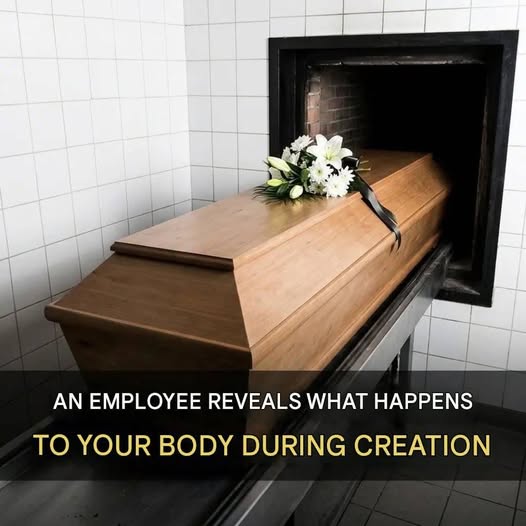
Learn what happens during cremation, from preparation and the cremation process to cooling, processing, and the return of cremated remains.
Crematorium: What Really Happens to Our Bodies During Cremation?
Cremation is a subject that many people are curious about but rarely discuss openly. Because most people never see what happens inside a crematorium, there are many misconceptions and unsettling stories surrounding the process.
The reality is more straightforward and carefully regulated than many sensational headlines suggest.
While procedures vary depending on local laws and the crematorium, the basic process generally follows a series of carefully controlled steps.
What Happens Before Cremation?
Before cremation takes place, the deceased is formally identified and the necessary legal documentation is completed.
The crematorium follows procedures designed to ensure that the correct person is being cremated and that the remains can be properly identified afterward.
Depending on local regulations and the family’s arrangements, personal items may be removed before cremation.
Certain medical devices may also require special consideration. For example, some implanted devices can present safety concerns during cremation and may need to be removed according to applicable procedures.
The Body Is Placed Inside the Cremation Chamber
The body is placed inside a specially designed cremation chamber.
Unlike an ordinary household oven, a cremation chamber is built to withstand extremely high temperatures and is operated under controlled conditions.
The chamber is heated to a temperature high enough to reduce the body to bone fragments and other remaining material.
The exact temperature and duration vary according to the equipment, regulations, and individual circumstances.
What Happens During Cremation?
During the process, intense heat causes the body’s soft tissues to break down.
Much of the body’s water content is released as vapor, while organic materials are broken down through heat and combustion.
The bones behave differently. They do not simply disappear completely.
After the cremation cycle is finished, recognizable bone fragments remain.
This is an important distinction because the material returned to a family is primarily processed bone fragments, rather than simply “ashes” in the everyday sense.
What Happens to the Bones?
Once the cremation chamber has cooled sufficiently, the remaining material is carefully collected.
Any metal components that remain, such as certain medical implants, may be separated from the cremated remains.
The remaining bone fragments are then processed into a finer, more uniform material.
This is what is commonly referred to as cremated remains or ashes.
Are the Ashes Actually Ashes?
The word “ashes” is commonly used because it is familiar, but cremated remains are primarily composed of mineralized bone material.
They generally have a coarse, sand-like appearance after processing rather than looking like the soft gray ash left behind by burning wood.
The final appearance can vary depending on factors such as the individual, cremation process, and equipment used.
What Happens to Jewelry or Other Personal Items?
Families may sometimes choose to leave certain permitted personal items with the deceased, but policies differ between crematoriums.
Materials that do not burn may remain afterward and can sometimes be separated during processing.
Items such as medical implants require special handling because some metals may be unsuitable for the cremation chamber or require removal afterward.
Is Cremation the Same Everywhere?
No.
The details of cremation vary between countries, regions, and individual facilities. Laws can determine how identification, documentation, transportation, preparation, and the handling of cremated remains must be performed.
Modern crematoriums also use different types of equipment and operating procedures.
Why Do Crematoriums Follow Strict Procedures?
The handling of human remains requires dignity, care, and accountability.
Crematoriums generally have procedures intended to prevent identification errors and ensure that the cremated remains are properly handled and returned to the appropriate family.
These procedures are an important part of maintaining trust during an extremely difficult time.
The Truth Behind the Mystery
Many people imagine cremation as something mysterious or frightening because the process is hidden from public view.
In reality, it is a carefully controlled process involving identification, documentation, high-temperature cremation, cooling, collection, separation of non-combustible materials, and processing of the remaining bone fragments.
The process may be emotionally difficult to think about, but understanding what actually happens can replace frightening myths with accurate information.
Final Thoughts
Cremation is ultimately a method of handling human remains after death. Although the details may differ between facilities, the process is designed to be systematic, respectful, and carefully controlled.
What families receive at the end of the process are cremated remains, which are primarily processed bone fragments.
For anyone considering cremation for themselves or a loved one, speaking directly with a licensed crematorium or funeral professional is the best way to understand the exact procedures and legal requirements in their area.