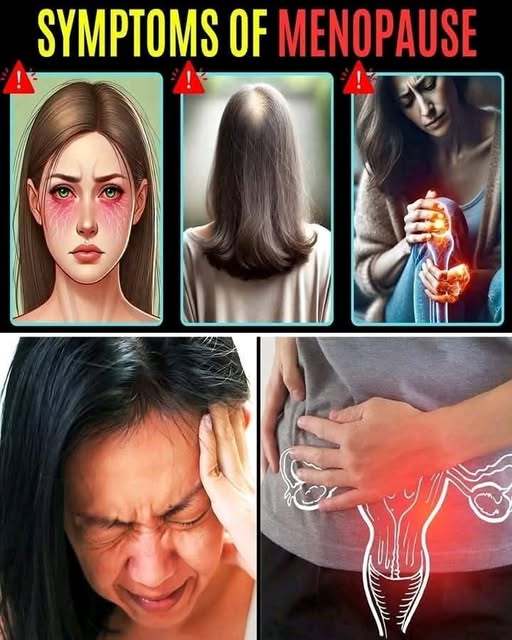
Menopause can cause much more than hot flashes. Discover 14 lesser-known menopause symptoms, why they happen, and when unusual changes should be discussed with a healthcare professional.
Menopause is often associated with hot flashes and irregular periods, but the hormonal changes that occur during the menopause transition can affect sleep, mood, skin, muscles, joints, digestion, sexual health, and concentration.
Not every woman experiences the same symptoms, and many changes can have causes unrelated to menopause. Still, knowing what can happen may make it easier to recognize changes and discuss them with a healthcare professional.
1. Brain Fog and Difficulty Concentrating
Some women notice that they have more trouble finding words, concentrating, remembering names, or staying focused.
These changes are often described as brain fog. Sleep disruption, stress, anxiety, and hormonal fluctuations can all contribute.
2. Sleep Problems
You may have difficulty falling asleep, wake repeatedly during the night, or wake earlier than usual.
Night sweats can certainly interrupt sleep, but insomnia can also occur independently of hot flashes during the menopause transition.
3. Heart Palpitations
Some women experience a sensation of their heart racing, pounding, fluttering, or skipping a beat.
Hormonal fluctuations, stress, caffeine, medications, and other medical conditions can also cause palpitations. New, persistent, or severe palpitations should be evaluated rather than automatically blamed on menopause.
4. Joint and Muscle Aches
Aches and stiffness can become more noticeable around menopause.
Changes in estrogen may play a role in musculoskeletal symptoms, but arthritis, physical inactivity, injuries, and other conditions are also common causes.
5. Headaches or Migraines
Hormonal fluctuations can influence migraines and headaches, particularly in women who previously experienced menstrual migraines.
A sudden, extremely severe headache or a headache accompanied by neurological symptoms requires urgent medical attention.
6. Changes in Mood
Irritability, anxiety, low mood, and emotional ups and downs can become more noticeable during the menopause transition.
Hormonal changes may contribute, but life stress, poor sleep, relationship difficulties, and other factors can also affect mood.
7. Vaginal Dryness
Declining estrogen levels can cause vaginal tissues to become thinner and drier.
This may lead to discomfort, burning, irritation, or pain during sex. Vaginal moisturizers and lubricants can help some women, while prescription treatments may be appropriate for others.
8. Lower Sexual Desire
Some women notice a decrease in sexual interest during or after menopause.
This can be influenced by hormonal changes, vaginal discomfort, sleep problems, medications, relationship factors, and mood. It’s common, but you don’t have to simply accept persistent discomfort.
9. Urinary Changes
Menopause can be associated with increased urinary urgency, frequency, leakage, or recurrent urinary symptoms.
Pelvic-floor exercises, lifestyle changes, and medical treatments can help depending on the underlying problem.
10. Dry or Itchy Skin
As estrogen levels change, skin may become drier and feel less supple.
Using gentle cleansers and regular moisturizers can help protect the skin barrier.
11. Hair Changes
Some women notice that their hair becomes thinner, drier, or more difficult to manage.
Hormonal changes can contribute, but thyroid disorders, iron deficiency, nutritional problems, medications, and other conditions can also cause hair loss.
12. Changes in Body Composition
Many women notice that weight becomes easier to gain around the abdomen during midlife.
Menopause isn’t the only explanation. Aging, reduced muscle mass, changes in activity, sleep, stress, and dietary patterns can all contribute to changes in body composition.
13. Hot Flashes and Night Sweats
These are among the most recognized menopause symptoms, but they can be surprisingly disruptive.
A hot flash may cause sudden warmth, sweating, flushing, and sometimes a rapid heartbeat. Night sweats can repeatedly interrupt sleep and leave you exhausted the next day.
14. Changes in Menstrual Patterns
For many women, the first noticeable sign of the menopause transition is a change in their periods.
Periods may become heavier, lighter, shorter, longer, or less predictable. Menopause itself is reached after 12 consecutive months without a menstrual period, assuming there isn’t another explanation.
When Should You Talk to a Doctor?
Menopause can explain many changes, but not every new symptom is caused by menopause.
See a healthcare professional if symptoms are persistent, severe, interfere with daily life, or seem unusual for you.
Particularly important is any vaginal bleeding after menopause. Bleeding after 12 months without a period should always be evaluated.
Likewise, chest pain, severe shortness of breath, sudden weakness or numbness, difficulty speaking, fainting, or a sudden severe headache should not be dismissed as menopause.
The Bottom Line
Menopause is a major biological transition, not simply the end of monthly periods. Hormonal changes can affect many parts of the body, and symptoms can vary dramatically from one woman to another.
If changes are affecting your sleep, mood, relationships, work, or quality of life, you don’t have to suffer silently. A healthcare professional can help determine whether menopause is responsible and discuss appropriate treatment options.