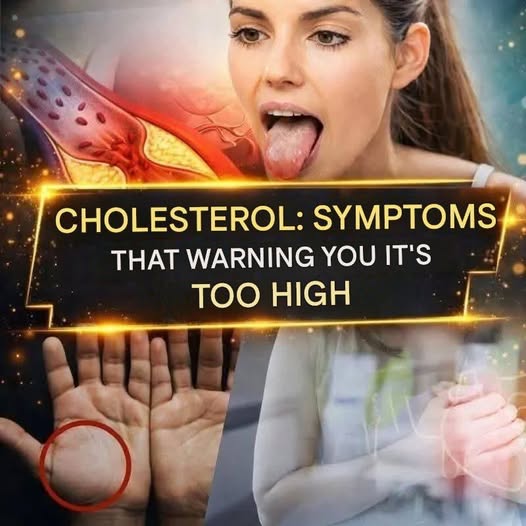
: High cholesterol usually causes no symptoms, but very high levels can sometimes produce visible signs or contribute to heart and blood-vessel disease. Learn five warning signs worth discussing with a doctor.
High cholesterol is often called a “silent” condition because most people don’t feel anything when their cholesterol levels are elevated. The only reliable way to know your cholesterol level is through a blood test.
However, very high cholesterol—particularly inherited forms such as familial hypercholesterolemia—can sometimes produce physical signs. Cholesterol itself can also contribute to plaque buildup in arteries, which may eventually cause symptoms of cardiovascular disease.
Here are five signs to know about.
1. Yellowish Bumps Around the Eyes
Small yellowish deposits around the eyelids, called xanthelasma, can sometimes be associated with abnormal cholesterol levels.
They aren’t proof that cholesterol is high, however. They can occur in people with normal cholesterol too.
If you notice new yellowish patches around your eyes, consider having your cholesterol checked.
2. Cholesterol Deposits in Tendons
Very high cholesterol, particularly familial hypercholesterolemia, can cause fatty deposits called tendon xanthomas.
They may appear as firm lumps or thickening around tendons, especially around the Achilles tendon or the hands.
This is an important reason to seek medical evaluation, particularly if close relatives have had very high cholesterol or heart disease at a young age.
3. A Grayish Ring Around the Cornea
A gray or white ring around the outer edge of the cornea is called corneal arcus.
It can occur naturally with aging and therefore doesn’t automatically mean that cholesterol is dangerously high. However, when it appears at an unusually young age, it can sometimes be associated with high cholesterol.
4. Chest Pressure or Pain During Activity
High cholesterol itself doesn’t usually cause chest pain. Over time, however, excess LDL cholesterol can contribute to plaque buildup in the arteries.
If the arteries supplying the heart become narrowed, a person may develop chest pressure, tightness, or pain—particularly during physical activity.
New or severe chest pain is an emergency, especially when accompanied by shortness of breath, sweating, nausea, or pain spreading to the arm, jaw, back, or shoulder.
5. Pain or Cramping in the Legs When Walking
Artery disease caused by plaque buildup can reduce blood flow to the legs. One possible symptom is pain, aching, or cramping in the calf or thigh while walking that improves after resting.
This condition is called peripheral artery disease (PAD).
Again, the symptom isn’t caused by cholesterol itself; rather, it can be a consequence of cholesterol-related artery disease.
The Most Important “Sign” Is Actually a Blood Test
It’s important not to wait for physical symptoms before checking cholesterol.
A standard lipid panel can measure:
- LDL cholesterol — often called “bad” cholesterol
- HDL cholesterol — often called “good” cholesterol
- Triglycerides
- Total cholesterol
A person can have significantly elevated LDL cholesterol while feeling completely healthy.
Don’t Assume Every Symptom Is High Cholesterol
Yellow patches, eye changes, leg pain, and chest discomfort have many possible causes. Symptoms cannot reliably tell you whether your cholesterol is high.
If you haven’t had your cholesterol checked recently, ask your healthcare professional whether a lipid test is appropriate for you.
The Bottom Line
High cholesterol usually doesn’t produce warning symptoms. That’s why regular screening is so important. Physical signs such as tendon deposits or xanthelasma can occasionally point toward very high cholesterol, while chest or leg symptoms may indicate complications from artery disease.
If you experience sudden chest pain, difficulty breathing, or other signs of a possible heart attack or stroke, seek emergency medical care rather than waiting for a cholesterol test.