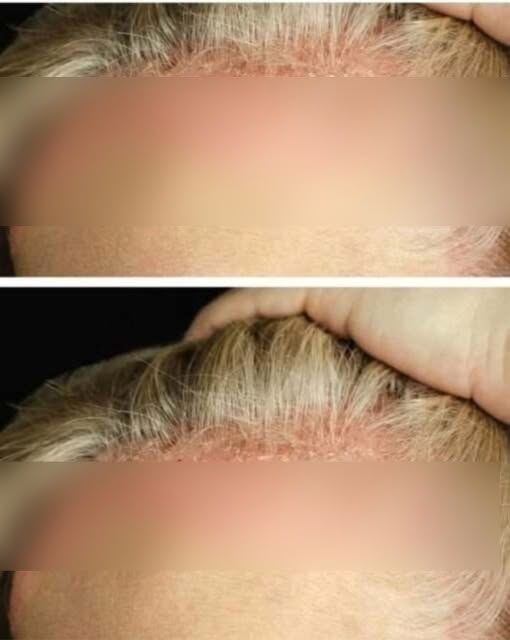
Bathing with very hot water may feel relaxing, but frequent hot showers can dry the skin, worsen irritation, and affect how your body responds to heat.
A hot shower can feel incredibly comforting after a long day. The warmth may help you relax, loosen tight muscles, and make you feel refreshed. But if the water is very hot, spending a long time under it regularly may have some unwanted effects.
The issue isn’t that warm showers are automatically harmful. The bigger concern is water temperature, shower duration, and how frequently you expose your skin and body to excessive heat.
Here are some of the common consequences of regularly bathing in very hot water and how to make your shower routine gentler on your skin.
1. It Can Dry Out Your Skin
One of the most noticeable effects of very hot water is dry skin.
Your skin has a natural protective barrier containing oils and lipids that help keep moisture inside. Very hot water can remove some of these surface oils, leaving the skin feeling tight or dry after bathing.
You may notice:
- Tightness after showering
- Flaky skin
- Rough patches
- Increased sensitivity
- Itching
People who already have naturally dry or sensitive skin may notice these effects more strongly.
2. It May Make Itchy Skin Worse
A very hot shower can temporarily feel soothing when your skin is itchy, but the relief may not last.
Heat can increase dryness and irritation, potentially creating a cycle in which you feel the urge to take another hot shower for temporary relief.
If your skin frequently feels itchy after bathing, switching to comfortably warm rather than very hot water may help.
3. It Can Irritate Sensitive Skin
Very hot water can be particularly uncomfortable for people with sensitive or easily irritated skin.
Repeated exposure may leave the skin looking red or feeling uncomfortable. Fragranced soaps, harsh scrubs, and long showers can add to the irritation.
A gentler routine can make a significant difference.
4. It May Leave Your Hair and Scalp Dry
Your scalp also contains natural oils.
Very hot water can strip away some of these oils, potentially leaving the scalp feeling dry. Hair may also feel rough or less manageable when excessive heat and harsh cleansing are combined.
If your scalp becomes dry after showering, consider:
- Using lukewarm water
- Avoiding very long showers
- Choosing a gentle shampoo
- Applying conditioner to the lengths of your hair
- Avoiding excessive scrubbing
5. You May Feel Dizzy or Lightheaded
Very hot water can cause blood vessels near the skin to widen. Combined with prolonged exposure to heat, this can contribute to a temporary drop in blood pressure in some people.
As a result, some people may feel:
- Lightheaded
- Weak
- Dizzy
- Nauseated
- Unsteady when standing
This is one reason it’s important to be careful when getting out of a very hot bath or shower.
If you feel dizzy, sit down or get out safely and cool down rather than continuing to expose yourself to the heat.
6. Long Hot Baths Can Leave You Feeling Dehydrated
Spending a long time in a very hot environment can increase sweating and fluid loss.
Although an ordinary shower isn’t usually a major source of dehydration, a very hot, prolonged bath can contribute to fluid loss, particularly if you are already thirsty or haven’t been drinking enough fluids.
7. It Can Make Redness More Noticeable
Heat temporarily increases blood flow to the skin.
That’s why your skin may look red after a very hot shower. For people whose skin is prone to flushing or irritation, excessive heat may make redness more noticeable.
If you regularly notice significant redness after bathing, reducing the water temperature may help.
8. It May Worsen Certain Skin Conditions
People with conditions involving dry, irritated, or sensitive skin may find that very hot showers make their symptoms more uncomfortable.
Heat isn’t necessarily the underlying cause of a skin condition, but excessive heat can aggravate dryness and irritation in some individuals.
If you have persistent itching, rash, cracking, swelling, or unexplained skin changes, it’s better to discuss them with a healthcare professional rather than relying on changes in bathing temperature alone.
9. It Can Make You Feel Overheated
A very hot bath can raise your body temperature temporarily.
You may feel comfortable while you’re in the water but overheated afterward, particularly if the bathroom is already warm.
This can be more noticeable during hot weather.
10. Extremely Hot Water Can Cause Burns
The most serious risk of excessively hot bathing water is a thermal burn.
Water does not need to be boiling to damage skin. The risk depends on temperature and how long the skin is exposed.
Children and older adults can be particularly vulnerable because they may have more difficulty recognizing or responding quickly to excessive heat.
Always check bath water before allowing a child to enter.
Is Hot Water Completely Bad?
No.
There’s an important difference between comfortably warm water and extremely hot water.
A warm shower can be relaxing and is generally well tolerated by most healthy adults. The concern is repeated exposure to water that is so hot that it leaves the skin red, painful, excessively dry, or makes you feel dizzy.
You don’t need to take cold showers to protect your skin.
Simply lowering the temperature from very hot to comfortably warm can be a practical change.
How to Make Your Shower More Skin-Friendly
You don’t have to give up relaxing showers. Try these simple changes instead.
Keep Showers Reasonably Short
Long exposure to hot water can contribute to dryness. A shorter shower is generally easier on the skin than spending a prolonged period under very hot water.
Choose Lukewarm or Comfortably Warm Water
The water should feel warm and comfortable rather than painfully hot.
Moisturize After Bathing
After gently patting your skin dry, apply a fragrance-free moisturizer while the skin is still slightly damp.
This can help reduce moisture loss and support the skin barrier.
Avoid Aggressive Scrubbing
You don’t need to scrub your skin forcefully to get clean. Excessive rubbing can contribute to irritation, especially when combined with hot water.
Use Gentle Cleansers
Strongly fragranced or harsh cleansers can make dry skin feel worse. A mild cleanser may be more comfortable if your skin tends to become dry.
What About Cold Showers?
Cold showers are not required simply because very hot showers can be drying.
Some people enjoy cool water because it feels refreshing, especially in hot weather. Others find warm water more comfortable.
For everyday bathing, the goal doesn’t need to be extremely hot or extremely cold. Comfortably warm water is a reasonable middle ground for most people.
When Should You Be Concerned?
If bathing repeatedly causes severe dizziness, fainting, chest discomfort, breathing difficulty, significant weakness, or burns, stop the exposure and seek appropriate medical care.
Persistent itching, rash, severe dryness, or skin changes should also be evaluated if they don’t improve with a gentler bathing routine.
Final Thoughts
A hot bath can be one of life’s simplest pleasures, but very hot water isn’t necessarily better. Frequent exposure can dry the skin, increase irritation, cause temporary redness, and make some people feel dizzy or overheated.
The good news is that you don’t need to completely change your routine. Try using comfortably warm water, keeping showers reasonably short, avoiding aggressive scrubbing, and moisturizing afterward.
For most people, these small adjustments can make bathing both relaxing and gentler on the skin.