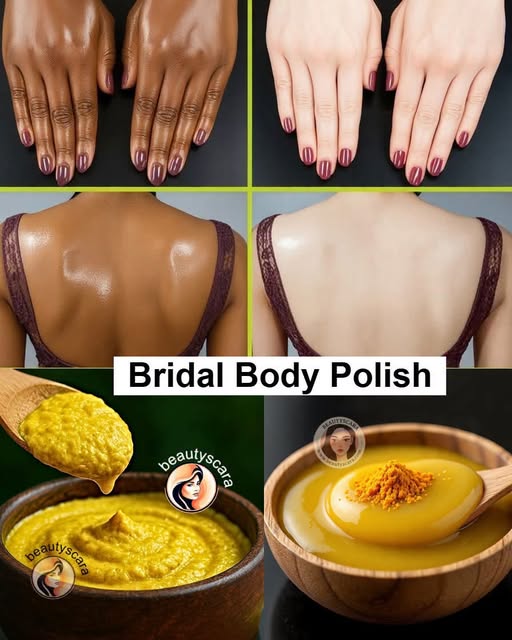
Learn how to make a gentle homemade herbal bath powder with gram flour, oats, rose powder, and other skin-friendly ingredients for a fresh glow.
Bridal skincare does not always have to involve expensive products or complicated routines. For generations, homemade ubtan has been used in South Asian beauty traditions as a simple way to cleanse and gently exfoliate the skin before special occasions.
A homemade herbal bath powder can be especially appealing if you prefer simple ingredients and want to reduce your dependence on heavily fragranced body scrubs.
This traditional-style ubtan can help remove surface buildup, leave the skin feeling softer, and give it a temporarily brighter, fresher appearance. It cannot permanently change your natural skin tone or guarantee clear skin, but it can be a pleasant addition to a gentle skincare routine.
What Is Ubtan?
Ubtan is a traditional South Asian skincare mixture commonly made from powdered ingredients such as gram flour, herbs, grains, and spices.
Traditionally, it has been used before weddings and celebrations as a body-cleansing and exfoliating treatment.
Modern versions can be adapted to make them gentler for today’s skincare needs.
The key is to avoid harsh scrubbing and irritating ingredients, particularly if your skin is sensitive.
Homemade Herbal Bath Powder Recipe
Ingredients
- 1 cup gram flour (besan)
- ½ cup finely ground oats
- 2 tablespoons dried rose petal powder
- 1 tablespoon finely powdered sandalwood, optional
- 1 tablespoon dried orange peel powder
- 1 teaspoon turmeric powder
- 1 tablespoon powdered milk, optional
Make sure every ingredient is completely dry before mixing and storing.
Why These Ingredients Are Used
Gram flour: Traditionally used as a cleansing base and can help absorb excess oil from the skin.
Oats: Finely ground oats are a gentle option for physical exfoliation and can help leave the skin feeling smoother.
Rose powder: Adds a pleasant botanical element and is commonly used in traditional skincare.
Sandalwood powder: Traditionally used in ubtan preparations, although some people may be sensitive to botanical powders.
Orange peel powder: Provides a fragrant, plant-based ingredient, but it can be irritating for some sensitive skin types.
Turmeric: Used traditionally in South Asian skincare. Because turmeric can stain the skin temporarily, only a small amount is needed.
Milk powder: Adds softness to the mixture, although people with sensitive skin or milk allergies may prefer to leave it out.
How to Make the Bath Powder
- Place the gram flour and finely ground oats in a clean, dry bowl.
- Add the rose powder and optional sandalwood and orange peel powders.
- Add a small amount of turmeric.
- Mix everything thoroughly.
- Sift the powder if any ingredients feel coarse.
- Transfer the finished powder to a completely dry, airtight container.
Keep moisture out of the container because introducing water into the stored mixture can encourage spoilage.
How to Use Ubtan on the Body
Take approximately 2–3 tablespoons of the powder and place it in a small bowl.
Add enough plain water, milk, or plain yogurt to create a soft paste.
For sensitive skin, plain water is the simplest option.
Application
- Wet your skin with lukewarm water.
- Apply a thin layer of the ubtan paste.
- Leave it on for only a few minutes rather than allowing it to become extremely dry and tight.
- Wet your hands again.
- Gently massage the mixture with very light pressure.
- Rinse thoroughly.
- Pat the skin dry.
- Apply a fragrance-free moisturizer afterward.
The goal is gentle cleansing, not aggressive scrubbing.
How Often Should You Use It?
For most people, once or twice a week is plenty.
Using a physical scrub every day can irritate the skin and cause dryness, redness, or sensitivity.
If your skin becomes tight, itchy, burning, or unusually red after using the ubtan, stop using it.
A Simple Bridal Skincare Routine
If you’re preparing for a wedding, consistency is usually more useful than trying several new treatments at the last minute.
Morning
- Use a gentle cleanser if needed.
- Apply moisturizer.
- Use broad-spectrum sunscreen on exposed skin.
Evening
- Cleanse gently.
- Moisturize.
- Keep your routine simple and consistent.
Once or Twice a Week
Use your homemade ubtan on the body if your skin tolerates it.
Avoid introducing several new products immediately before the wedding. A reaction shortly before an important event can be much more troublesome than having a simple routine.
Can Ubtan Make Skin Fairer?
Ubtan should not be promoted as a way to permanently make someone’s natural skin color lighter.
What it can potentially do is remove surface flakes and buildup, making the skin temporarily appear cleaner, smoother, and more radiant.
Your natural skin tone is determined largely by genetics and melanin. No homemade powder can safely and permanently change it.
Important Safety Tips
Natural does not automatically mean irritation-free.
Before using a homemade mixture over a large area, test a small amount on an inconspicuous patch of skin.
Be especially careful if you have:
- Very sensitive skin
- Eczema
- Active rashes
- Open cuts
- Sunburn
- Recently waxed or shaved skin
- A history of allergic reactions
Do not scrub over irritated skin.
Avoid applying the mixture around the eyes or on delicate genital skin.
Be Careful With Lemon Juice
Many traditional DIY skincare recipes recommend adding fresh lemon juice.
It is better to skip it.
Lemon juice is acidic and can irritate the skin. Citrus exposure can also cause skin reactions when followed by sunlight in some circumstances.
You do not need lemon juice to make an effective gentle body scrub.
Keep the Powder Dry
One of the biggest advantages of a dry bath powder is that you can prepare the mixture in advance.
However, store it correctly.
Use:
- A clean airtight jar
- A completely dry spoon
- Dry hands when handling the powder
- A cool, dry storage area
Do not pour water or wet ingredients directly into the storage container.
Instead, remove the amount you need and make a fresh paste each time.
Can You Use This on Your Face?
You can, but caution is important.
Facial skin is often more sensitive than the skin on the arms or legs. Physical exfoliation can be irritating, particularly if you have acne, rosacea, eczema, or a damaged skin barrier.
If you decide to use an ubtan-style mixture on your face, keep the powder extremely fine, avoid vigorous rubbing, and stop immediately if you experience burning or irritation.
For sensitive facial skin, a gentle cleanser and moisturizer are often a safer everyday choice.
Final Thoughts
Homemade herbal bath powder can be a lovely traditional addition to a self-care routine, especially before a special occasion.
A simple mixture of besan, finely ground oats, rose powder, and small amounts of other botanical ingredients can provide gentle cleansing and exfoliation while leaving the skin feeling soft.
The best bridal skincare routine, however, is not necessarily the one with the most ingredients. Gentle cleansing, regular moisturizing, sun protection, adequate sleep, hydration, and avoiding irritating last-minute treatments can do much more for healthy-looking skin.
And remember: the goal of skincare should be healthy, comfortable, well-cared-for skin—not changing your natural complexion.
Frequently Asked Questions
Can I use this ubtan every day?
It is better not to. Once or twice a week is generally sufficient for a physical exfoliating treatment.
Can I use it before my wedding?
Yes, provided you have already tested it and your skin tolerates it. Avoid trying a brand-new DIY treatment for the first time immediately before the wedding.
Can I add honey?
A small amount of honey can be mixed into a single-use batch if you tolerate it, but there is no need to add it to the dry storage mixture.
Can this remove tanning?
Gentle exfoliation may remove some surface dead skin and make skin look fresher, but it cannot instantly or permanently remove a tan.
Can men use this herbal bath powder?
Yes. Ubtan is not limited to bridal or women’s skincare. Anyone can use a gentle body exfoliating powder if their skin tolerates the ingredients.
How long can I store the dry powder?
Because homemade mixtures do not contain professional preservatives, make relatively small batches and keep them completely dry. Discard the mixture if it develops an unusual smell, changes appearance, or becomes contaminated with moisture.