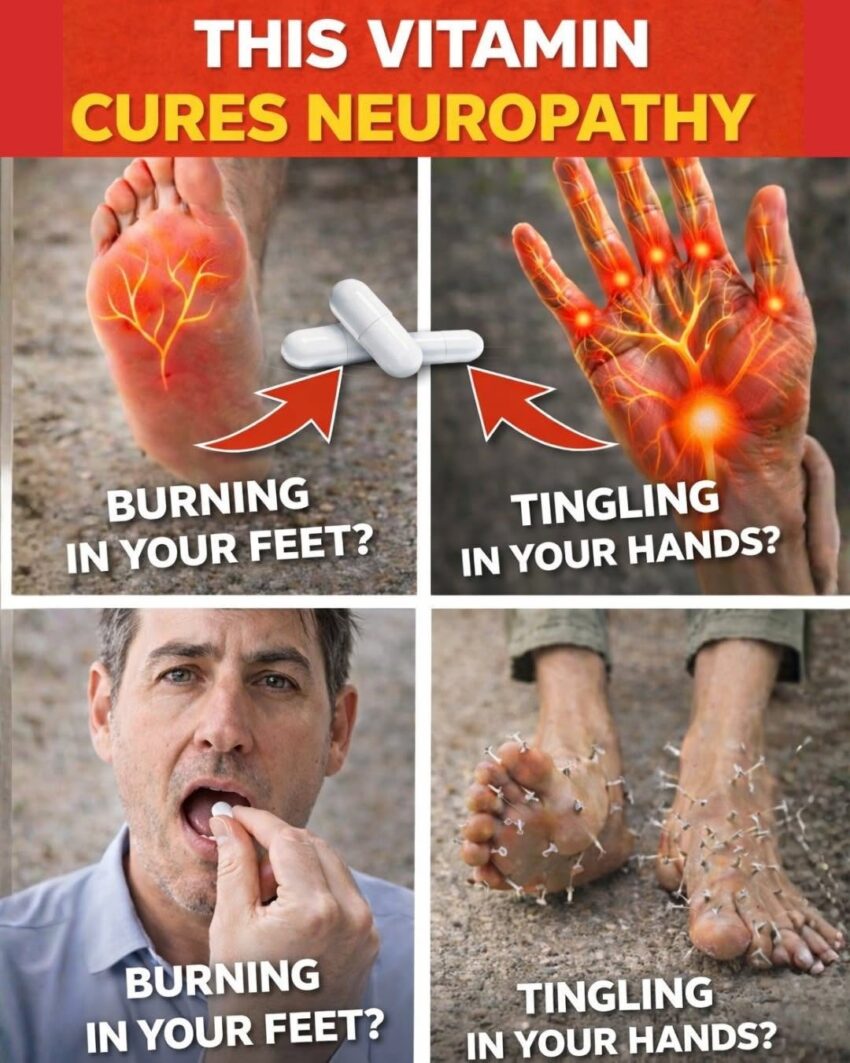
Burning, tingling, numbness, or pain in the hands and feet can be signs of peripheral neuropathy. While many different conditions can cause nerve problems, one nutritional deficiency deserves particular attention: vitamin B12 deficiency.
But there’s an important point that often gets missed online: vitamin B12 is not a universal cure for neuropathy. It can help when nerve symptoms are caused by a B12 deficiency, but taking extra B12 won’t necessarily repair nerve damage caused by diabetes, chemotherapy, alcohol, nerve compression, or other conditions.
Why Is Vitamin B12 Important for Your Nerves?
Vitamin B12 plays an important role in maintaining healthy nerve cells and producing DNA and red blood cells.
When someone is significantly deficient in B12, the nervous system can be affected. Symptoms may include:
- Tingling or pins-and-needles sensations
- Numbness
- Burning sensations
- Muscle weakness
- Problems with balance or walking
- Fatigue
- Changes in concentration or memory
In some cases, neurological problems can become persistent if a deficiency isn’t recognized and treated promptly.
Who Is More Likely to Have B12 Deficiency?
B12 deficiency can occur for several reasons, including:
- Following a strict vegan diet without reliable B12 supplementation
- Problems absorbing B12 from food
- Certain stomach or intestinal disorders
- Previous gastrointestinal surgery
- Long-term use of some medications
- Older age
Because the cause matters, simply taking a supplement isn’t always enough. A healthcare professional may need to determine why your B12 level is low.
How Is B12 Deficiency Treated?
Treatment depends on the severity and underlying cause.
Some people can correct a deficiency with oral B12 supplements, while others—particularly people with significant absorption problems or severe deficiency—may require injections.
A healthcare professional may check blood tests such as vitamin B12 levels, complete blood count, and sometimes methylmalonic acid, depending on the situation.
What If Your B12 Level Is Normal?
If you have neuropathy but aren’t deficient in B12, taking large doses of B12 is unlikely to solve the underlying problem.
Other common causes of peripheral neuropathy include:
- Diabetes
- Certain medications or chemotherapy
- Alcohol-related nerve damage
- Kidney disease
- Thyroid disorders
- Autoimmune conditions
- Nerve compression
- Other nutritional deficiencies
- Certain infections
Finding the cause is much more important than simply choosing a vitamin.
A Warning About Vitamin B6
When people search for vitamins for neuropathy, they often encounter vitamin B6 supplements.
This deserves caution.
Although B6 is essential for normal nerve function, excessive B6 supplementation can itself cause peripheral neuropathy. Taking high-dose “nerve support” products without medical guidance can therefore make the problem worse.
More vitamins aren’t necessarily better.
Can Nerve Damage Be Reversed?
It depends on the cause.
If neuropathy is caused by a vitamin deficiency and treatment begins early, nerve function may improve. However, recovery can take time, and longstanding nerve damage may not completely reverse.
For other causes, treatment focuses on controlling the underlying disease and managing symptoms.
When Should You See a Doctor?
Don’t ignore persistent numbness, tingling, or burning in your hands or feet.
Seek medical evaluation especially if symptoms are:
- Getting progressively worse
- Affecting your walking or balance
- Associated with muscle weakness
- Causing frequent falls
- Suddenly appearing
- Accompanied by loss of bladder or bowel control or other neurological symptoms
A clinician can determine whether you actually have neuropathy and investigate its cause.
The Bottom Line
Vitamin B12 is an important vitamin for nerve health, and correcting a B12 deficiency can help prevent or potentially improve deficiency-related nerve damage.
However, there is no single vitamin that can reliably “heal” all neuropathy. If you have burning, numbness, or pain in your hands and feet, getting the underlying cause diagnosed is the most important step.
And before taking high-dose vitamin supplements, talk with a healthcare professional—especially if you’re already taking medications or multiple supplements.
Medical disclaimer: This article is for educational purposes only and is not a diagnosis or substitute for individualized medical advice.