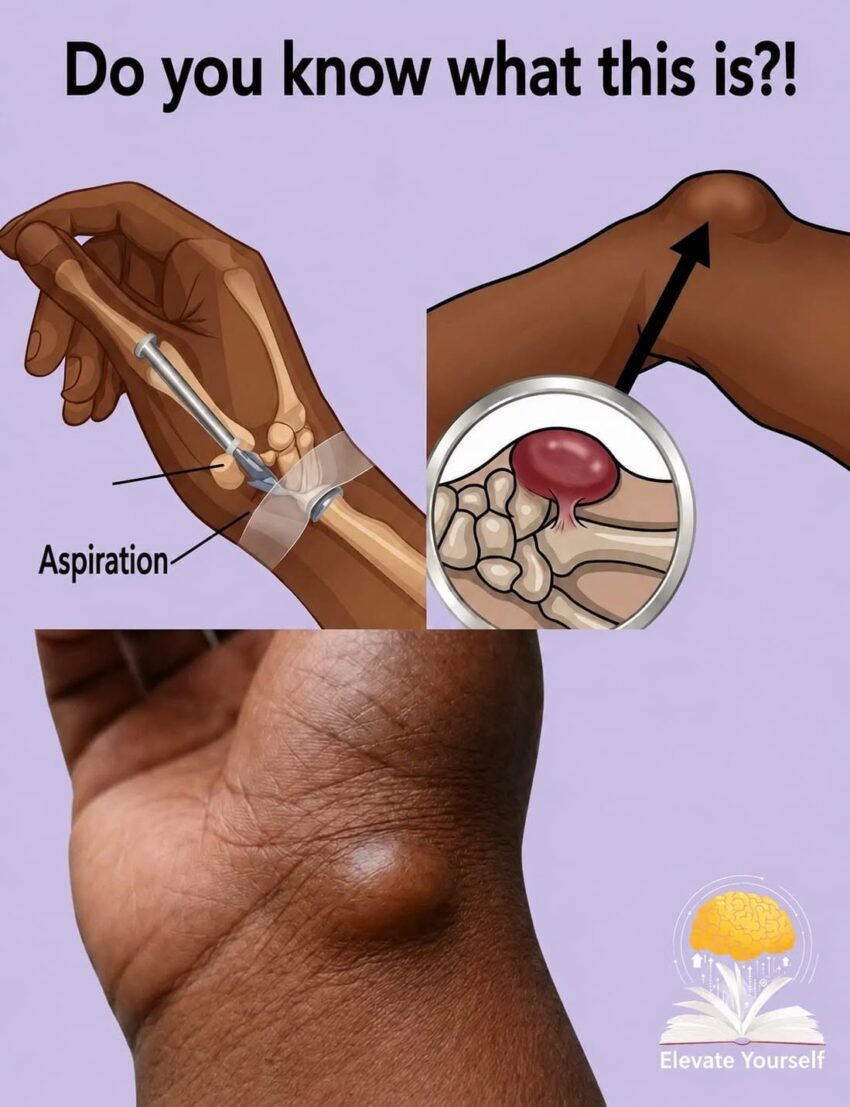
Found a lump on your wrist? Before squeezing, pressing, or trying to pop it, learn what may cause wrist lumps, when touching them can make things worse, and when you should see a doctor.
5 Things You Should Know Before Touching a Lump on Your Wrist
A small lump on the wrist can be surprisingly worrying. You may notice it while washing your hands, typing, exercising, or simply looking at your wrist. Your first instinct might be to press it, massage it, squeeze it, or try to make it disappear.
But a wrist lump is not always something that should be touched or treated at home.
Many wrist lumps are harmless, and one of the most common causes is a ganglion cyst—a fluid-filled lump that can develop near a joint or tendon. However, other conditions can also cause swelling or a noticeable mass. Because you cannot reliably identify the cause simply by feeling it, aggressive handling can sometimes cause unnecessary pain, inflammation, or injury.
Here are five important things to know before touching a lump on your wrist.
1. Not Every Wrist Lump Is the Same
The word “lump” describes what you can see or feel, not a specific diagnosis.
A wrist lump may be caused by a ganglion cyst, which commonly appears around the wrist or hand. It may feel smooth or somewhat firm and can change in size over time. Some ganglion cysts cause no symptoms at all, while others can produce aching, discomfort, or pressure.
Other possibilities include inflammation around a tendon, arthritis-related changes, a benign growth, or—in less common situations—another type of mass.
This is why repeatedly pressing a lump to determine what it is isn’t a reliable way to diagnose it.
2. Don’t Try to Pop or Crush It
One of the biggest mistakes people make is attempting to burst a wrist lump themselves.
You may have heard that a ganglion cyst can be “popped” by hitting it with a heavy object. This is not a safe home treatment.
Trying to crush or puncture a lump can injure nearby tissues, blood vessels, nerves, or tendons. It can also cause bleeding, infection, and additional inflammation.
Even if the lump becomes smaller afterward, that doesn’t necessarily mean the underlying problem has been permanently solved.
The safer approach is to leave the lump alone until you know what it is.
3. Pay Attention to Pain, Numbness, and Weakness
The size of a lump isn’t the only thing that matters.
A relatively small lump can sometimes cause symptoms if it presses against nearby structures. The wrist contains important nerves, tendons, blood vessels, and joints in a relatively small area.
Seek medical advice if the lump is associated with:
- Persistent or worsening pain
- Numbness or tingling in the hand or fingers
- Weakness or difficulty gripping objects
- Reduced wrist movement
- Increasing swelling
- Significant tenderness
- Changes in the skin over the lump
These symptoms don’t automatically mean something serious is happening, but they are reasons to have the wrist examined rather than repeatedly manipulating the lump.
4. Watch for Changes Instead of Constantly Checking It
It’s understandable to keep touching a new lump because you’re worried about it. Unfortunately, repeatedly squeezing or pressing the area can make it more irritated and tender.
Instead, pay attention to useful changes.
For example, note whether the lump:
- Is getting larger
- Changes size with activity
- Becomes painful
- Appears suddenly after an injury
- Becomes red or warm
- Affects movement
- Is accompanied by numbness or weakness
If necessary, you can take an occasional photograph to compare its appearance over time rather than repeatedly pressing it.
5. Know When a Doctor Should Examine It
Many wrist lumps are not emergencies, but an unexplained lump that persists should not simply be ignored—especially if it is changing or causing symptoms.
A healthcare professional can examine its location, size, consistency, and movement and determine whether further evaluation is needed. In some cases, imaging such as an ultrasound or X-ray may help identify what is causing the swelling.
Get prompt medical attention if a lump is accompanied by severe pain, rapidly increasing swelling, significant redness or warmth, fever, loss of sensation, marked weakness, or a major injury.
A lump that appears after an injury may also need assessment, particularly if the wrist is difficult to move or looks deformed.
What About a Ganglion Cyst?
Ganglion cysts are among the more common causes of lumps around the wrist. They contain a jelly-like fluid and can sometimes become more noticeable with certain wrist movements.
Some cause no problems and may eventually become smaller without treatment. Others can be painful or interfere with normal activities.
Treatment depends on the individual situation. A healthcare professional may recommend observation when symptoms are mild. If a cyst is painful or interfering with function, medical treatments may be considered.
Importantly, home attempts to puncture, squeeze, hit, or drain a suspected cyst are not recommended.
Should You Massage a Wrist Lump?
It’s better not to aggressively massage an unexplained lump.
Gentle movement of the wrist may be appropriate for some conditions, but massaging directly over an unknown mass can irritate already sensitive tissue. If the lump is painful, inflamed, or associated with nerve symptoms, avoid repeatedly manipulating it until you’ve received medical advice.
The Bottom Line
A lump on your wrist is often caused by a relatively harmless condition, but the appearance of a lump alone isn’t enough to determine what it is.
Before touching it repeatedly, remember these five points:
- A wrist lump can have several different causes.
- Don’t try to pop, crush, or puncture it yourself.
- Pain, numbness, tingling, or weakness deserve attention.
- Monitor changes instead of constantly squeezing it.
- See a healthcare professional if it persists, grows, becomes painful, or develops concerning symptoms.
The safest rule is simple: don’t try to make an unexplained wrist lump disappear before you know what you’re dealing with. A proper examination can often provide much more useful information than repeated squeezing or pressing.