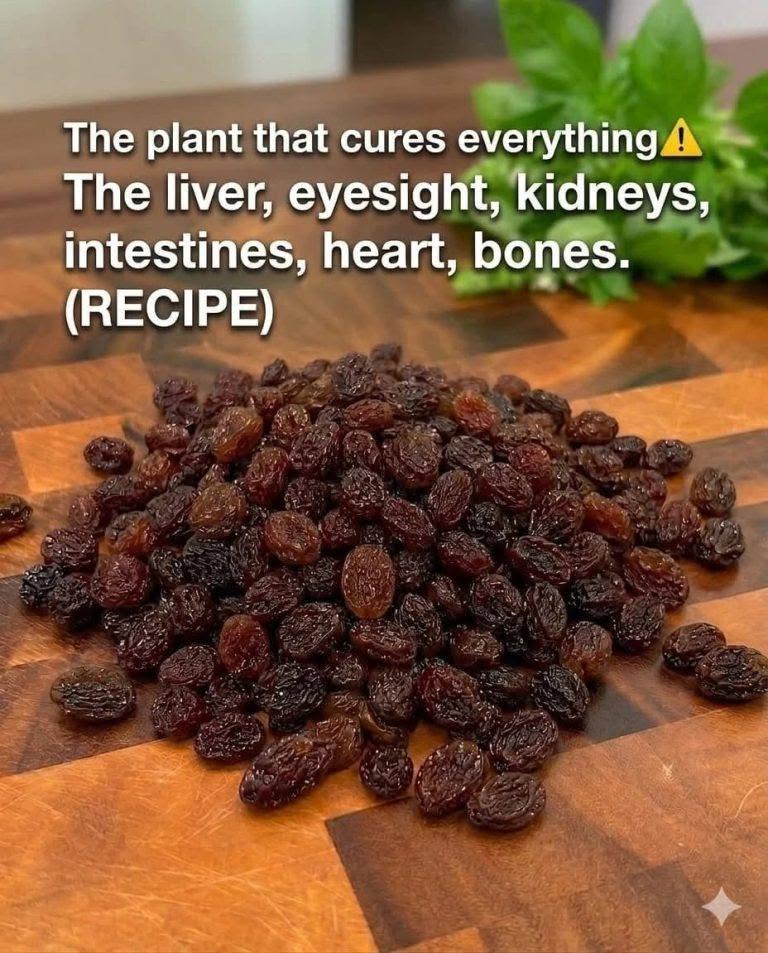
One plant is often promoted as a natural remedy for the liver, kidneys, eyesight, digestion, heart, and bones. Discover what the plant may actually offer and why it cannot cure every disease.
There is always another “miracle plant” making the rounds online—one that supposedly protects the liver, cleanses the kidneys, improves eyesight, strengthens bones, heals the intestines, and protects the heart.
It sounds almost too good to be true.
And that’s because claims that a single plant can cure every one of these conditions are not supported by good medical evidence.
However, some plants really do contain nutrients and natural compounds that can contribute to overall health. One example is moringa, a nutrient-rich plant that has attracted considerable interest because of its vitamins, minerals, antioxidants, and other plant compounds.
But there is a big difference between supporting normal health and curing diseases.
Why Is Moringa So Popular?
Moringa leaves contain a variety of nutrients and plant compounds, including vitamins, minerals, antioxidants, and polyphenols.
Traditionally, different parts of the moringa plant have been used in food and traditional medicine.
Today, moringa is commonly sold as:
- Fresh leaves
- Dried leaves
- Powder
- Tea
- Capsules
- Extracts
Its nutritional content is one reason it has become popular as a wellness food.
Can Moringa “Cleanse” the Liver?
The liver naturally performs its own detoxification functions.
There is no need for a special herb or drink to “flush toxins” from a healthy liver.
Laboratory and animal research has investigated antioxidant and other biological effects of moringa compounds, but that does not establish moringa as a treatment for liver disease in humans.
If someone has abnormal liver tests, fatty liver disease, hepatitis, or another liver condition, they should seek appropriate medical evaluation rather than relying on herbal remedies.
What About the Kidneys?
Moringa should not be thought of as a kidney cleanser.
The kidneys continuously filter waste and regulate fluids and minerals in the body.
While a nutritious diet can support overall health, there isn’t good evidence that drinking moringa tea or taking moringa powder can “clean” damaged kidneys or cure kidney disease.
People with kidney problems should be particularly careful with concentrated supplements because their mineral and medication needs can be different.
Could It Help the Heart?
A healthy diet rich in vegetables and other nutrient-dense foods is associated with better cardiovascular health.
Moringa contains antioxidant compounds that researchers have studied for their potential biological effects.
But eating moringa is not a substitute for controlling established heart-disease risk factors such as high blood pressure, high cholesterol, smoking, diabetes, or physical inactivity.
A plant supplement cannot replace prescribed heart medication.
Does Moringa Improve Eyesight?
Moringa leaves contain nutrients involved in normal body functions, including compounds related to vitamin A nutrition.
Vitamin A is important for normal vision.
However, that doesn’t mean moringa can restore damaged eyesight or cure eye diseases.
If your vision suddenly becomes blurry, distorted, painful, or significantly worse, you should have your eyes examined rather than attempting to treat the problem with herbs.
What About Bones?
Moringa leaves contain minerals and other nutrients that can contribute to a balanced diet.
Strong bones depend on many factors, including adequate calcium and vitamin D, physical activity, hormones, age, and overall nutrition.
Eating a nutritious diet can support bone health, but moringa alone cannot reverse osteoporosis or repair a fracture.
Can It Heal the Intestines?
Moringa has been investigated for various digestive and biological effects, but claims that it can “heal the intestines” are much stronger than the available evidence supports.
Persistent abdominal pain, ongoing diarrhea, blood in the stool, unexplained weight loss, or prolonged changes in bowel habits require proper medical evaluation.
A herbal powder shouldn’t be used to mask potentially important symptoms.
How Can Moringa Be Used?
For most people who enjoy it as a food, moringa leaves can be incorporated into meals in modest amounts.
Moringa powder is also commonly added to foods or drinks.
Because supplements are more concentrated than ordinary food, it’s important to follow the product’s instructions and avoid assuming that a larger amount will provide greater benefits.
Who Should Be Careful?
People who are pregnant, breastfeeding, taking prescription medication, or living with chronic medical conditions should talk with a healthcare professional before using concentrated herbal supplements.
Herbs can have biological effects and may interact with certain medications.
“Natural” doesn’t automatically mean “safe for everyone.”
The Real Lesson
The most important lesson isn’t that there is one magical plant capable of curing every disease.
There isn’t.
What makes plants such as moringa interesting is that they can provide nutrients and naturally occurring plant compounds as part of an overall healthy diet.
Your liver, kidneys, heart, eyes, bones, and digestive system all have different needs. Supporting them usually requires a combination of nutritious food, adequate sleep, physical activity, appropriate medical care, and healthy lifestyle habits.
So enjoy nutrient-rich plants as part of a balanced diet—but be skeptical of anyone promising that one herb can cure everything.