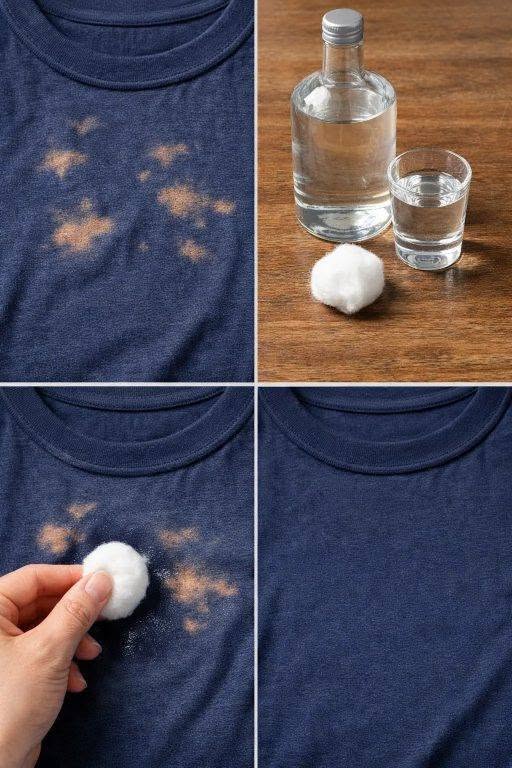
Got bleach stains on your favorite clothes? Learn why bleach causes permanent discoloration, what you can do to minimize the damage, and how to restore or repurpose stained garments.
Bleach is excellent for disinfecting and whitening certain fabrics, but a small splash can quickly leave an unwanted mark on colored clothing. Unfortunately, what looks like a stain usually isn’t a stain at all—bleach removes or chemically alters the fabric’s dye.
That means ordinary stain removers usually can’t simply wash the mark away. But don’t throw your clothes out just yet. There are several ways to improve the appearance.
Why Does Bleach Leave Stains?
Chlorine bleach is a powerful oxidizing agent. When it comes into contact with dyed fabric, it can break down the pigments responsible for the clothing’s color.
That’s why a black shirt might develop an orange or reddish patch, while other colors may turn yellow, pink, or pale.
The important point: bleach damage is generally color loss, not something sitting on top of the fabric.
What Should You Do Immediately?
If bleach has just splashed onto colored clothing, act quickly.
1. Rinse the Area Thoroughly
Immediately rinse the affected area under plenty of cool running water.
This helps remove remaining bleach from the fibers and can limit continued chemical damage.
2. Wash the Garment
After thoroughly rinsing it, wash the clothing according to its care label.
Don’t mix bleach with other cleaning products, particularly ammonia, acids, or acidic cleaners, because dangerous gases can be produced.
Can You Completely Remove a Bleach Mark?
Usually, no.
Once bleach has removed the dye, washing cannot put the original color back.
However, you may be able to make the garment look much better.
Option 1: Use Fabric Dye
For a larger bleach mark, dyeing the entire garment can sometimes provide the best result.
Choose a dye compatible with the fabric type and follow the manufacturer’s instructions.
Keep in mind that synthetic fabrics can be more difficult to dye than natural fibers such as cotton.
Option 2: Use a Fabric Marker
For a small spot, a fabric marker in a matching shade can camouflage the discoloration.
Test the color on an inconspicuous area first because the finished shade may look different once it dries.
Option 3: Turn the Damage Into a Design
If the garment has several bleach spots, you can intentionally create a tie-dye or bleach-pattern effect.
This can transform accidental marks into a deliberate design rather than trying to hide every spot.
Option 4: Add a Patch or Embroidery
For clothing where the damaged area is noticeable, embroidery, an iron-on patch, or decorative stitching can provide an easy solution.
What About Baking Soda, Vinegar, or Lemon Juice?
You’ll find many online remedies claiming that household ingredients can reverse bleach stains.
Unfortunately, once the fabric’s dye has been chemically removed, baking soda, vinegar, lemon juice, and similar remedies cannot restore the original pigment.
Some combinations can also create unwanted chemical reactions. Avoid experimenting with mixtures of household cleaning products.
How to Prevent Bleach Damage
A few simple precautions can save your clothes:
- Wear old clothing when cleaning with bleach.
- Keep bleach away from colored fabrics.
- Follow the product’s dilution instructions.
- Store bleach securely.
- Never mix bleach with ammonia, vinegar, acids, or other cleaning products.
- Check clothing-care labels before using bleach.
Final Thoughts
A bleach mark isn’t really a conventional stain—it’s usually permanent color loss. Acting quickly by rinsing the garment can minimize further damage, but the original color generally cannot be washed back into the fabric.
For an existing mark, your best options are fabric dye, a matching fabric marker, embroidery, a patch, or turning the garment into a new design.
And when working with bleach, remember: never mix it with other household cleaners. Safety should always come first.