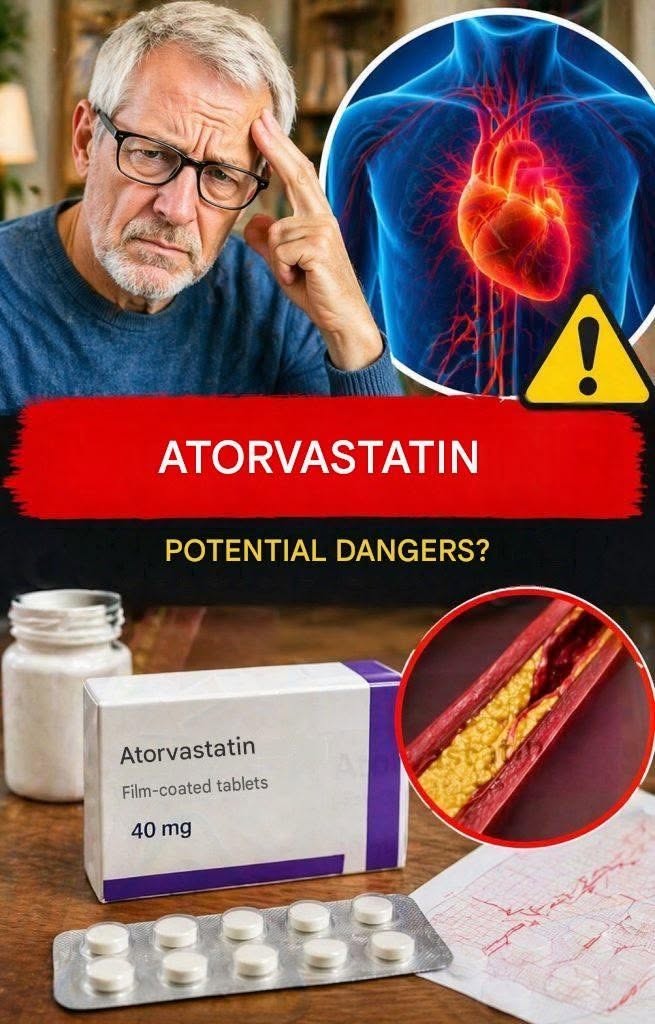
Atorvastatin is an effective cholesterol-lowering medicine, but like all medications, it can cause side effects. Learn about 15 possible reactions—from digestive problems and muscle symptoms to rare liver and muscle complications—and when to seek medical advice.
15 Little-Known Side Effects of Atorvastatin That You Should Be Aware Of
Atorvastatin is a commonly prescribed statin that lowers LDL (“bad”) cholesterol and helps reduce the risk of heart attacks and strokes. Most people tolerate it well, but side effects can occur, ranging from relatively mild symptoms to rare complications requiring urgent medical attention.
It is also important to put side-effect claims into perspective. A large 2026 analysis of randomized trials found that many symptoms commonly attributed to statins did not occur more often with statins than with placebo. The best-established risks include muscle problems and small increases in blood-glucose levels.
Here are 15 possible effects worth knowing about.
1. Muscle aches and soreness
Muscle pain is one of the better-known potential effects of atorvastatin. It may feel like generalized soreness, aching, tenderness, or discomfort in the arms or legs.
Persistent or unexplained muscle symptoms should be discussed with a healthcare professional rather than simply ignored.
2. Muscle weakness
Some people may experience unusual weakness along with muscle discomfort. More severe muscle weakness can be a warning sign of muscle injury and deserves prompt medical assessment.
3. Muscle cramps
Leg or other muscle cramps can occur while taking atorvastatin. If cramps become severe, persistent, or are accompanied by weakness or dark urine, medical attention is important.
4. Digestive problems
Atorvastatin can cause gastrointestinal symptoms such as:
- Constipation
- Diarrhea
- Indigestion
- Gas
- Nausea
These are generally mild, but persistent symptoms should be discussed with a doctor or pharmacist.
5. Headaches
Headache is listed among the common side effects of atorvastatin. If headaches are new, severe, or persistent, don’t automatically assume the medicine is responsible—other causes should also be considered.
6. Dizziness
Some people report dizziness while taking atorvastatin. If you feel dizzy, particularly when driving or operating machinery, wait until the symptom has passed.
7. Sleep disturbances
Sleep problems have been reported among people taking statins, including atorvastatin. However, evidence from randomized trials suggests that many symptoms attributed to statins—including sleep disturbances—may not actually be caused by the medication.
8. Unusual tiredness or weakness
Fatigue is reported as a possible adverse reaction after atorvastatin’s approval. Feeling persistently exhausted, particularly when accompanied by muscle weakness or other symptoms, is worth discussing with a healthcare professional.
9. Changes in liver tests
Atorvastatin can cause elevations in liver enzymes. Significant liver injury is uncommon, but unexplained yellowing of the skin or eyes, dark urine, or other signs of liver problems require prompt medical evaluation.
10. Increased blood sugar
Statin therapy can produce a modest increase in blood glucose and can slightly increase the risk of developing diabetes, particularly in people who are already close to the diagnostic threshold. This potential risk needs to be weighed against the cardiovascular benefits of statin treatment.
11. Nerve symptoms
Rare reports have associated atorvastatin with peripheral neuropathy, which can involve symptoms such as tingling, numbness, or altered sensation. The available evidence does not mean every such symptom is caused by atorvastatin, so other causes should also be investigated.
12. Memory or concentration problems
Rare reports have described memory loss, forgetfulness, confusion, or other cognitive symptoms with statins. The FDA labeling notes that these reports were generally non-serious and reversible after discontinuation. However, newer randomized-trial evidence has found no meaningful excess of cognitive side effects compared with placebo.
13. Pancreatitis
Pancreatitis—an inflammation of the pancreas—is a rare reported adverse reaction. Severe or persistent abdominal pain, especially when accompanied by vomiting, should receive prompt medical attention.
14. Serious muscle breakdown
One of the rare but most important complications is rhabdomyolysis, a severe breakdown of muscle tissue that can damage the kidneys.
Warning signs can include:
- Severe unexplained muscle pain
- Marked muscle weakness
- Muscle tenderness
- Red, brown, or cola-colored urine
- Feeling unusually unwell
These symptoms require urgent medical assessment.
15. Severe allergic or skin reactions
Rarely, atorvastatin can cause serious allergic reactions or severe skin reactions. Swelling of the face, lips, tongue, or throat, difficulty breathing, blistering skin, or extensive peeling requires emergency medical attention.
When Should You Contact a Doctor?
Don’t ignore symptoms that are severe, unexplained, or getting worse. Severe muscle pain or weakness, dark urine, yellow skin or eyes, severe abdominal pain, difficulty breathing, or swelling of the face or throat warrant urgent medical evaluation.
Also, don’t stop atorvastatin on your own simply because you notice a possible side effect. Your doctor may be able to adjust the dose, investigate another cause, or consider a different cholesterol-lowering treatment. NHS guidance specifically recommends discussing troublesome side effects with a doctor rather than stopping treatment without advice.
The Bottom Line
Atorvastatin can cause side effects, but serious reactions are uncommon and most people tolerate statins well. The most important symptoms to recognize involve significant muscle problems and signs of liver injury. At the same time, newer evidence suggests that many symptoms historically blamed on statins occur just as often with placebo.
If you’re taking atorvastatin and develop a new or persistent symptom, talk with your doctor or pharmacist before making changes to your medication.
This article is for general educational purposes and does not replace advice from your doctor or pharmacist.