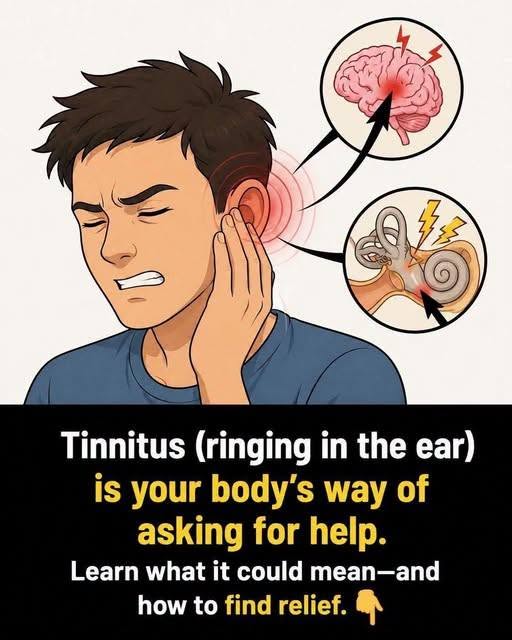
Ringing in the ears, known as tinnitus, is common and can have many causes. Learn what ear ringing may mean, when it could be a warning sign, and when to see a doctor.
Hearing a ringing, buzzing, humming, or hissing sound when there is no obvious external source can be unsettling. This experience is commonly called tinnitus.
But despite what viral posts often claim, ear ringing does not automatically mean that you will develop a specific serious disease.
What Can Cause Ringing in the Ears?
Tinnitus can happen for many different reasons, including:
- Exposure to loud music or other loud noises
- Earwax buildup
- Certain medications
- Age-related hearing changes
- Ear infections or other ear problems
- Jaw or neck problems
- Changes in hearing or the nervous system
- Sometimes, no clear cause can be identified
For some people, the ringing is temporary. For others, it may continue for weeks, months, or longer.
When Should You Take It Seriously?
You should speak with a healthcare professional if the ringing is persistent, bothersome, getting worse, or associated with hearing loss.
Seek prompt medical attention if tinnitus occurs suddenly with significant hearing loss, severe dizziness, weakness, or other neurological symptoms.
A particularly important situation is pulsatile tinnitus—a sound that seems to beat in time with your heartbeat. This deserves medical evaluation because it can sometimes be associated with blood-vessel or circulation-related problems.
Don’t Believe Every Viral Warning
A headline saying “Ear ringing means you will suffer from…” can sound frightening, but tinnitus has many possible explanations. One symptom alone cannot predict that you will develop a particular illness.
If you’ve recently noticed ringing in one or both ears, pay attention to how long it lasts, whether it’s constant or occasional, and whether you have any hearing changes or other symptoms.
Your ears may be telling you that something needs attention—but they aren’t necessarily predicting a serious disease.