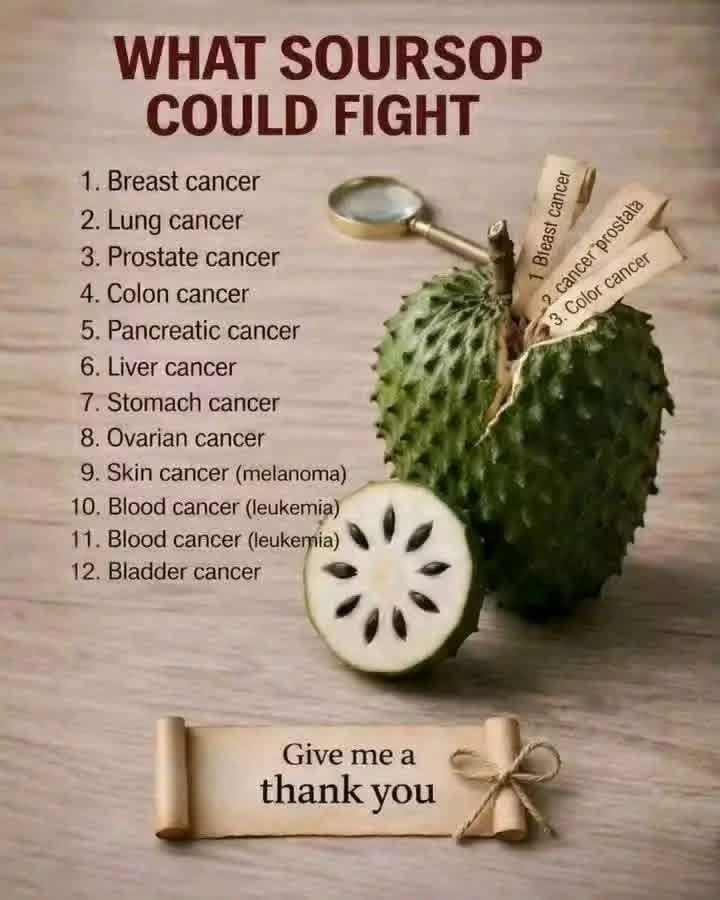
Soursop, also known as graviola or guanábana, is a tropical fruit with green, prickly skin and soft, white flesh. It is eaten fresh, blended into drinks, or used in desserts. Its fruit, leaves, and extracts have also attracted scientific interest because they contain various plant compounds.
However, there is an important distinction between a substance showing activity in laboratory experiments and proving that it can treat a disease in people.
1. What health problems might soursop help with?

Oxidative stress
Soursop contains vitamin C and other plant compounds with antioxidant activity. Antioxidants can help protect cells from damage caused by unstable molecules. However, eating soursop has not been shown to prevent or cure specific diseases through this mechanism.

Digestive health
The fruit contains dietary fiber, which supports normal bowel movements and digestive health. The amount of fiber you receive depends on the portion and how the fruit is prepared.

Immune system support
Soursop provides vitamin C, which contributes to normal immune function. It is a nutritious food, but it is not a proven treatment for infections or immune disorders.

Inflammation and blood sugar
Compounds found in soursop have shown potentially interesting effects in preliminary laboratory and animal research. It is not yet established that eating the fruit or drinking its leaves produces meaningful, safe treatment effects in humans.
2. Can soursop fight cancer?
This is one of the most common questions about soursop.
Some laboratory studies have found that compounds in soursop can damage certain cancer cells under experimental conditions. Researchers have investigated several cancer types, including breast, colon, prostate, and pancreatic cancer.
However, there is no convincing clinical evidence that soursop cures cancer or treats cancer effectively in humans. Laboratory results do not establish that eating the fruit, drinking its juice, or taking leaf extracts will have the same effect in the body.
If someone has cancer, they should not replace chemotherapy, surgery, radiation, or other prescribed treatment with soursop. Discuss supplements with the treating oncologist.
3. Can soursop help fight diabetes?
Soursop has shown possible blood-glucose-lowering effects in some animal studies, but it has not been established as a diabetes treatment in humans.
-
The fruit contains carbohydrates and natural sugars.
-
Its fiber can help support a balanced diet.
-
Concentrated leaf products may affect blood sugar unpredictably.
-
Combining soursop extracts with diabetes medication could potentially cause blood sugar to drop too low.
Memorial Sloan Kettering Cancer Center+1
People with diabetes can discuss including the fruit in their meal plan, paying attention to portion size and their individual blood-glucose response.
4. Can soursop fight high blood pressure?
Some preliminary research suggests that soursop extracts may affect blood pressure, but reliable evidence of a therapeutic benefit in humans is lacking.
Do not use soursop supplements instead of prescribed blood-pressure medication. Combining them with medication could potentially lower blood pressure too much.
5. Can soursop fight infections?
Laboratory studies have examined soursop extracts for antibacterial and antiviral activity. These findings do not prove that soursop can treat infections in humans.
It should not replace antibiotics, antiviral medication, or medical care when these are needed.
6. Is soursop safe? Important precautions
The edible fruit and concentrated plant preparations should not be treated as equivalent.
-
Fruit: The ripe pulp can be eaten as food in ordinary portions. Remove and do not eat the seeds.
-
Leaves and tea: Safety and effective doses are not well established. Avoid regular medicinal use without professional advice.
-
Concentrated extracts and supplements: These may interact with medicines and have uncertain safety.
-
Nervous system: Certain soursop compounds have raised concerns about nerve toxicity and possible movement disorders, particularly with substantial or prolonged exposure. The extent of the risk in humans remains uncertain.
PMC+2
7. What is the best way to enjoy soursop?
If you enjoy the fruit, you can eat the ripe pulp after removing the seeds or blend it into a smoothie. Choose preparations without excessive added sugar, especially if you are monitoring blood glucose.
The fruit can contribute nutrients to a balanced diet, but there is no scientifically established medicinal dose for treating cancer, diabetes, high blood pressure, or infections.