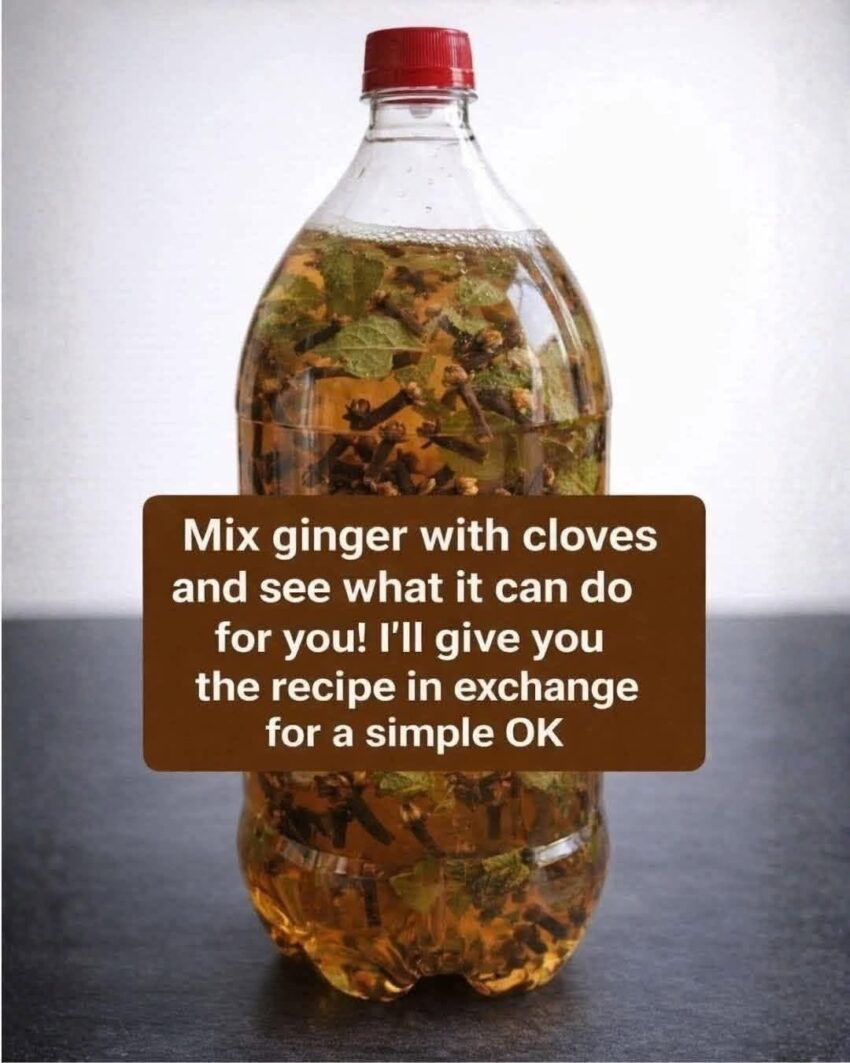
Discover the potential benefits of ginger and cloves, learn how to prepare a soothing homemade ginger-clove tea, and understand its uses, precautions, and possible side effects.
Ginger and cloves are two popular kitchen spices that have been used in traditional food preparation and home remedies for generations. Ginger is known for its warm, slightly spicy flavor, while cloves have a strong aroma and contain naturally occurring compounds that have attracted scientific interest.
When combined in a warm drink, these ingredients create a flavorful herbal infusion that can be enjoyed as part of a balanced lifestyle. But what can this combination actually do for you, how should you prepare it, and what precautions should you know about?
Let’s explore the facts.
1. Potential Benefits of Ginger and Cloves
<text size=”sm” color=”secondary”>These spices contain bioactive compounds, but evidence for the specific combination is limited. A homemade drink should not be considered a treatment for disease.</text>
May Help With Nausea
Ginger has been studied for its ability to ease certain types of nausea. Evidence is strongest for some specific situations, although results vary depending on the cause and preparation.
A mild ginger drink may feel soothing for some people. Cloves are not as well established for nausea, and combining them has not been shown to provide additional benefits.
May Support Normal Digestion
Ginger has traditionally been used after meals, and some research suggests it may help with certain digestive symptoms.
The warm liquid may also be comforting after eating. However, there is not enough reliable evidence to conclude that ginger and cloves together treat bloating, indigestion, or stomach disorders.
Contain Antioxidant Compounds
Ginger contains compounds such as gingerols, while cloves contain eugenol. These substances have antioxidant activity in laboratory studies.
Antioxidants are involved in protecting cells from certain types of oxidative damage. However, laboratory findings do not prove that drinking ginger-clove tea prevents disease or produces dramatic health improvements.
May Provide Comfort During Cold Weather
A warm ginger-and-clove drink can soothe the throat temporarily and provide a comforting way to consume fluids.
Neither ingredient has been proven to cure the common cold, eliminate respiratory infections, or replace appropriate medical treatment.
May Contribute to a Healthy Diet
Using spices to add flavor can make meals and drinks more enjoyable without requiring large amounts of sugar. This can be useful when building healthier eating habits.
However, ginger and cloves are not substitutes for balanced meals, regular physical activity, sleep, or prescribed medicines.
2. How to Prepare Ginger and Clove Tea
<AsyncImageGroup query={[“fresh sliced ginger root and whole cloves on wooden cutting board”,”ginger and clove herbal tea in clear glass mug with fresh ginger slices”]} aspectRatio=”5:4″ layout=”bento” size=”lg”/>
This simple recipe makes one cup of aromatic tea.
Ingredients
- 1 cup (250 ml) of water
- 2–3 thin slices of fresh ginger
- 1–2 whole cloves
- A little honey, optional
- A small squeeze of lemon, optional
Preparation Method
- Wash the ginger thoroughly and cut it into thin slices.
- Bring the water to a gentle boil in a small saucepan.
- Add the ginger slices and whole cloves.
- Simmer gently for approximately 5–10 minutes.
- Remove the saucepan from the heat and allow the drink to cool slightly.
- Strain into a cup.
- Add a little honey or lemon if desired, once the tea is at a comfortable drinking temperature.
Start with a mild preparation if you have a sensitive stomach. You do not need large quantities of either spice to enjoy the flavor.
3. When Is the Best Time to Drink It?
There is no scientifically established best time to drink ginger-and-clove tea.
- After a meal: You may find the warm drink comforting after eating.
- During cold weather: It can be a pleasant way to stay hydrated.
- In the morning: You can enjoy it if it suits your stomach and does not cause discomfort.
Avoid drinking it very hot. If ginger or cloves trigger heartburn or stomach irritation, discontinue the drink or reduce the strength.
There is also no good evidence that drinking this tea at a particular time detoxifies the liver or burns belly fat.
4. Important Precautions and Possible Side Effects
Natural ingredients can still cause unwanted effects, especially when consumed in concentrated amounts.
Be cautious if you:
- Experience frequent heartburn or acid reflux, because ginger may worsen symptoms in some people.
- Take blood-thinning medicines or have a bleeding disorder. Concentrated ginger or clove products may affect bleeding risk, although the risk from ordinary culinary quantities is less clear.
- Take diabetes medication, because concentrated supplements may influence blood sugar.
- Have an upcoming operation or a medical condition requiring special dietary precautions.
Avoid swallowing clove essential oil or using concentrated herbal extracts as homemade remedies without professional advice. Essential oils are much more concentrated than whole spices.
Is Ginger and Clove Tea Safe During Pregnancy?
Pregnancy requires additional caution with herbal remedies. Ginger has been studied for pregnancy-related nausea, but that does not establish the safety of every ginger preparation or ginger-and-clove combination.
If you are pregnant, avoid concentrated clove preparations, clove oil, and medicinal quantities of this mixture unless your maternity clinician approves them. Occasional culinary use is different from using strong herbal drinks as treatment.
If you experience persistent vomiting, dehydration, severe abdominal pain, or other concerning symptoms during pregnancy, seek medical advice rather than relying on a home remedy.
5. Can Ginger and Cloves Help With Weight Loss?
There is no strong clinical evidence that ginger-and-clove tea, by itself, causes meaningful weight loss or directly burns body fat.
Unsweetened herbal tea can be a useful alternative to sugary drinks. Sustainable weight management depends on overall eating patterns, activity, sleep, and individual health circumstances.
Adding large amounts of honey or sugar increases the drink’s calorie content, while adding extra spices does not guarantee better results.
6. How Often Should You Drink It?
No standardized daily dosage has been established for ginger-and-clove tea as a combined remedy.
For a healthy adult who tolerates the ingredients, an occasional mild cup made with culinary quantities may be reasonable. Avoid making the tea increasingly concentrated or consuming it repeatedly throughout the day in pursuit of medicinal effects.
If you need it regularly for nausea, indigestion, pain, or another ongoing symptom, consult a healthcare professional to identify the cause and determine the safest treatment.
Conclusion
Ginger and cloves make a fragrant, warming drink that can fit into an ordinary, balanced diet. Ginger has some evidence supporting its use for particular types of nausea, while cloves contain compounds with antioxidant activity in laboratory research.
However, many claims about this combination—including detoxification, rapid weight loss, curing infections, and treating chronic illnesses—remain unproven.
The best approach is to enjoy these spices in modest culinary quantities, avoid concentrated preparations unless medically advised, and seek professional care for persistent symptoms. A simple homemade tea can be comforting, but it should never be mistaken for a miracle cure.