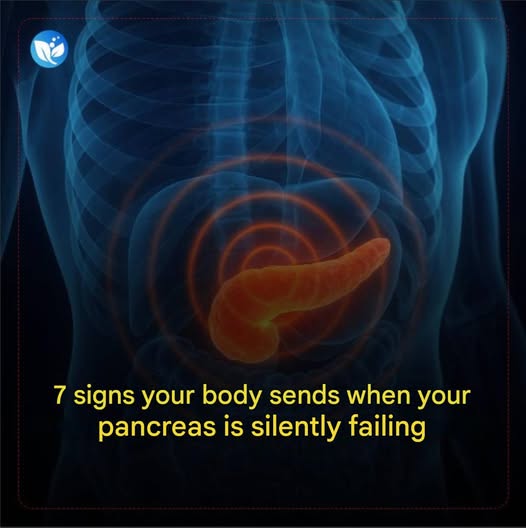
Discover seven possible warning signs of pancreatic problems, including abdominal pain, unexplained weight loss, digestive changes, and jaundice. Learn when to seek medical attention.
The pancreas is a small but essential organ located deep in the abdomen, behind the stomach. It helps your body digest food and regulate blood sugar by producing digestive enzymes and hormones such as insulin.
When the pancreas develops a problem, symptoms may initially be subtle or resemble common digestive issues. However, these signs do not necessarily mean your pancreas is failing. Many conditions can cause similar symptoms, and some pancreatic diseases produce no obvious symptoms in their early stages.
Here are seven important warning signs to recognize.
1. Persistent Pain in the Upper Abdomen
Pain in the upper abdomen can occur with several pancreatic conditions, including pancreatitis.
The pain may:
- Feel deep or persistent in the upper abdomen.
- Spread toward the back.
- Become worse after eating.
- Occur alongside nausea or vomiting.
When to seek help: Sudden, severe abdominal pain, particularly with vomiting or fever, requires urgent medical assessment.
2. Unexplained Weight Loss
Losing weight without changing your diet or physical activity can sometimes indicate a digestive or metabolic problem.
Pancreatic diseases may interfere with digestion or appetite. Pancreatic cancer can also cause unexplained weight loss, although many other conditions are much more common.
If your weight continues to fall without an obvious reason, arrange a medical evaluation.
3. Pale, Greasy, or Floating Stools
The pancreas produces enzymes that help digest fats, proteins, and carbohydrates. When it does not produce enough digestive enzymes, fat may not be absorbed properly.
Possible signs include stools that are:
- Pale or unusually light-colored.
- Greasy, oily, or difficult to flush.
- Particularly foul-smelling.
- Frequently floating in the toilet.
Persistent changes like these deserve medical attention, especially when accompanied by weight loss or diarrhea.
4. Yellowing of the Skin or Eyes
Yellowing of the skin or the whites of the eyes is called jaundice. It occurs when bilirubin builds up in the body.
A pancreatic problem can sometimes block the bile duct, preventing bile from draining normally. Other causes include liver disease and gallstones.
Jaundice may occur with dark urine, pale stools, or itching.
Important: New jaundice requires urgent medical assessment, even if there is no pain.
5. New or Worsening Blood Sugar Problems
The pancreas produces insulin, which helps regulate blood glucose levels.
Damage to the pancreas can affect insulin production and contribute to diabetes. In some cases, newly developed diabetes—particularly in an older adult without typical risk factors—may be associated with an underlying pancreatic condition.
Possible symptoms of high blood sugar include:
- Increased thirst.
- Frequent urination.
- Unusual fatigue.
- Blurred vision.
- Unintentional weight loss.
These symptoms do not prove that the pancreas is failing, but they warrant blood sugar testing.
6. Persistent Nausea or Vomiting
Pancreatic inflammation can cause nausea and vomiting, often alongside abdominal pain.
Other digestive conditions, infections, medication effects, and pregnancy can produce similar symptoms.
Repeated vomiting, inability to keep fluids down, or vomiting accompanied by severe abdominal pain requires prompt medical attention.
7. Persistent Digestive Problems or Loss of Appetite
Recurring bloating, diarrhea, indigestion, and loss of appetite can occur when pancreatic digestive enzymes are insufficient or when another digestive condition is present.
These symptoms are common and are not specific to pancreatic disease. However, persistent digestive changes combined with weight loss, greasy stools, or abdominal pain should not be ignored.
What Causes Pancreatic Problems?
Possible causes include:
- Gallstones.
- Heavy alcohol use.
- Certain medications.
- High levels of triglycerides in the blood.
- Genetic or inherited conditions.
- Diabetes and chronic pancreatic disease.
- Pancreatic tumors.
The cause depends on the specific condition, and symptoms alone cannot establish a diagnosis.
How Do Doctors Check Pancreatic Health?
Depending on your symptoms, a healthcare professional may recommend:
- Blood tests: To assess pancreatic enzymes, blood sugar, liver function, or other relevant markers.
- Stool tests: To investigate whether the pancreas is producing enough digestive enzymes.
- Imaging: Ultrasound, CT, or MRI scans may help identify inflammation, blockages, or structural abnormalities.
- Additional investigations: These may be needed if a particular pancreatic condition is suspected.
There is no single routine test that reliably detects every pancreatic disease in everyone.
When Should You Seek Medical Help?
Seek emergency care for sudden, severe abdominal pain, especially if it spreads to the back or occurs with repeated vomiting, fever, fainting, or difficulty breathing.
Seek urgent medical assessment for new jaundice. Arrange a medical appointment for unexplained weight loss, persistent changes in bowel movements, or newly developed diabetes symptoms.
Can You Protect Your Pancreas?
You can support overall pancreatic and metabolic health by:
- Avoiding smoking.
- Limiting or avoiding alcohol.
- Maintaining a balanced diet.
- Staying physically active.
- Managing high triglycerides and diabetes with appropriate medical care.
- Seeking medical advice for persistent or unusual symptoms.
No particular food, juice, or home remedy can guarantee that the pancreas stays healthy.
Final Thoughts
Persistent abdominal pain, unexplained weight loss, greasy stools, jaundice, blood sugar changes, nausea, and ongoing digestive problems can sometimes signal pancreatic disease. However, none of these symptoms alone means that the pancreas is silently failing.
Pay attention to symptoms that persist, worsen, or occur together, and seek medical advice rather than relying on online symptom lists to diagnose yourself.