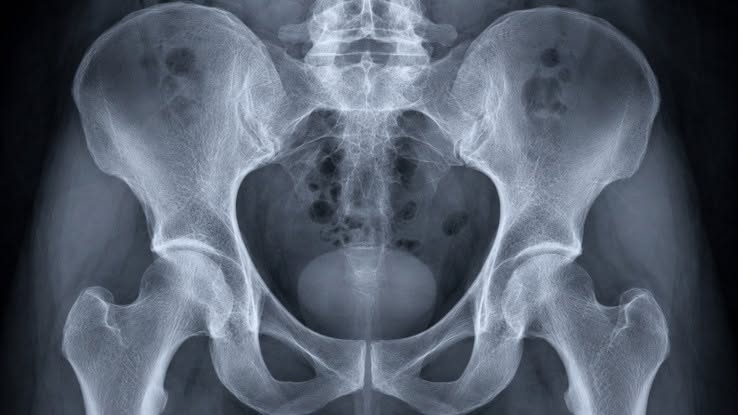
Discover common signs of a weakened pelvic floor in women, including urine leakage, pelvic pressure, lower back discomfort, and difficulty controlling gas. Learn possible causes, treatment options, and when to seek medical advice.
Weakened Pelvic Floor: Signs That Many Women Overlook
Many women experience changes in their pelvic health but assume that urine leakage, pelvic heaviness, or discomfort are simply normal parts of aging or childbirth. Although these symptoms are common, they are not something women must automatically accept without help.
The pelvic floor is a group of muscles and connective tissues that support the bladder, uterus, bowel, and other pelvic organs. These muscles also help control urination and bowel movements and contribute to sexual function.
When the pelvic floor muscles become weak, overstretched, overly tight, or poorly coordinated, different symptoms may develop. Recognizing these changes can help women seek appropriate care before symptoms begin interfering with everyday life.
1. Urine Leakage When Coughing or Sneezing
One of the most common signs of pelvic floor dysfunction is leaking a small amount of urine when coughing, sneezing, laughing, jumping, or lifting something heavy.
This is known as stress urinary incontinence. It can occur when the pelvic floor and other supporting structures do not adequately manage the increased pressure inside the abdomen.
Even occasional leakage deserves attention if it bothers you. A healthcare professional or pelvic health physiotherapist can assess the cause and recommend suitable treatment.
2. A Sudden, Urgent Need to Urinate
Some women experience a sudden urge to urinate that is difficult to control. They may need to rush to the bathroom or wake several times during the night.
Urgency can occur with an overactive bladder, urinary tract infections, pregnancy, and other conditions. It does not automatically mean the pelvic floor is weak.
If the urgency is new, persistent, or accompanied by burning, pain, or blood in the urine, seek medical advice.
3. A Feeling of Heaviness or Pressure in the Pelvis
A sensation of fullness, dragging, or heaviness in the vagina or lower pelvis may be a sign of pelvic organ prolapse.
Prolapse occurs when the structures supporting the pelvic organs become less effective, allowing the bladder, uterus, or bowel to bulge toward or into the vagina.
Some women notice that the pressure becomes more pronounced after standing for a long time or toward the end of the day.
Persistent pelvic pressure or a vaginal bulge should be assessed by a healthcare professional.
4. Difficulty Controlling Gas
The pelvic floor muscles and anal sphincter help control the release of gas and stool.
If these muscles or their supporting nerves are injured or not coordinating properly, some women may have difficulty holding in gas or experience accidental stool leakage.
This can happen after childbirth or because of other bowel, nerve, or muscle conditions. If it becomes frequent or affects daily activities, a medical assessment can help identify the cause.
5. Constipation or Difficulty Emptying the Bowel
Pelvic floor problems do not always involve weak muscles. Sometimes, the muscles fail to relax properly when a person tries to pass stool.
Possible symptoms include straining, feeling that stool remains inside, or needing to change position to have a bowel movement.
Constipation can also be caused by insufficient fiber, dehydration, medication, and other digestive conditions.
Persistent difficulty emptying the bowel deserves assessment because treatment differs depending on whether the problem involves muscle weakness, poor coordination, or another cause.
6. Lower Back or Pelvic Discomfort
Some women with pelvic floor dysfunction report discomfort in the lower back, pelvis, hips, or groin.
However, these symptoms are nonspecific and may also arise from muscle strain, joint problems, pregnancy-related changes, or spinal conditions.
Pelvic floor assessment may be helpful when discomfort occurs alongside urinary leakage, pelvic pressure, or bowel-control difficulties.
Severe or sudden pain, fever, or pain accompanied by unusual bleeding requires prompt medical attention.
7. Pain or Discomfort During Sexual Activity
Pelvic floor dysfunction can contribute to discomfort during penetration or sexual activity.
Importantly, the problem is not always weak muscles. Overly tight or tense pelvic floor muscles can also cause pain, difficulty relaxing, or discomfort during penetration.
Other possible causes include vaginal dryness, infections, hormonal changes, and gynecological conditions.
Persistent pain should be discussed with a healthcare professional. Treatment should be tailored to the cause rather than assuming that strengthening exercises are always appropriate.
8. Difficulty Feeling or Coordinating Pelvic Floor Muscles
Some women have trouble identifying the muscles used to stop the flow of urine or control gas. Others find it difficult to contract and then fully relax these muscles.
This can happen after pregnancy, childbirth, surgery, or periods of reduced muscle conditioning.
A pelvic health physiotherapist can assess muscle strength, coordination, and relaxation and help determine which exercises are appropriate.
Do not repeatedly stop urine midstream as an exercise. This can interfere with normal bladder emptying.
9. Symptoms That Become Worse After Standing or Lifting
Pelvic heaviness, pressure, or leakage may become more noticeable after prolonged standing, strenuous activity, or lifting heavy objects.
These activities increase pressure within the abdomen and may aggravate symptoms in some women with pelvic floor dysfunction or prolapse.
This does not mean that all exercise or lifting is harmful. The appropriate activity level depends on the individual’s symptoms, recovery, and medical advice.
10. A Noticeable Change After Pregnancy or Childbirth
Pregnancy places additional demands on the pelvic floor, while vaginal childbirth can stretch the muscles and supporting tissues.
Some women notice urinary leakage, pelvic heaviness, or changes in bowel control after delivery. These symptoms may improve with recovery and appropriate treatment, but persistent problems should not be ignored.
Pelvic floor symptoms can also develop after cesarean birth because pregnancy itself affects these structures.
If symptoms begin during pregnancy or continue after delivery, discuss them with your maternity-care professional.
What Causes Pelvic Floor Weakness?
Several factors can contribute to pelvic floor dysfunction:
- Pregnancy and childbirth.
- Increasing age and hormonal changes.
- Chronic constipation and repeated straining.
- Persistent coughing.
- Repeated heavy lifting or high-impact activity when the muscles cannot manage the load.
- Previous pelvic surgery or injury.
- Changes in connective tissue or nerve function.
Not every woman with these risk factors develops pelvic floor problems, and symptoms can occur in women who have never given birth.
Can Pelvic Floor Muscles Be Strengthened?
Yes. For many women, pelvic floor muscle training can improve urinary leakage and support pelvic health. However, treatment depends on the type of dysfunction.
Pelvic floor exercises
Kegel exercises involve gently contracting the muscles used to control gas and urine, then fully relaxing them.
A general approach is to:
- Find a comfortable position, such as lying down or sitting.
- Gently tighten the muscles around the vagina and anus as though preventing gas from escaping.
- Avoid holding your breath or squeezing your buttocks and thighs.
- Hold briefly if comfortable, then completely relax.
- Repeat only as tolerated, gradually building up under professional guidance.
Do not practise by repeatedly interrupting your urine stream. If you feel pain, cannot relax the muscles, or your symptoms worsen, stop and seek advice.
Pelvic health physiotherapy
A specialist physiotherapist can assess muscle strength, coordination, relaxation, and breathing patterns. Treatment may include individualized exercises, bladder or bowel strategies, and techniques to reduce excessive muscle tension.
Lifestyle changes
Helpful measures may include treating constipation, avoiding excessive straining, maintaining appropriate hydration, and managing a persistent cough.
If urinary urgency or leakage is a concern, a clinician may also recommend bladder training or other treatments.
When Should You See a Doctor?
Arrange an appointment if you experience persistent urine leakage, pelvic heaviness, a vaginal bulge, difficulty emptying your bladder or bowel, or ongoing pain during sexual activity.
Seek urgent medical care if you suddenly cannot pass urine, develop severe pelvic pain, or experience new loss of bladder or bowel control alongside back pain, leg weakness, or numbness around the groin.
These symptoms can indicate conditions that require immediate assessment.
Final Thoughts
A weakened pelvic floor can affect bladder control, bowel function, pelvic support, and sexual comfort. However, not every pelvic symptom is caused by weakness; some women have muscles that are too tight or do not coordinate properly.
The good news is that many pelvic floor conditions can be managed with appropriate assessment, individualized exercises, physiotherapy, and other treatments when necessary.
You do not have to accept pelvic discomfort or urine leakage as an inevitable part of being a woman or becoming a mother. If symptoms persist, seek professional advice and find out which treatment is right for you.