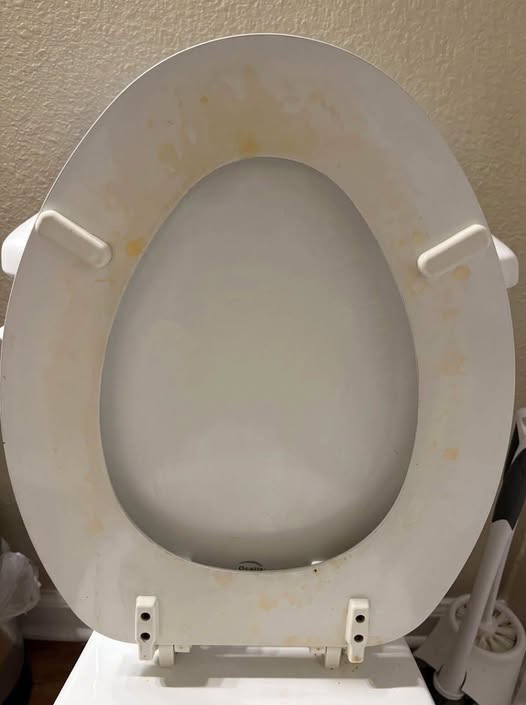
Tired of stubborn yellow rings in your toilet bowl? Discover practical cleaning methods using white vinegar, baking soda, and suitable toilet cleaners to remove stains, tackle hard-water deposits, and keep your toilet looking fresh.
Introduction: Why Does That Yellow Ring Keep Coming Back?
There is nothing more frustrating than cleaning your bathroom, scrubbing the toilet bowl, and still seeing an ugly yellow or brown ring around the waterline.
You may use toilet cleaner, flush several times, and scrub until your arm hurts, yet the stain remains. Sometimes, it even returns a few days after you finally manage to remove it.
The good news is that you may not need an expensive cleaning product to tackle the problem. The key is identifying what caused the stain in the first place.
Yellow toilet rings commonly develop from mineral deposits in hard water, accumulated urine residue, or a combination of minerals and organic material. In some homes, iron in the water can also contribute to yellow, orange, or brown discoloration.
Once you understand the cause, choosing the right cleaning method becomes much easier.
1. Start With White Vinegar for Mineral Deposits
White vinegar contains acetic acid, which can help dissolve some mineral deposits left behind by hard water.
If the yellow ring is caused by ordinary mineral buildup, vinegar may help loosen it without requiring aggressive scrubbing.
What you need
- White household vinegar
- A toilet brush
- Rubber cleaning gloves
- A little patience
How to clean the toilet
Step 1: Flush the toilet to wet the bowl and make the stained area easier to inspect.
Step 2: Pour white vinegar directly over the stained ring, concentrating on the affected areas.
Step 3: Allow it to sit for approximately 30–60 minutes. For stubborn mineral deposits, a longer soak may help if the toilet’s materials and product instructions permit it.
Step 4: Scrub the ring thoroughly with a toilet brush.
Step 5: Flush and inspect the bowl. Repeat if necessary.
Vinegar may not remove every stain, particularly thick deposits or discoloration caused by iron, but it is a reasonable first option for some mineral buildup.
Important: Never mix vinegar with bleach or any other toilet cleaner unless the product label explicitly confirms that the combination is safe. Mixing cleaning chemicals can release dangerous gases.
2. Use Baking Soda for Gentle Scrubbing
Baking soda is mildly abrasive and can help loosen some surface grime when combined with brushing.
It is not a powerful mineral-dissolving treatment on its own, so it may be less effective against a thick hard-water ring.
How to use it
- Sprinkle a modest amount of baking soda onto the stained area.
- Use a damp toilet brush to scrub gently.
- Pay particular attention to the waterline and visible marks.
- Flush to rinse away the residue.
For ordinary grime, this may be enough to improve the appearance of the bowl.
For mineral deposits, a suitable acidic toilet cleaner is generally more effective than baking soda alone.
Safety tip: Do not combine baking soda with bleach or other cleaners in an attempt to create a stronger chemical reaction. Use one product at a time and rinse thoroughly before switching products.
3. Try a Toilet Cleaner Designed for Hard-Water Stains
Sometimes, home remedies are simply not strong enough.
If the ring remains after brushing, a commercial toilet cleaner specifically labeled for hard-water deposits or limescale may be a better choice.
These products are formulated to target mineral buildup and may work more efficiently than general-purpose bathroom sprays.
How to use it safely
- Read the product label before applying it.
- Wear gloves and maintain good ventilation.
- Apply it only to surfaces approved by the manufacturer.
- Leave it for the specified contact time.
- Scrub and flush as directed.
Do not combine different toilet cleaners. In particular, acidic limescale removers must never be mixed with chlorine bleach.
If you have already used bleach, flush thoroughly and follow the product label before using another cleaner. Never mix products directly in the bowl.
4. What If the Yellow Ring Is Actually Urine Scale?
Not every yellow stain comes from hard water.
Urine residue can accumulate around the toilet bowl, beneath the rim, or near the waterline, particularly when cleaning is irregular or the toilet is used frequently.
When residue combines with minerals in the water, the resulting deposit can become difficult to remove.
To address it:
- Apply an appropriate toilet cleaner to the affected area.
- Let the product sit for the time specified on its label.
- Scrub beneath the rim and around the waterline.
- Flush thoroughly.
For stains around the outside of the toilet, use a suitable bathroom cleaner and a separate cloth or sponge. Avoid using the same cleaning tools on other bathroom surfaces without washing or disinfecting them appropriately.
5. What About Pumice Stones?
A pumice stone marketed specifically for toilet cleaning can sometimes help remove stubborn mineral rings that ordinary brushing cannot shift.
However, it must be used carefully.
Choose a product intended for toilet bowls, follow its instructions, and keep both the stone and porcelain surface wet while working. Test it gently in an inconspicuous area first.
Avoid aggressive rubbing, and do not use a pumice stone on plastic, delicate coatings, or surfaces that could scratch easily.
If the stain is actually damage to the glaze rather than a removable deposit, scrubbing harder may make the surface worse.
6. How to Stop the Yellow Ring From Returning
Removing the stain is only half the job. Preventing it from building up again can save time and effort.
Clean the bowl regularly
A quick weekly cleaning is often easier than dealing with months of accumulated deposits. If your water is particularly hard, you may need to clean more frequently.
Check for a leaking toilet
If water continuously trickles from the tank into the bowl, it can contribute to persistent waterline deposits and waste water.
Listen for continuous running and check whether the water in the bowl keeps moving when the toilet has not been flushed.
Pay attention to your water supply
If yellow, orange, or brown stains appear on sinks, bathtubs, and laundry as well as the toilet, iron or other minerals in the water may be contributing.
A water test can help identify the cause. Depending on the results, a suitable filtration or treatment system may be worth considering.
Keep the toilet brush clean
After cleaning, rinse the brush thoroughly and allow it to dry in a ventilated holder. Replace it when it becomes worn or difficult to clean.
7. When Cleaning Products Don’t Work
If a stubborn yellow ring remains despite appropriate cleaning, consider whether the porcelain is scratched, the glaze is damaged, or the discoloration has another cause.
A damaged surface can hold onto stains more easily, making repeated cleaning less effective.
Avoid combining stronger chemicals or using increasingly abrasive tools just to force the mark away. If the bowl is badly damaged, replacing the affected fixture may eventually be more practical than continued aggressive scrubbing.
Final Thoughts
That stubborn yellow toilet ring can look unpleasant, but the right approach often makes it manageable.
Start by identifying whether the stain is mineral buildup, urine residue, or another form of discoloration. Try white vinegar for suitable mineral deposits, use baking soda for gentle surface scrubbing, and choose a purpose-made hard-water cleaner when necessary.
Most importantly, never mix cleaning chemicals, and avoid abrasive methods that could damage the toilet’s surface.
With regular maintenance and the right cleaner, you can keep your toilet looking cleaner without wasting money on products that do not address the actual cause of the stain.
A simple cleaning routine, the correct product, and a little patience can make a noticeable difference.