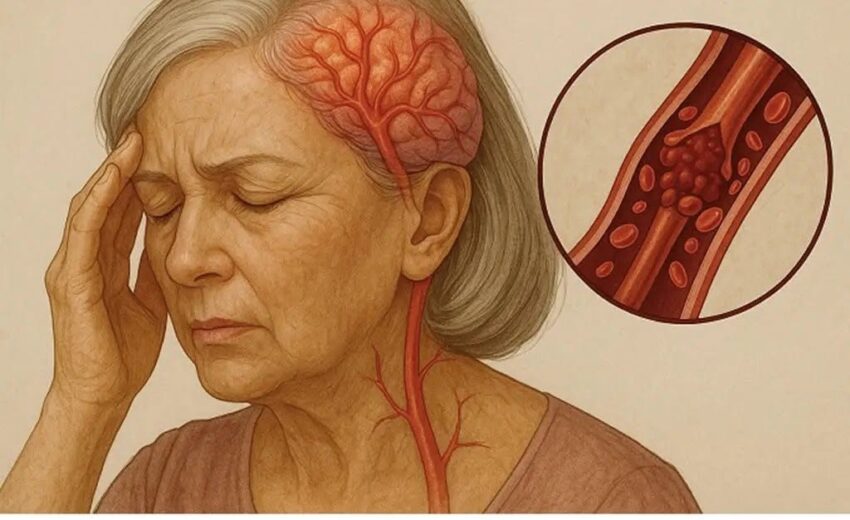
Sometimes, the body gives us warning signs before a serious health emergency occurs. A strange headache, unusual tiredness, temporary dizziness, or difficulty speaking may seem harmless at first. We might blame stress, lack of sleep, dehydration, or a busy lifestyle. But what if some symptoms are signs that we should never ignore?
A stroke can happen suddenly, changing a person’s life in a matter of minutes. In some cases, a person may experience a transient ischemic attack (TIA), often called a mini-stroke, before a more serious stroke. The symptoms may disappear quickly, making it tempting to dismiss them. However, even temporary stroke-like symptoms require immediate medical attention.
In this article, we explore possible warning signs that may occur before a stroke, why they can be overlooked, and what everyone should know to respond quickly when symptoms appear.
Important: This article uses a first-person headline as a storytelling format. The symptoms described below are general examples, not a personal medical account or proof that a stroke can be predicted one month in advance.
The Warning Signs That Can Be Easy to Miss
A stroke does not always provide an obvious warning a month beforehand. Some strokes occur without recognizable earlier symptoms, while others may be preceded by a TIA or other symptoms that need medical evaluation.
Understanding the difference can help us recognize when something is wrong.
1. Sudden Dizziness or Loss of Balance
Occasional dizziness can have many causes, including dehydration, medication effects, and inner-ear problems. However, sudden dizziness accompanied by difficulty walking, loss of coordination, double vision, or other neurological symptoms may indicate a serious problem.
Some strokes affect the parts of the brain responsible for balance and coordination. Their symptoms may look different from the commonly recognized signs of a stroke.
If you suddenly become unable to walk normally or maintain your balance, especially alongside other new neurological symptoms, seek emergency medical help immediately.
2. Unexplained Weakness or Numbness
Have you ever experienced numbness or weakness in an arm, leg, or part of your face and assumed you had simply slept in an uncomfortable position?
There are many possible explanations for numbness. However, sudden weakness or numbness, particularly on one side of the body, is a major stroke warning sign.
You may notice that one arm feels unusually heavy, one side of your face looks uneven, or one hand becomes difficult to control.
Do not wait to see whether these symptoms disappear. They may indicate a stroke or TIA and require immediate assessment.
3. Difficulty Speaking or Understanding Words
Another important warning sign is a sudden change in speech or understanding.
A person may struggle to find familiar words, speak unclearly, become confused during a conversation, or have difficulty understanding what someone is saying.
These changes can be frightening, especially when they happen without an obvious explanation. Even if speech returns to normal after a few minutes, the episode should not be ignored.
Temporary symptoms can be caused by a TIA, which is a warning of increased stroke risk and requires urgent medical evaluation.
4. Sudden Changes in Vision
Blurred vision can occur for many reasons, but a sudden loss of vision, double vision, or difficulty seeing clearly can sometimes be associated with a stroke.
Vision changes may affect one eye or both eyes, depending on the cause. If a sudden visual disturbance occurs alongside dizziness, weakness, confusion, or difficulty speaking, treat it as an emergency.
Do not assume that resting or waiting until the next day is safe.
5. An Unusual, Severe Headache
A sudden, extremely severe headache that reaches maximum intensity quickly can be a sign of bleeding in or around the brain, which is a medical emergency and a different type of stroke-related event from a typical clot-caused stroke.
Not every headache indicates a stroke. However, a sudden, unusually intense headache—especially with vomiting, neck stiffness, fainting, confusion, or neurological symptoms—requires immediate emergency assessment.
Can Your Body Warn You a Month Before a Stroke?
This is an important question, and the answer requires care.
There is no reliable rule that a stroke will provide warning signs exactly one month before it happens. Some people experience a TIA before a stroke, but it may occur hours or days beforehand, and the timing varies. Others have no noticeable warning symptoms.
A TIA causes temporary neurological symptoms due to a brief interruption of blood flow to the brain. Although symptoms may disappear, a TIA is not harmless. It can signal an increased risk of a future stroke.
That is why any sudden stroke-like symptom should be taken seriously, even if it lasts only a few minutes.
It is also important to distinguish a true warning event from common symptoms such as ordinary fatigue or occasional headaches, which can have many causes. These symptoms alone do not establish that a stroke is approaching.
Remember FAST: How to Recognize a Stroke
One of the easiest ways to remember common stroke symptoms is the FAST method.
F — Face: Does one side of the face droop when the person smiles?
A — Arms: Is one arm weak or drifting downward when both arms are raised?
S — Speech: Is speech slurred, unusual, or difficult to understand?
T — Time: Call emergency services immediately if you notice any of these signs.
Other symptoms, including sudden vision changes, loss of balance, confusion, or a severe unexplained headache, can also require emergency attention.
If you suspect a stroke, note the time symptoms began or when the person was last known to be well. This information can help doctors determine which treatments may be appropriate.
Do not drive yourself or the affected person if emergency medical transport is available. Do not wait for symptoms to improve, and do not give food, drink, or medication unless emergency professionals direct you to do so.
What Can You Do to Reduce Your Risk of Stroke?
Although not every stroke can be prevented, certain steps can help reduce the risk.
Monitor your blood pressure. High blood pressure is a major risk factor for stroke. Regular checks and appropriate treatment can help control it.
Manage diabetes and cholesterol. If you have either condition, follow your healthcare professional’s advice and attend recommended checkups.
Avoid smoking. Smoking damages blood vessels and increases cardiovascular risk.
Stay physically active. Regular activity appropriate for your health can support cardiovascular health.
Choose a balanced diet. A diet rich in vegetables, fruits, whole grains, and other nutritious foods can support overall health.
Attend medical appointments. If you have experienced unexplained neurological symptoms, do not ignore them. Seek medical assessment, even if you feel better.
These habits can reduce certain risk factors, but they cannot guarantee that a stroke will never happen.
Final Thoughts: Never Ignore a Sudden Change in Your Body
A stroke can be frightening because it may happen without warning. Some people experience temporary symptoms before a more serious event, while others do not notice anything unusual beforehand.
The most important lesson is not to predict the exact day or month a stroke might occur. It is to recognize potentially serious symptoms and respond immediately.
Sudden facial drooping, weakness on one side, difficulty speaking, vision loss, or loss of balance should never be dismissed. Even when these symptoms disappear, urgent medical evaluation is essential.
Remember: Time matters during a stroke. Recognize the signs, call emergency services, and never wait for symptoms to pass.
Taking action quickly may help save a life and reduce the risk of long-term disability.
Medical disclaimer: This article is for educational purposes only and is not a substitute for professional medical advice, diagnosis, or treatment. If you or someone else experiences possible stroke symptoms, contact emergency services immediately, even if the symptoms disappear.