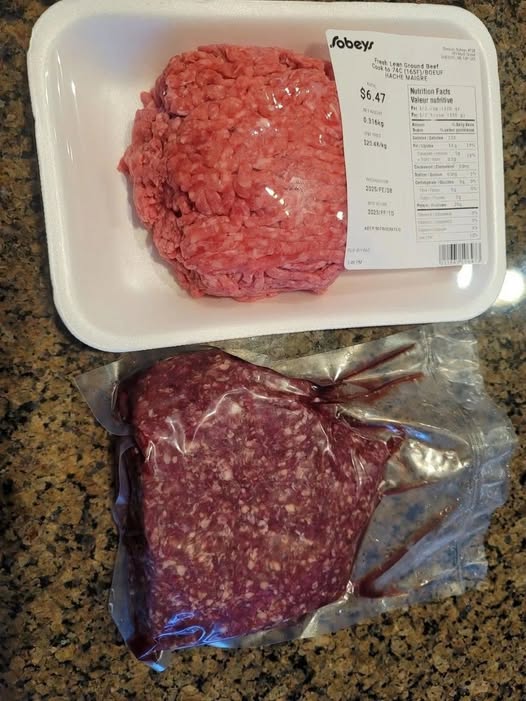
Learn how supermarket meat is sourced, what labels really mean, and how to check where your meat comes from before buying.
Don’t Get Fooled by the Supermarkets: Here’s What You Should Know About the Meat You Buy
Walking through a supermarket meat aisle can make everything seem straightforward: chicken, beef, pork, or other products neatly packaged and labeled. But understanding where meat comes from, how it was processed, and what different labels actually mean can be more complicated than it appears.
Consumers often see terms such as “product of,” “packed in,” “raised,” “grass-fed,” “organic,” or “locally sourced” and assume they all tell the same story. They don’t.
“Packed In” Doesn’t Always Mean “Raised There”
One of the most important distinctions is between where meat was produced and where it was processed or packaged.
A package may indicate that a product was packed at a particular facility, but that doesn’t necessarily mean the animal was raised in that same location.
That’s why it’s worth reading the entire label rather than relying on a large country, state, or regional name displayed on the package.
Check the Country-of-Origin Information
Country-of-origin labeling rules vary depending on where you live and what type of meat you’re purchasing.
If the origin matters to you, look for specific information about where the animal was raised, slaughtered, processed, or packaged rather than assuming the supermarket’s location tells you the answer.
Be Careful With Marketing Terms
Words such as “natural,” “premium,” “farm fresh,” and “traditional” can sound reassuring, but they don’t necessarily provide the detailed information consumers expect.
Look for labels with clearly defined standards and certifications when you’re trying to determine how an animal was raised or how a product was produced.
Frozen Doesn’t Automatically Mean Low Quality
Another common misconception is that fresh meat is always superior to frozen meat.
Properly frozen meat can retain much of its nutritional value. What matters more is how it was handled, stored, transported, and eventually prepared.
Always follow the storage and cooking instructions on the package.
How to Make a Better Choice
Before buying meat, consider:
- Read the complete label, not just the front of the package.
- Check origin and processing information where available.
- Look for recognized certifications if production methods matter to you.
- Check the use-by or sell-by date according to local labeling rules.
- Make sure refrigerated meat is properly chilled.
- Avoid packages that are leaking, damaged, or unusually swollen.
- Keep raw meat separate from other groceries and foods.
- Cook meat to a safe internal temperature using a food thermometer.
The Bottom Line
You don’t have to assume that supermarket meat is secretly coming from somewhere unexpected. The better approach is to read the label carefully and understand what each claim actually means.
Knowing the difference between where meat was raised, processed, and packaged can help you make more informed choices—and avoid being influenced by packaging that tells only part of the story.