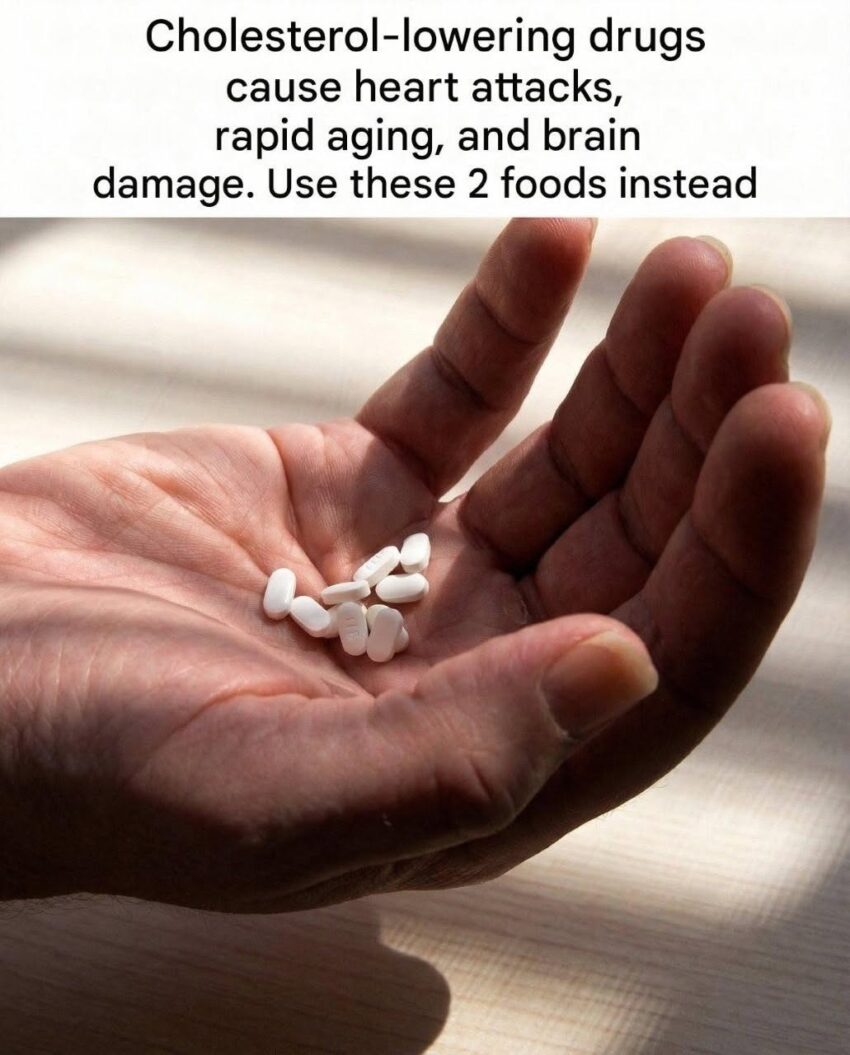
Can oats and nuts help lower cholesterol? Learn what the evidence says about cholesterol-lowering foods, statin safety, LDL cholesterol, and when medication may be necessary. Cholesterol is often discussed as though it were simply “good” or “bad,” but the reality is more complicated. LDL cholesterol can contribute to plaque buildup in the arteries, increasing the risk of heart attack and stroke. For some people, lifestyle changes can make a meaningful difference, while others may need medication to reach a safe cholesterol level.
You may have seen claims online that cholesterol-lowering medicines cause heart attacks, accelerate aging, or damage the brain. Current evidence does not support those claims. In fact, the FDA says statins can lower the risk of heart attack and stroke in people with heart disease or certain risk factors.
That doesn’t mean everyone needs a statin. The right treatment depends on your LDL level, overall cardiovascular risk, medical history, and other factors. The 2026 ACC/AHA dyslipidemia guideline emphasizes individualized risk assessment and lifestyle changes, with medication recommended when appropriate.
So what about food?
Two particularly useful foods to include in a cholesterol-friendly diet are oats and nuts.
1. Oats
Oats are rich in soluble fiber, particularly a type called beta-glucan.
Soluble fiber can help reduce LDL cholesterol by interfering with the absorption and recycling of bile acids in the digestive system. Including oats as part of an overall heart-healthy eating pattern can therefore be a useful dietary strategy.
Try adding:
- Oatmeal topped with berries
- Overnight oats
- Steel-cut oats
- Oat bran
- Oats blended into homemade breakfast recipes
Choose minimally processed oats and be cautious with flavored instant oatmeal products that contain large amounts of added sugar.
2. Nuts
Nuts are another heart-friendly choice.
Almonds, walnuts, pistachios, and other nuts provide unsaturated fats, fiber, plant protein, and other nutrients. Replacing foods high in saturated fat with sources of unsaturated fat can support healthier cholesterol levels. The American Heart Association recommends nuts, seeds, whole grains, beans, vegetables, and fruits as part of a heart-healthy dietary pattern.
A practical approach is to choose a small handful of unsalted nuts as a snack or add them to oatmeal, salads, or yogurt.
Can These Foods Replace Cholesterol Medication?
This is where caution is important.
A healthier diet can improve cholesterol levels, but food should not automatically be considered a replacement for prescribed medication.
Some people have relatively mild cholesterol elevations that respond substantially to lifestyle changes. Others have very high LDL cholesterol, inherited conditions such as familial hypercholesterolemia, diabetes, established cardiovascular disease, or other risk factors that make medication particularly important.
The current AHA guidance notes that lifestyle changes are foundational, but medication may be needed when lifestyle measures aren’t enough.
If you’ve been prescribed a statin or another cholesterol-lowering medication, don’t stop taking it simply because you’ve started eating healthier foods. Discuss your cholesterol results and treatment options with your healthcare professional.
Do Cholesterol-Lowering Drugs Cause Heart Attacks?
There is an important distinction between side effects and the overall effect of a medicine.
Statins can cause side effects in some people, including muscle-related symptoms. They can also slightly increase the risk of developing diabetes in susceptible people. However, the American Heart Association concludes that, for patients in whom statin therapy is recommended, the cardiovascular benefits generally outweigh the risks.
The FDA likewise states that statins can reduce the risk of heart attack and stroke in appropriate patients.
Therefore, the statement that cholesterol-lowering drugs generally “cause heart attacks” is misleading.
Do Statins Cause Brain Damage?
Concerns about memory loss and dementia have received considerable attention online.
Current evidence does not establish that statins cause dementia or progressive brain damage. An American Heart Association scientific statement reviewing observational studies and randomized-trial data found that the overall evidence does not support a causal relationship between LDL lowering or statin therapy and cognitive impairment or dementia.
If someone experiences new or concerning symptoms after starting a medication, they should discuss them with their healthcare professional rather than stopping treatment without guidance.
What About “Rapid Aging”?
The idea that statins cause rapid biological aging is also not established by good clinical evidence.
Cholesterol-lowering treatment is intended to reduce exposure to atherogenic cholesterol particles and, in appropriate patients, lower cardiovascular risk. The latest ACC/AHA guideline continues to recommend earlier management of elevated atherogenic lipids because prolonged exposure can increase cardiovascular risk.
A Better Cholesterol-Lowering Strategy
Instead of looking for one miracle food, think about your overall eating pattern.
Build meals around:
- Oats and other whole grains
- Beans and legumes
- Vegetables and fruits
- Nuts and seeds
- Fish and other healthy protein sources
- Unsaturated fats
At the same time, reduce foods high in saturated fat and highly processed foods.
The American Heart Association’s 2026 dietary guidance emphasizes vegetables, fruits, whole grains, healthy protein sources, unsaturated fats, minimally processed foods, and adequate fiber as components of a heart-healthy dietary pattern.
The Bottom Line
Oats and nuts can be excellent additions to a cholesterol-friendly diet, but they aren’t magic substitutes for medically indicated treatment.
Cholesterol-lowering medications, particularly statins, have well-established benefits for reducing cardiovascular risk in appropriately selected patients. Claims that these medicines generally cause heart attacks, rapid aging, or brain damage aren’t supported by the current evidence.