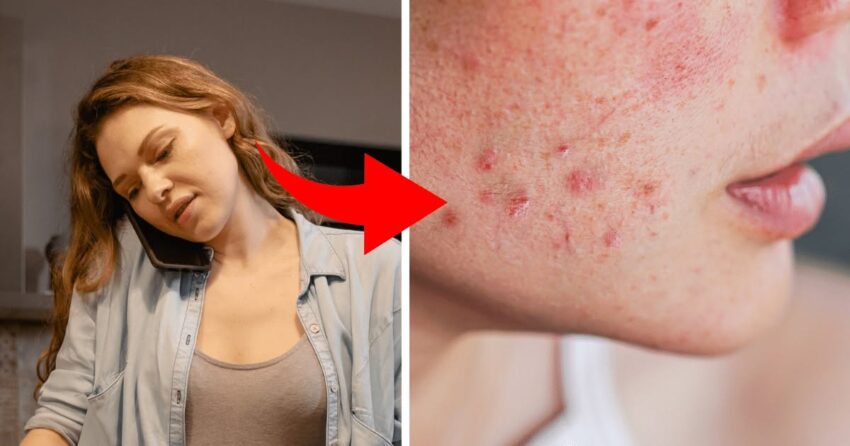
Discover 8 body parts where acne can appear and the common triggers behind breakouts, including hormones, sweat, friction, clogged pores, and hair products.
8 Body Parts Where Acne Can Appear and What Triggers It
Acne isn’t limited to the face. Breakouts can develop almost anywhere the skin contains hair follicles and oil glands. From the chest and back to the buttocks and shoulders, body acne can be uncomfortable, persistent, and sometimes mistaken for other skin conditions.
Understanding where acne appears and what triggers it can make it easier to choose the right approach for clearer skin.
1. Back


Back acne, sometimes called “bacne,” is one of the most common forms of body acne.
Common triggers:
- Excess oil production
- Sweat and heat
- Tight clothing
- Backpacks rubbing against the skin
- Hormonal changes
- Hair and skin-care products that clog pores
Because the back has many oil glands, pores can become clogged with oil and dead skin cells, leading to blackheads, whiteheads, pimples, or deeper inflamed lesions.
2. Chest


Chest acne can appear as small bumps, whiteheads, blackheads, or inflamed pimples.
Common triggers:
- Sweating
- Friction from clothing
- Hormonal fluctuations
- Occlusive moisturizers or sunscreens
- Exercise
- Staying in sweaty clothing for long periods
Wearing breathable clothing and showering after heavy sweating may help reduce breakouts.
3. Shoulders


The shoulders can develop acne because they contain numerous hair follicles and oil glands. Fricton can make the problem worse.
Common triggers:
- Backpack or bag straps
- Tight clothing
- Sports equipment
- Sweat
- Hair products running onto the shoulders
- Hormonal changes
If breakouts consistently occur exactly where a strap or piece of equipment contacts the skin, friction and occlusion may be contributing factors.
4. Upper Arms


Not every bump on the upper arm is acne.
Small, rough, flesh-colored bumps on the upper arms are often keratosis pilaris, a condition caused by buildup of keratin around hair follicles. True acne can also occur, particularly when sweat, friction, or pore-clogging products are involved.
Possible triggers:
- Friction
- Sweat
- Occlusive skin products
- Hair-follicle blockage
- Shaving or irritation
If the bumps are rough and uniform rather than typical pimples, they may not be acne at all.
5. Buttocks


What people call “butt acne” isn’t always acne.
Small red bumps or pus-filled spots on the buttocks are frequently related to folliculitis, which is inflammation of the hair follicles. Sweat, friction, shaving, and prolonged sitting can contribute.
Common triggers:
- Tight clothing
- Sweating
- Friction
- Shaving or waxing
- Prolonged sitting
- Occlusive fabrics or products
Because folliculitis can resemble acne, persistent bumps in this area may require a professional diagnosis.
6. Neck


Neck breakouts can occur along the jawline, sides of the neck, or back of the neck.
Common triggers:
- Hormonal changes
- Sweat
- Friction from collars
- Hair-care products
- Shaving
- Skin-care products that clog pores
Hormonal acne often affects the lower face and jawline, but the neck can also be involved.
7. Buttocks and Upper Thigh Area


The upper thighs, particularly areas exposed to rubbing, can develop acne-like bumps.
Common triggers:
- Skin-to-skin friction
- Tight clothing
- Sweat and humidity
- Hair removal
- Ingrown hairs
- Folliculitis
If bumps develop after shaving or waxing, ingrown hairs or folliculitis may be more likely than conventional acne.
8. Scalp and Hairline


Pimples can appear along the hairline and, in some cases, on the scalp.
Common triggers:
- Oily hair
- Hair-styling products
- Sweat
- Dead skin-cell buildup
- Occlusive products
- Hormonal changes
Hair products containing oils or ingredients that remain on the skin can contribute to hairline breakouts, particularly if they migrate from the scalp onto the forehead and neck.
Why Does Body Acne Happen?
Acne develops when hair follicles become clogged with oil (sebum), dead skin cells, and other debris. Certain bacteria and inflammation can then contribute to pimples.
Several factors can increase the likelihood of breakouts:
Hormones
Hormonal fluctuations can increase oil production and contribute to acne. This is why acne can become more noticeable during puberty and around certain hormonal changes.
Sweat and Heat
Sweating doesn’t automatically cause acne, but heat and moisture combined with friction and occlusion can create conditions that encourage breakouts.
Friction
Repeated rubbing from backpacks, tight clothing, sports equipment, or skin-to-skin contact can contribute to acne in susceptible people. This is sometimes referred to as acne mechanica.
Hair and Skin Products
Some oily or heavy products can clog pores in acne-prone individuals. Hair products are particularly relevant when breakouts appear around the hairline, neck, shoulders, or upper back.
Genetics
Some people are simply more prone to acne because of their genetics, oil production, and how their skin responds to clogged pores and inflammation.
How Can You Reduce Body Acne?
A few basic habits can help:
- Shower after exercising or heavy sweating.
- Change out of sweaty clothing promptly.
- Choose loose, breathable clothing when possible.
- Avoid repeatedly scrubbing or picking at pimples.
- Wash clothing, towels, and workout gear regularly.
- Choose non-comedogenic skin and hair products when possible.
- Avoid excessively oily products on acne-prone areas.
- Don’t squeeze or pop inflamed spots.
For mild body acne, an over-the-counter product containing benzoyl peroxide or salicylic acid may help some people. Follow the product directions, and remember that benzoyl peroxide can bleach fabrics.
When Should You See a Dermatologist?
Consider professional advice if your acne:
- Is painful or deeply inflamed
- Leaves scars or dark marks
- Covers large areas of the body
- Keeps returning despite appropriate care
- Is getting progressively worse
- Is affecting your confidence or quality of life
Also, don’t assume every body bump is acne. Folliculitis, keratosis pilaris, ingrown hairs, fungal infections, and other skin conditions can look similar but require different treatment.
Final Thoughts
Body acne can appear in many places, including the back, chest, shoulders, upper arms, buttocks, neck, thighs, and hairline/scalp. The triggers vary from person to person, but hormones, sweat, friction, clogged follicles, and certain products are common contributors.
The most important step is to identify what kind of bumps you’re actually dealing with. Once the cause is understood, choosing an appropriate treatment becomes much easier.