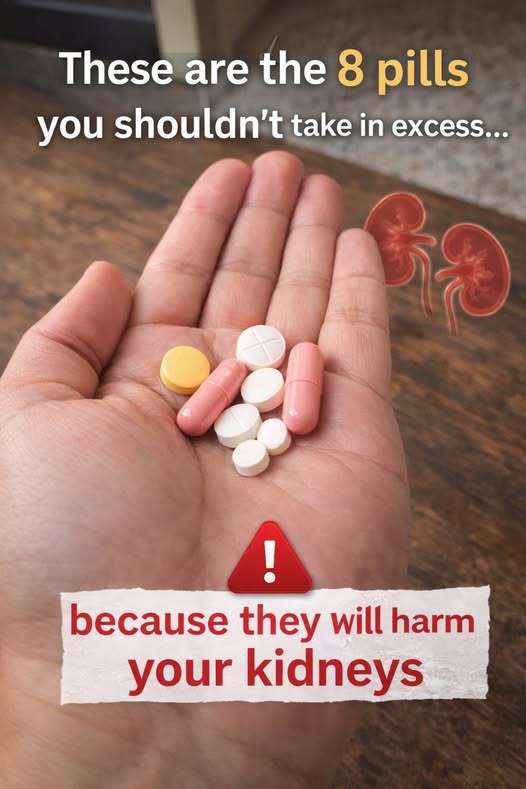
Learn which commonly used medications can affect kidney function when taken too often or at excessive doses, plus safer habits and warning signs that need medical attention.
8 Common Medications You Should Avoid Taking in Excess to Protect Your Kidneys
Many medications are safe and effective when taken at the recommended dose. However, taking too much, taking them too frequently, or combining certain medicines without medical guidance can put stress on the kidneys.
Your kidneys filter waste from the blood and help regulate fluid, electrolytes, and blood pressure. Because many medicines or their metabolites are cleared through the kidneys, excessive use can sometimes contribute to kidney injury.
1. Ibuprofen
Ibuprofen belongs to a group called NSAIDs (nonsteroidal anti-inflammatory drugs). Frequent or excessive NSAID use can reduce blood flow to the kidneys and increase the risk of kidney injury, particularly in people who are dehydrated or already have kidney problems.
2. Naproxen
Naproxen is another NSAID used for pain and inflammation. Like other NSAIDs, taking more than recommended or using it regularly without medical supervision can increase kidney risks.
3. Aspirin
Aspirin affects the kidneys differently depending on the dose and the reason it is being taken. Don’t stop prescribed low-dose aspirin on your own, particularly if it was recommended to reduce cardiovascular risk. The concern is inappropriate or excessive dosing rather than properly supervised treatment.
4. Diclofenac
Diclofenac is another NSAID used for pain and inflammation. Taking high doses or using it for extended periods can increase the risk of kidney problems, especially in people with existing kidney disease, dehydration, heart failure, or other risk factors.
5. Certain antibiotics
Some antibiotics can affect kidney function, particularly in susceptible people or when doses aren’t adjusted appropriately for kidney function.
Examples include certain aminoglycosides and other nephrotoxic antibiotics. Antibiotics should only be taken when prescribed and exactly as directed.
6. Some antiviral medications
Certain antiviral medicines can affect the kidneys or require dose adjustments when kidney function is reduced. This doesn’t mean they should be avoided when medically necessary—rather, they should be used under appropriate medical supervision.
7. Some acid-reducing medications
Certain proton pump inhibitors (PPIs), such as omeprazole and similar medicines, have been associated with kidney problems in some people. This does not mean everyone taking them will develop kidney disease, but long-term use should be periodically reviewed with a healthcare professional.
8. Some laxatives and bowel-preparation products
Certain products used for constipation or bowel preparation can cause problems when misused, particularly if they contribute to dehydration or electrolyte disturbances. Always follow the recommended dose and preparation instructions.
Who needs to be especially careful?
Medication-related kidney problems are more likely in people who:
- Already have kidney disease
- Are dehydrated
- Are older
- Have heart failure or certain other chronic conditions
- Take several medications simultaneously
- Take higher-than-recommended doses
- Use NSAIDs frequently
⚠️ Don’t double up on pain medicines
One common mistake is taking several products that contain similar ingredients. Some cold, flu, and pain products contain overlapping medications, making it surprisingly easy to exceed the recommended dose.
Always check the active ingredients and follow the label or your doctor’s instructions.
Warning signs that shouldn’t be ignored
Possible symptoms of significant kidney problems can include much less urine than usual, swelling in the legs or feet, unusual fatigue, nausea, confusion, or shortness of breath. These symptoms can have many causes, but they warrant medical evaluation.
If you suspect you’ve taken too much medication, don’t wait for symptoms to appear. Contact a healthcare professional or local poison/emergency service for advice.
Important: Never stop a prescribed medication simply because you read that it can affect the kidneys. Some medicines are essential, and the safest approach is to discuss dose, duration, and alternatives with your doctor or pharmacist.