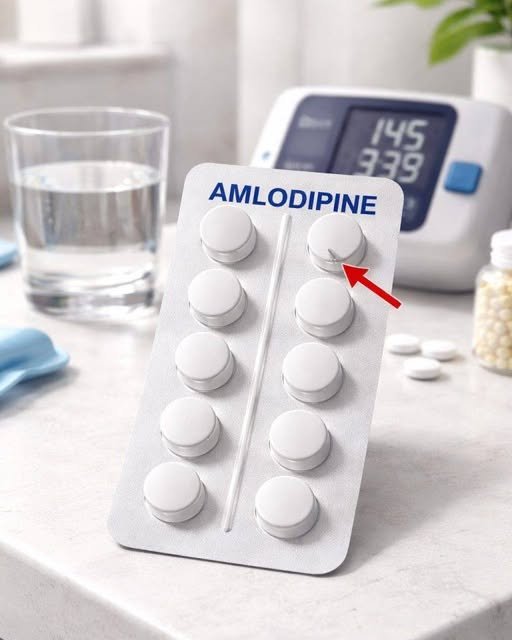
Taking amlodipine? Learn 8 habits to avoid or discuss with your healthcare professional, including excessive alcohol, grapefruit concerns, missed doses, and unsafe medication changes.
8 Habits You Should Stop This Year If You Are Taking Amlodipine — And Why
Amlodipine is a commonly prescribed calcium-channel blocker used to treat high blood pressure and certain types of chest pain. For many people, it works well and can be taken safely for long periods when used as prescribed.
But some everyday habits can make managing blood pressure more difficult or increase the chance of side effects.
If you take amlodipine, here are eight habits worth reconsidering.
1. Don’t Stop Amlodipine Because You Feel Better
High blood pressure often has no obvious symptoms. You may feel completely fine even when your blood pressure remains elevated.
Stopping amlodipine without medical advice can allow your blood pressure to rise again and may increase cardiovascular risk.
Take it exactly as prescribed. If you want to stop or change the dose, speak with your healthcare professional first.
2. Don’t Regularly Forget Your Dose
Amlodipine is usually taken once daily, and consistency matters.
If you frequently forget doses, consider linking the medication to an established daily routine, such as brushing your teeth or eating breakfast.
If you miss a dose, follow the instructions provided with your prescription or ask your pharmacist what to do. Don’t automatically double the next dose.
3. Don’t Ignore Persistent Ankle Swelling
Swelling of the ankles or feet is a known side effect of amlodipine.
It may become more noticeable after standing for long periods.
Mild swelling isn’t necessarily dangerous, but new, severe, painful, or rapidly worsening swelling should be discussed with a healthcare professional.
If swelling occurs with shortness of breath, chest pain, or significant weakness, seek urgent medical attention.
4. Be Careful With Excessive Alcohol
Alcohol can lower blood pressure and may make some amlodipine side effects—such as dizziness or lightheadedness—more noticeable.
If you drink alcohol, ask your healthcare professional whether your current intake is appropriate, particularly if you already experience low blood pressure or dizziness.
5. Don’t Assume Every Supplement Is Safe
“Natural” doesn’t automatically mean risk-free.
Some supplements and herbal products can affect blood pressure, heart function, or the way medications work.
Before adding a supplement, tell your doctor or pharmacist about it. This is especially important if you’re taking several medications.
6. Don’t Ignore Repeated Dizziness
Amlodipine lowers blood pressure. In some people, this can contribute to dizziness or lightheadedness, particularly when starting treatment or changing the dose.
If you repeatedly feel faint, unsteady, or unusually weak, don’t simply push through it.
Check your blood pressure if you have been instructed to monitor it at home and discuss repeated symptoms with your healthcare professional.
7. Don’t Rely on Medication While Ignoring Your Lifestyle
Amlodipine can help control blood pressure, but it works best as part of an overall cardiovascular-health plan.
Helpful habits include:
- Limiting excessive sodium
- Eating plenty of vegetables and fruits
- Choosing whole grains and high-fiber foods
- Staying physically active
- Maintaining a healthy weight
- Avoiding tobacco
- Getting adequate sleep
- Managing stress
Medication and lifestyle changes often work together rather than competing with each other.
8. Don’t Ignore New or Severe Symptoms
Most people tolerate amlodipine well, but certain symptoms should never simply be dismissed.
Seek urgent medical attention if you develop symptoms such as:
- Chest pain that is new or severe
- Severe shortness of breath
- Fainting
- Severe allergic symptoms, including swelling of the face, lips, tongue, or throat
- A rapid or irregular heartbeat accompanied by significant symptoms
These symptoms may have causes unrelated to amlodipine, but they still require prompt evaluation.
What About Grapefruit?
Amlodipine does not have the same well-known grapefruit interaction as some other calcium-channel blockers, such as felodipine or nifedipine. However, medication interactions can depend on your complete treatment regimen.
If you regularly consume large amounts of grapefruit or grapefruit juice, or take multiple medications, ask your pharmacist whether there are any concerns specific to your prescriptions.
What Should You Do If Amlodipine Causes Side Effects?
Don’t stop taking it abruptly or change the dose yourself.
Instead, tell your healthcare professional:
- What symptoms you’re experiencing
- When they started
- Your current dose
- Other medications you’re taking
- Any supplements or herbal products you use
- Your recent blood-pressure readings, if available
Your clinician can determine whether the symptom is related to amlodipine and whether your treatment needs adjustment.
A Simple Daily Routine for People Taking Amlodipine
A practical routine can make medication management easier:
Take your medication at the same time each day.
Monitor your blood pressure if your healthcare professional has recommended home monitoring.
Stay active according to your ability and medical advice.
Limit excessive sodium and alcohol.
Keep a list of all medications and supplements you take.
Attend follow-up appointments even when you feel well.
The Bottom Line
Taking amlodipine doesn’t mean you need to completely change your life. The most important habits to avoid are stopping or changing the medication without medical advice, repeatedly missing doses, ignoring troublesome side effects, and overlooking lifestyle factors that influence blood pressure.
Ankle swelling and dizziness are among the side effects worth discussing if they persist or become bothersome.
Most importantly, don’t make medication changes based on an online article. Your doctor or pharmacist can determine what’s safest for your specific situation.