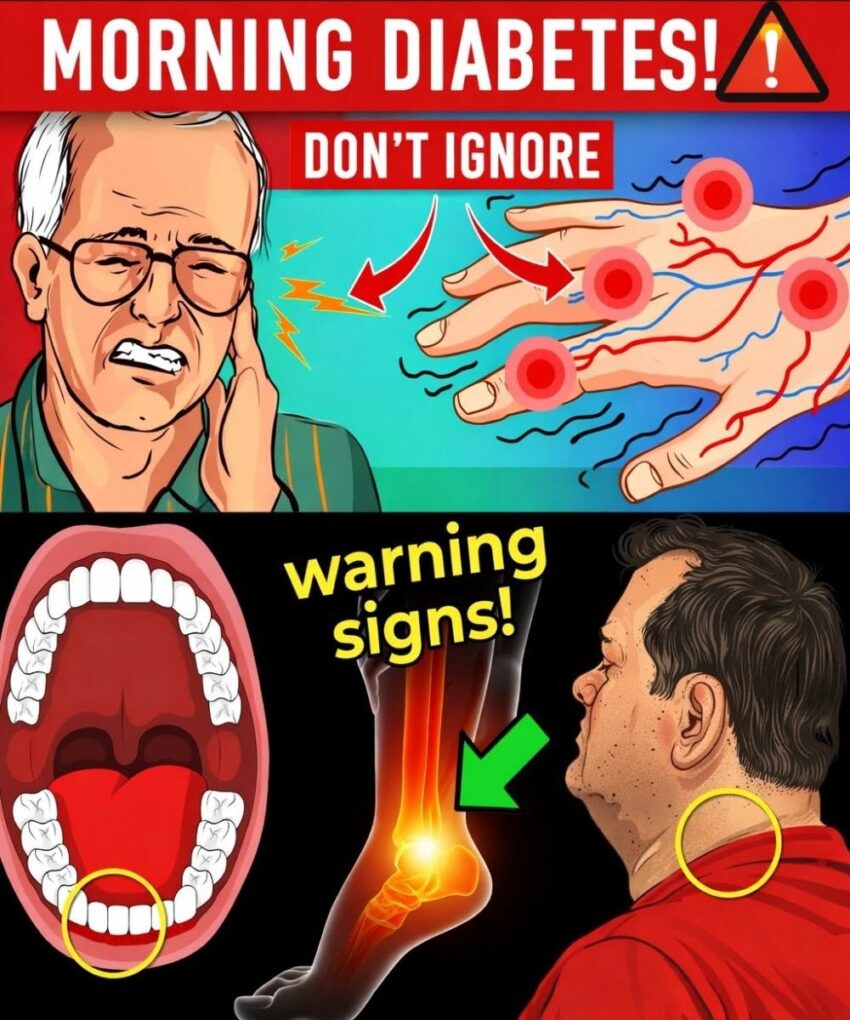
Waking up thirsty, exhausted, nauseated, or with blurred vision? Learn 7 morning warning signs that may indicate high or unstable blood sugar and when to seek medical help.
7 Dangerous Morning Signs Your Blood Sugar Is Out of Control
What happens during the first hour after waking up can sometimes provide useful clues about your health. For people with diabetes or blood-sugar problems, certain morning symptoms may occur when glucose levels are too high, too low, or fluctuating significantly overnight.
However, these symptoms are not proof that your blood sugar is out of control. Many have other possible causes. The best way to know what your glucose is doing is to check it with an appropriate glucose meter or continuous glucose monitor and discuss unusual readings with a healthcare professional.
Here are seven morning signs worth paying attention to.
1. You Wake Up Extremely Thirsty
Waking up with an unusually dry mouth and strong thirst can occur when blood glucose is elevated.
When glucose levels become too high, the kidneys may remove more glucose through urine. This can increase fluid loss and contribute to dehydration, which can make you feel thirsty.
Occasional morning thirst is usually not a reason to panic. But persistent excessive thirst, especially when accompanied by frequent urination, fatigue, or unexplained weight loss, deserves medical attention.
2. You Need to Urinate Frequently During the Night
If you repeatedly wake up to use the bathroom, elevated blood sugar can be one possible explanation.
When blood glucose rises above the kidney’s ability to reabsorb it, glucose can enter the urine and draw additional water with it. This can lead to increased urination.
But nighttime urination can also be caused by other issues, including drinking a lot of fluids before bed, certain medications, urinary problems, sleep disorders, or other medical conditions.
3. You Wake Up With a Headache
A morning headache has many possible causes, including poor sleep, dehydration, caffeine withdrawal, sleep apnea, and other conditions.
Blood-sugar changes can also contribute to headaches in some people. For someone with diabetes, checking glucose when the headache occurs may help determine whether there is a relationship.
If headaches are frequent or severe, don’t assume that blood sugar is automatically responsible.
4. You Feel Extremely Tired Despite Sleeping
Feeling exhausted immediately after waking up can be frustrating, especially after what seemed like a full night’s sleep.
High blood sugar can be associated with fatigue because the body may not be able to use glucose effectively for energy. Blood sugar that becomes too low overnight can also cause symptoms such as sweating, shakiness, confusion, or weakness.
Other causes—including insufficient sleep, sleep apnea, stress, anemia, medications, and many other health conditions—can also cause morning fatigue.
5. Your Vision Seems Blurry
Temporary blurred vision can occur when blood glucose changes significantly.
Changes in glucose levels can affect fluid levels in the eye and temporarily alter vision. If your vision repeatedly becomes blurry, checking your blood sugar and discussing the symptom with a healthcare professional is important.
Sudden vision loss or major changes in vision require urgent medical assessment.
6. You Wake Up Nauseated or Weak
Morning nausea, weakness, or feeling generally unwell can have numerous causes.
For people with diabetes, however, significant high blood sugar—particularly when accompanied by excessive thirst, frequent urination, abdominal pain, vomiting, deep or rapid breathing, confusion, or unusual sleepiness—can be a warning sign of a serious complication called diabetic ketoacidosis (DKA).
DKA is a medical emergency. It can occur more commonly in people with type 1 diabetes but can also occur in people with type 2 diabetes.
If these symptoms occur with very high glucose or suspected ketones, seek urgent medical care rather than trying to treat the problem at home.
7. You Wake Up Shaky, Sweaty, or Confused
Not every morning blood-sugar warning sign involves high glucose.
If your blood sugar falls too low during the night, you may wake up feeling shaky, sweaty, hungry, weak, dizzy, anxious, or confused. Some people may experience nightmares or disturbed sleep.
For people taking insulin or certain diabetes medications, overnight hypoglycemia can be particularly important to discuss with a healthcare professional.
Severe hypoglycemia can cause confusion, seizures, loss of consciousness, and other dangerous complications.
What Is the “Dawn Phenomenon”?
Some people with diabetes experience a rise in blood glucose during the early morning hours. This is commonly known as the dawn phenomenon.
Hormones released as the body prepares to wake up can cause blood glucose to rise. The pattern can vary from person to person, so repeatedly high morning readings should be discussed with a healthcare professional rather than treated based on guesswork.
Don’t Rely on Symptoms Alone
One of the biggest mistakes is assuming that you can always tell when your blood sugar is high or low.
Some people have few or no noticeable symptoms, even when glucose is outside their target range. That’s why blood-glucose monitoring is important for people who have been advised to monitor their levels.
If you consistently notice unusual morning symptoms, consider recording:
- Your glucose reading when you wake up
- Your symptoms
- What you ate the previous evening
- Your medications and timing
- Whether you exercised
- How well you slept
This information can help your healthcare professional identify patterns.
When Is It an Emergency?
Seek urgent medical attention if symptoms suggest a serious glucose problem, particularly vomiting, severe weakness, confusion, difficulty staying awake, trouble breathing, seizures, or loss of consciousness.
People with diabetes should follow their personal sick-day and emergency plan and use ketone testing when their healthcare professional has recommended it.
Final Takeaway
Morning thirst, frequent urination, fatigue, blurred vision, nausea, shakiness, sweating, or confusion can sometimes be associated with abnormal blood sugar—but they are not specific enough to diagnose diabetes or determine whether glucose is controlled.
The safest approach is to monitor your glucose when appropriate, recognize recurring patterns, and speak with a healthcare professional about persistent or unusual symptoms.
Don’t panic over one symptom—but don’t repeatedly ignore warning signs either. Your morning routine may provide an important reason to check what’s happening with your blood sugar.
Medical disclaimer: This article is for general educational purposes only and does not diagnose, treat, or replace professional medical advice. If you experience severe symptoms or suspect dangerously high or low blood sugar, seek urgent medical care.