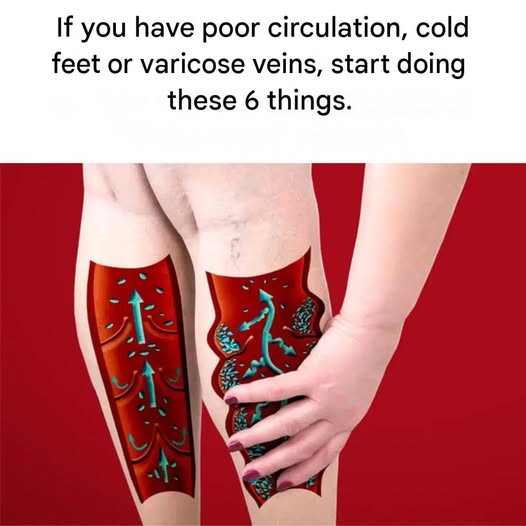
Learn practical ways to support healthy blood circulation and reduce cold feet, including regular movement, keeping warm, avoiding smoking, staying hydrated, and knowing when persistent cold feet may need medical attention.
Improve Blood Circulation and Say Goodbye to Cold Feet With These Tips
Cold feet are common, especially during cold weather. But if your feet are frequently cold even when the surrounding temperature is comfortable, it may be worth paying attention to the possible cause.
Sometimes cold feet are simply a response to low temperatures. In other cases, they can be associated with circulation problems, nerve issues, thyroid conditions, anemia, certain medications, or other health conditions.
The good news is that several everyday habits can support healthy circulation.
1. Keep Your Feet Warm
Start with the simplest solution.
Wear warm socks and comfortable footwear, particularly in cold weather. Avoid shoes or socks that are so tight that they leave marks or make your feet uncomfortable.
Don’t place numb or very cold feet directly against a very hot heating device, as reduced sensation can increase the risk of burns.
2. Move Your Legs Regularly
Long periods of sitting can leave your legs and feet feeling cold or uncomfortable.
Try standing up and walking around periodically. Even short periods of movement throughout the day can help keep your legs active.
Walking, cycling, swimming, and other forms of regular physical activity can also support cardiovascular health.
3. Try Simple Foot and Ankle Movements
If you’ve been sitting for a while, gently move your ankles:
- Rotate each ankle slowly.
- Point and flex your feet.
- Wiggle your toes.
- Rise onto your toes and lower back down if comfortable.
These movements are particularly useful during long periods of sitting.
4. Avoid Smoking
Smoking damages blood vessels and can reduce blood flow to the extremities.
If you smoke, quitting is one of the most beneficial steps you can take for your cardiovascular and overall health.
5. Maintain a Healthy Weight and Balanced Diet
Your circulation is closely connected to your overall cardiovascular health.
Build meals around vegetables, fruits, whole grains, beans, nuts, seeds, fish, and other minimally processed foods.
Limiting excessive sodium, added sugars, and highly processed foods can also support heart health.
6. Stay Hydrated
Dehydration can affect how you feel and may contribute to circulation-related symptoms in some situations.
Drink fluids regularly according to your individual needs. If a healthcare professional has instructed you to restrict fluids, follow that advice.
7. Manage Blood Pressure, Cholesterol, and Blood Sugar
Conditions such as high blood pressure, high cholesterol, and diabetes can affect blood vessels and circulation.
Regular checkups and following prescribed treatment can help reduce long-term cardiovascular complications.
8. Don’t Ignore Persistent Cold Feet
Occasional cold feet aren’t usually a reason for alarm.
However, talk with a healthcare professional if your feet are persistently cold, particularly if you also experience:
- Numbness or tingling
- Leg pain when walking
- Skin color changes
- Swelling
- Slow-healing wounds
- Weakness
- One foot becoming noticeably colder than the other
These symptoms can sometimes indicate an underlying circulation or nerve problem that deserves evaluation.
When Cold Feet Need Urgent Attention
Seek urgent medical care if a foot suddenly becomes very cold, pale or blue, severely painful, numb, or weak, especially if the change affects only one leg or foot.
A sudden reduction in blood flow can be a medical emergency.
Final Thoughts
Keeping your body active, staying warm, avoiding smoking, eating a balanced diet, and managing cardiovascular risk factors can all support healthy circulation.
But cold feet aren’t always caused by poor circulation. If the problem is frequent, severe, or accompanied by pain, numbness, color changes, or wounds, it’s better to find the underlying cause rather than simply trying home remedies.