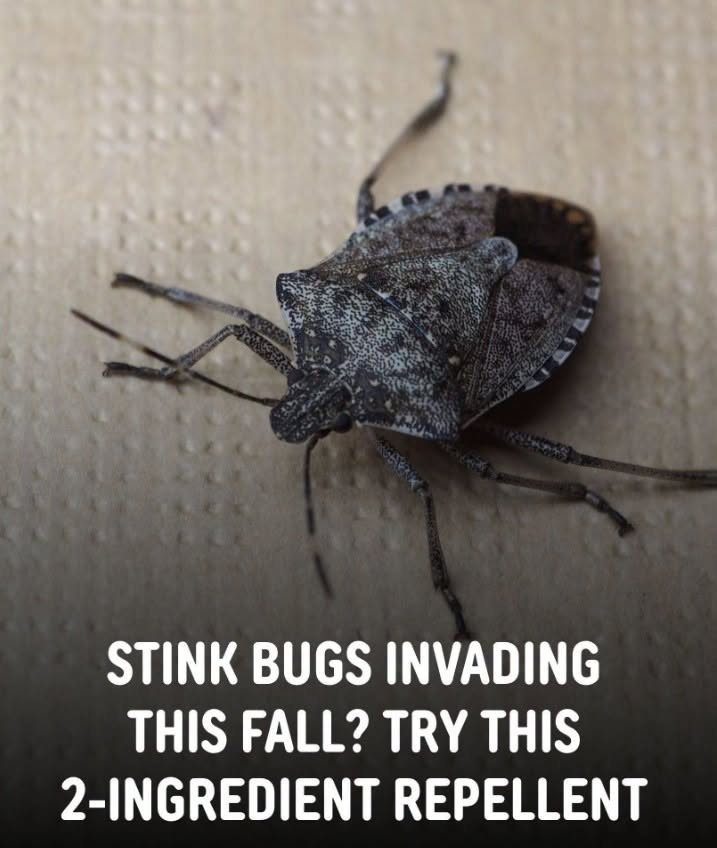
Stink bugs entering your home? Learn how a simple two-ingredient homemade spray may help deter them, plus practical tips to seal entry points and prevent infestations.
Why Are Stink Bugs Trying to Get Into Your Home?
If you have noticed stink bugs gathering around your windows, doors, or curtains, you are not alone. These shield-shaped insects often move toward houses when outdoor temperatures begin to change. They may gather on sunny walls, slip through small gaps, and search for sheltered places to spend colder months.
Although stink bugs can be unpleasant to discover indoors, most do not bite people or cause structural damage to homes. Their biggest drawback is the strong, unpleasant odor they can release when crushed or threatened.
The good news is that a few simple household measures may help reduce the number of stink bugs entering your home. One popular approach uses two common ingredients, but it is important to understand what the mixture can—and cannot—do.
The Simple Two-Ingredient Mix
A commonly suggested homemade option combines water and mild liquid dish soap. Soap solutions can affect insects that are directly contacted, but this mixture should not be treated as a proven long-lasting stink bug repellent.
What You Need
- 1 cup of water
- A few drops of mild liquid dish soap
- A clean spray bottle
How to Prepare It
- Pour the water into a clean spray bottle.
- Add a few drops of mild liquid dish soap.
- Close the bottle and gently swirl it to combine the ingredients.
- Label the bottle clearly and keep it away from children and pets.
How to Use It Safely
Do not spray the mixture throughout your home in the hope of creating a protective barrier. Soap solutions generally work through direct contact, and their effectiveness against stink bugs is limited.
If you choose to use the mixture, test it on a small, inconspicuous area first. Avoid spraying it on delicate fabrics, painted surfaces, electronics, food-preparation areas, or plants, as soap may cause damage. Never mix dish soap with bleach or other cleaning chemicals.
For stink bugs already inside, a safer and more reliable option is often to gently collect them with a tissue or vacuum them up. If using a vacuum, empty the collection container outdoors promptly, because trapped stink bugs may still release an odor.
Five Better Ways to Keep Stink Bugs Out
A homemade spray may have limited benefits, but preventing insects from entering is usually more effective.
1. Seal Gaps Around Windows and Doors
Stink bugs can enter through surprisingly small openings. Inspect window frames, door edges, utility openings, and areas where pipes enter the house.
Use suitable caulk to seal stationary gaps and install weatherstripping around doors and windows. Repair damaged window screens and make sure exterior doors close properly.
2. Check Window Screens
Even a small tear in a screen can create an easy entry point. Examine screens carefully, particularly in rooms where you frequently notice insects.
Repair holes or replace damaged screens. Keep doors and windows closed when screens are not available.
3. Reduce Outdoor Lighting Near Entrances
Stink bugs are not attracted to every type of light in the same way, but outdoor lighting can attract various insects and increase insect activity near entrances.
Consider switching off unnecessary lights near doors and windows, or use well-positioned, warm-colored outdoor lighting where practical.
4. Remove Insects Without Crushing Them
When you spot a stink bug indoors, resist the temptation to squash it. Crushing or disturbing one can release its characteristic odor.
Instead, place a container over the insect, slide a piece of paper underneath, and carry it outside. You can also use a vacuum, followed by promptly emptying it outdoors.
5. Inspect Before Cold Weather Arrives
In many regions, stink bugs gather on the sunny sides of buildings before moving into sheltered spaces. Inspect exterior walls, window frames, vents, and doorways during periods when insects become more noticeable.
Preventive sealing is particularly useful before the weather turns cold, because once stink bugs enter wall voids or other hidden spaces, removing every insect can be difficult.
Do Vinegar, Garlic, or Essential Oils Work?
You may see online recommendations for vinegar, garlic, peppermint oil, or other strongly scented ingredients. However, reliable evidence that these homemade mixtures consistently prevent stink bugs from entering homes is limited.
Some substances may temporarily discourage insects under particular conditions, but they should not replace sealing entry points and repairing screens.
Be cautious with essential oils, especially around cats, dogs, children, and people with respiratory sensitivities. Concentrated oils can be harmful, and spraying them on surfaces may cause damage.
What If You Already Have Stink Bugs Indoors?
Finding an occasional stink bug does not necessarily mean you have a major infestation. These insects may enter through gaps or emerge from sheltered areas inside the structure.
Try these steps:
- Collect visible insects without crushing them.
- Check window sills, curtains, and door frames for additional insects.
- Seal obvious gaps and repair damaged screens.
- Avoid spraying large amounts of household mixtures into wall cavities or electrical openings.
- Contact a licensed pest-control professional if large numbers repeatedly appear or the insects are emerging from inaccessible spaces.
Stink bugs generally do not reproduce indoors in the same way that some household pests do. However, several may gather in the same sheltered location, so repeated sightings can indicate an entry point that needs attention.
Frequently Asked Questions
Does dish soap and water keep stink bugs away?
A dish-soap solution may affect insects that it directly contacts, but it is not a reliable long-lasting repellent. Sealing gaps and repairing screens are more dependable prevention methods.
Will spraying around windows stop stink bugs from entering?
Not necessarily. A homemade spray may not provide lasting protection. Inspect the window frames, seal gaps, and repair any damaged screens instead.
Should I crush stink bugs?
It is best to avoid crushing them because they can release an unpleasant odor. Gently collect them or use a vacuum and empty it outdoors.
Are stink bugs dangerous to people?
Most common household stink bugs are not dangerous to people and do not normally bite. Their odor can be unpleasant, and people should avoid handling unfamiliar insects unnecessarily.
The Bottom Line
A two-ingredient mixture of water and mild dish soap is easy to prepare, but it should not be considered a guaranteed solution for keeping stink bugs away. Its usefulness is limited, and it may damage certain surfaces.
For longer-lasting results, focus on the steps that address the real problem: seal gaps, maintain window screens, close doors properly, and remove insects without crushing them. These simple preventive measures can make your home less accessible to stink bugs without relying on harsh chemicals or unproven remedies.