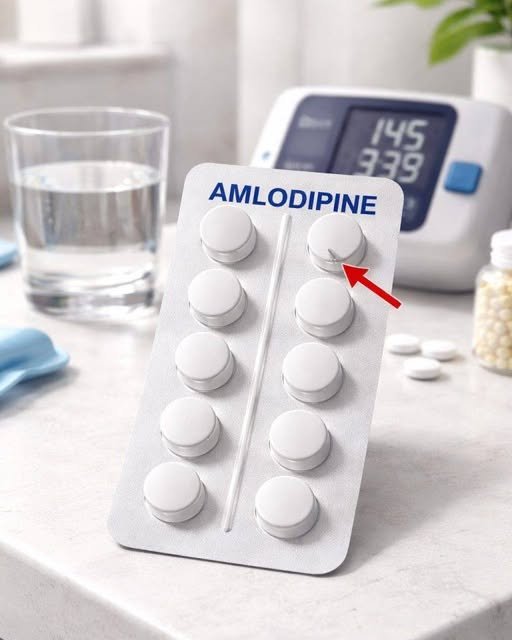
Taking amlodipine? Learn 8 habits to avoid or discuss with your healthcare professional, including excessive alcohol, grapefruit concerns, missed doses, and unsafe medication changes.
8 Habits You Should Stop This Year If You Are Taking Amlodipine — And Why
Amlodipine is a commonly prescribed calcium-channel blocker used to treat high blood pressure and certain types of chest pain. For many people, it works well and can be taken safely for long periods when used as prescribed.
But some everyday habits can make managing blood pressure more difficult or increase the chance of side effects.
If you take amlodipine, here are eight habits worth reconsidering.
1. Don’t Stop Amlodipine Because You Feel Better
High blood pressure often has no obvious symptoms. You may feel completely fine even when your blood pressure remains elevated.
Stopping amlodipine without medical advice can allow your blood pressure to rise again and may increase cardiovascular risk.
Take it exactly as prescribed. If you want to stop or change the dose, speak with your healthcare professional first.
2. Don’t Regularly Forget Your Dose
Amlodipine is usually taken once daily, and consistency matters.
If you frequently forget doses, consider linking the medication to an established daily routine, such as brushing your teeth or eating breakfast.
If you miss a dose, follow the instructions provided with your prescription or ask your pharmacist what to do. Don’t automatically double the next dose.
3. Don’t Ignore Persistent Ankle Swelling
Swelling of the ankles or feet is a known side effect of amlodipine.
It may become more noticeable after standing for long periods.
Mild swelling isn’t necessarily dangerous, but new, severe, painful, or rapidly worsening swelling should be discussed with a healthcare professional.
If swelling occurs with shortness of breath, chest pain, or significant weakness, seek urgent medical attention.
4. Be Careful With Excessive Alcohol
Alcohol can lower blood pressure and may make some amlodipine side effects—such as dizziness or lightheadedness—more noticeable.
If you drink alcohol, ask your healthcare professional whether your current intake is appropriate, particularly if you already experience low blood pressure or dizziness.
5. Don’t Assume Every Supplement Is Safe
“Natural” doesn’t automatically mean risk-free.
Some supplements and herbal products can affect blood pressure, heart function, or the way medications work.
Before adding a supplement, tell your doctor or pharmacist about it. This is especially important if you’re taking several medications.