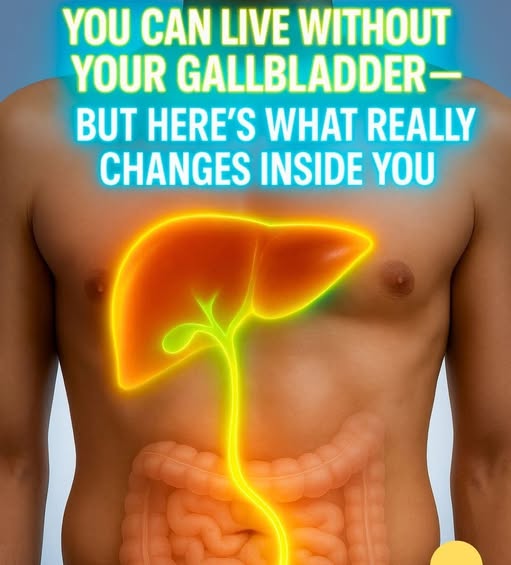
Living without a gallbladder is usually possible and safe. Learn what changes after gallbladder removal, how digestion adapts, common symptoms, and what you can do to support healthy digestion.
You Can Live Without Your Gallbladder — But Here’s What Really Changes Inside You
The gallbladder may be small, but it plays an important role in digestion. If you’ve had your gallbladder removed—or you’re preparing for surgery—you may wonder what happens afterward.
The reassuring news is that most people can live normally without a gallbladder. Your liver continues to produce bile, which your body needs to digest fats. The main difference is how bile is stored and delivered to your intestines.
What Does the Gallbladder Normally Do?
Your liver constantly produces bile, a digestive fluid that helps break down fats.
The gallbladder acts like a small storage pouch. Between meals, it stores and concentrates bile. When you eat a meal containing fat, the gallbladder contracts and releases bile into the small intestine.
So, the gallbladder doesn’t make bile—the liver does. It mainly stores and releases it at the appropriate time.
What Changes After Gallbladder Removal?
During gallbladder removal, called a cholecystectomy, the liver remains in place and continues producing bile.
Without the gallbladder, however, there is no reservoir for storing bile. Instead, bile flows more continuously from the liver through the bile ducts and into the small intestine.
This usually provides enough bile for normal digestion.
1. Fat digestion may feel different
Some people notice that particularly fatty or greasy meals are harder to tolerate after surgery.
They may experience:
- Loose stools
- Urgency to use the bathroom
- Bloating
- Gas
- Abdominal discomfort
- Diarrhea after eating
These symptoms often improve as the digestive system adjusts.
2. You may tolerate smaller meals better
Large, high-fat meals can sometimes trigger digestive symptoms because bile is no longer released from a gallbladder in a concentrated burst.
Eating smaller portions throughout the day may be more comfortable, particularly during the early recovery period.
3. You don’t necessarily need a permanent low-fat diet
A common misconception is that everyone without a gallbladder must avoid fat forever.
That’s not necessarily true.
Many people eventually return to a regular, balanced diet. However, foods that are very fatty, fried, or greasy may continue to cause symptoms in some individuals.
Instead of eliminating fat completely, focus on moderate portions and healthier sources of fat, such as fish, nuts, seeds, and plant oils.
Why Can Diarrhea Happen?
One reason is that bile can reach the intestine more continuously after gallbladder removal.
In some people, excess bile acids reaching the colon can stimulate bowel movements and contribute to chronic diarrhea. This condition is sometimes called bile acid diarrhea.
If diarrhea persists rather than gradually improving, it’s worth discussing it with a healthcare professional. Treatment is available for bile acid-related symptoms.
What Happens to Your Liver?
Your liver doesn’t stop working because your gallbladder has been removed.
It continues producing bile and performing its many other functions, including processing nutrients and medications and helping remove certain substances from the bloodstream.
The liver simply sends bile directly through the bile ducts rather than storing it in the gallbladder.
What About Weight Gain?
Gallbladder removal itself doesn’t automatically cause weight gain.
Changes in weight after surgery can be related to several factors, including appetite, activity level, diet, recovery, and the foods a person chooses after surgery.
Rather than focusing on the gallbladder alone, maintaining a balanced diet and regular physical activity is generally more important for long-term weight management.
Foods That May Be Easier to Tolerate
During recovery, many people find it helpful to choose relatively simple foods such as:
- Oatmeal
- Rice
- Bananas
- Potatoes
- Vegetables
- Lean poultry
- Fish
- Low-fat dairy, if tolerated
- Whole grains
- Fruits
You don’t necessarily need to follow an extremely restrictive diet. The goal is to identify foods that your own digestive system tolerates well.
Foods That Can Trigger Symptoms
Some people experience more problems with:
- Fried foods
- Very fatty meats
- Heavy cream sauces
- Large amounts of butter
- Fast food
- Greasy snacks
- Very large meals
This doesn’t mean these foods are permanently forbidden. Your tolerance can change over time.
Can You Live a Completely Normal Life Without a Gallbladder?
Yes.
The gallbladder is useful, but it isn’t essential for survival. Millions of people live without one and continue to eat, exercise, work, travel, and enjoy normal daily activities.
The digestive system simply operates differently after removal.
For many people, the long-term difference is barely noticeable once recovery is complete.
When Should You Talk to a Doctor?
Digestive changes can occur after surgery, but persistent or severe symptoms shouldn’t automatically be blamed on the missing gallbladder.
Seek medical advice if you develop:
- Severe or worsening abdominal pain
- Persistent vomiting
- Fever
- Yellowing of the skin or eyes
- Dark urine or unusually pale stools
- Persistent diarrhea
- Unexplained weight loss
- Symptoms that interfere with daily life
These symptoms can have different causes and may require evaluation.
The Bottom Line
Your gallbladder is helpful, but not essential. After removal, your liver continues producing bile, but instead of being stored and released by the gallbladder, bile flows more continuously into the digestive tract.
Most people adapt well. Some experience temporary—or occasionally persistent—changes such as bloating, gas, or diarrhea, particularly after fatty meals.
The key is understanding your body’s response, eating a balanced diet, and seeking medical advice when symptoms are persistent or concerning.