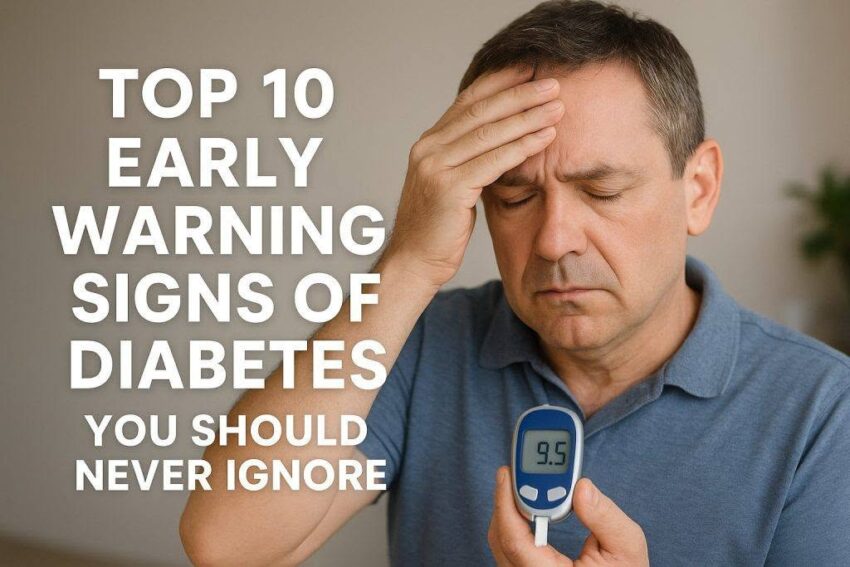
Diabetes can develop gradually, and some people may have few or no noticeable symptoms in the early stages. However, certain changes in your body can be warning signs that your blood glucose levels are higher than normal.
Recognizing these signs early is important because untreated diabetes can eventually damage the eyes, kidneys, nerves, heart, and blood vessels.
1. Frequent Urination
One of the classic signs of diabetes is needing to urinate more often than usual, particularly at night.
When blood glucose becomes too high, the kidneys work to remove excess glucose through urine. This can increase urine production and make you visit the bathroom more frequently.
If you’ve suddenly started waking up several times at night to urinate, especially when this wasn’t previously normal for you, it’s worth discussing with a healthcare professional.
2. Excessive Thirst
Frequent urination can lead to fluid loss, which may make you feel unusually thirsty.
You might notice that you’re drinking much more water than usual but still feel thirsty shortly afterward.
Persistent, unexplained thirst—particularly when combined with frequent urination—is a common diabetes warning sign.
3. Feeling Extremely Hungry
Another possible symptom is unusually strong or frequent hunger.
Even though glucose is present in the bloodstream, insulin problems can prevent the body from using glucose effectively. As a result, you may feel hungry again soon after eating.
Persistent increased hunger should be considered alongside other symptoms rather than treated as proof of diabetes by itself.
4. Unexplained Weight Loss
Losing weight without intentionally changing your diet or exercise routine can be a warning sign of diabetes.
When the body cannot use glucose effectively for energy, it may begin breaking down stored fat and muscle instead.
Unintentional weight loss can have many causes, however, so it should always be evaluated rather than automatically attributed to diabetes.
5. Unusual Tiredness
Feeling exhausted after a poor night’s sleep is normal. Constant or unexplained fatigue is different.
When glucose cannot enter cells efficiently, the body may struggle to produce the energy it needs. This can contribute to persistent tiredness or weakness.
If you’re regularly exhausted despite getting enough sleep, consider talking to a healthcare professional.
6. Blurred Vision
High blood glucose can affect the fluid balance in the eye and temporarily change the shape of the lens, resulting in blurred vision.
Vision changes should not be ignored. While diabetes can cause them, blurred vision can also have many other causes.
If your vision suddenly changes, seek medical attention promptly.
7. Slow-Healing Cuts and Wounds
People with diabetes may experience problems with wound healing, particularly when blood glucose remains elevated over time.
You may notice that small cuts, blisters, or sores seem to take unusually long to heal.
Poor circulation and changes in immune function can contribute to these problems.
8. Frequent Infections
Repeated infections can sometimes occur in people with diabetes.
These may include skin infections, urinary tract infections, or certain fungal infections.
Having one infection doesn’t mean you have diabetes, but recurring infections combined with other symptoms deserve medical evaluation.
9. Tingling or Numbness in the Hands or Feet
Persistent tingling, burning, or numbness—especially in the feet or hands—can occur when prolonged high blood glucose damages nerves.
This complication, called diabetic neuropathy, is more commonly associated with diabetes that has been present for some time rather than being an early symptom in everyone.
Nevertheless, unexplained persistent nerve symptoms should be assessed by a healthcare professional.
10. Darkened Skin Around Certain Areas
Some people with insulin resistance develop patches of darker, thicker, velvety-looking skin, particularly around the neck, armpits, or groin.
This condition is known as acanthosis nigricans and can be associated with insulin resistance.
It doesn’t necessarily mean that someone has diabetes, but it can be a reason to discuss blood glucose testing with a healthcare professional.
When Should You Get Tested?
Having one of these symptoms doesn’t automatically mean you have diabetes. Many of them can occur for other reasons.
However, if you’re experiencing several symptoms at once, especially increased thirst, frequent urination, unexplained weight loss, fatigue, or blurred vision, don’t simply wait for them to disappear.
A healthcare professional can check your blood glucose and/or HbA1c and determine whether further testing is appropriate.
Can Diabetes Exist Without Symptoms?
Absolutely.
Type 2 diabetes can develop slowly, and some people don’t notice symptoms until their blood glucose has been elevated for quite some time. That’s why screening can be important even when you feel healthy, particularly if you have risk factors such as excess weight, a family history of type 2 diabetes, high blood pressure, or a history of gestational diabetes.
The Bottom Line
Don’t panic if you recognize one symptom from this list—but don’t ignore persistent or unexplained changes either.
Frequent urination, excessive thirst, increased hunger, unexplained weight loss, fatigue, blurred vision, slow-healing wounds, recurrent infections, nerve symptoms, and darkened skin can all be reasons to talk to a healthcare professional.
The good news is that diabetes can be detected with simple blood tests, and identifying it early gives you an opportunity to start appropriate treatment and reduce the risk of complications.