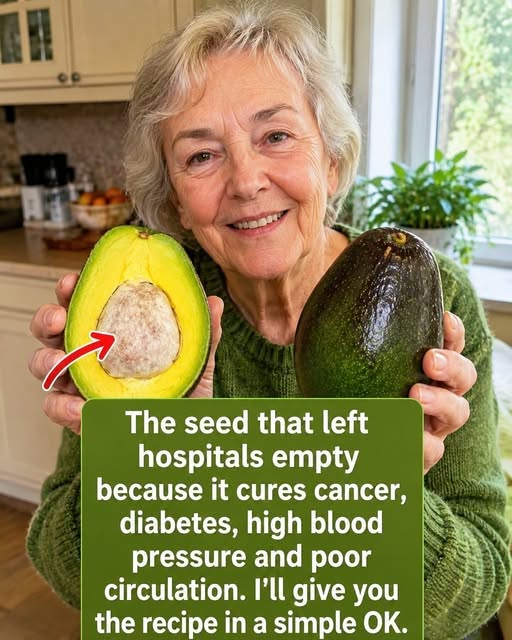
Avocado seeds contain fiber and plant compounds that have attracted scientific interest, but evidence for major heart, blood sugar, or circulation benefits in humans remains limited. Learn what research actually says and how to use avocado safely.
The Avocado Seed: Superfood or Overhyped Remedy?
Avocado is widely recognized as a nutrient-rich fruit, but the large seed in the center has recently gained attention as a potential source of antioxidants, fiber, and other plant compounds.
Online claims sometimes suggest that avocado seed powder or tea can “restore” circulation, regulate blood sugar, protect the heart, or even replace conventional treatments. However, those claims go far beyond what human research currently demonstrates.
There is an important distinction between avocado fruit and avocado seed. Much of the research supporting cardiovascular benefits has studied the edible avocado flesh—not preparations made from the seed.
Research on avocado consumption has found potentially favorable effects on certain cardiovascular risk factors, particularly LDL cholesterol and, in some studies, blood pressure. A 2025 systematic review and meta-analysis of randomized trials found a small reduction in LDL cholesterol and systolic blood pressure with avocado intake, although several other measures—including fasting blood glucose—did not change significantly.
So what about the seed?
1. Why Are Avocado Seeds Getting So Much Attention?
Avocado seeds contain various plant compounds, including polyphenols and other phytochemicals. Laboratory research has investigated extracts from the seed for antioxidant and other biological activities.
That sounds promising, but laboratory activity does not automatically mean the same effect occurs in humans.
A substance can show antioxidant activity in a test tube while having little or no meaningful effect after it is eaten. The dose, absorption, metabolism, and safety of the compound all matter.
This is why it is too early to say that eating avocado seed will “trigger” missing heart or circulation functions.
2. What We Actually Know About the Heart
The strongest evidence relates to avocado fruit, rather than the seed.
Avocados contain monounsaturated fats, fiber, potassium, and other nutrients that can fit well into a heart-healthy eating pattern.
A 2025 meta-analysis of randomized controlled trials found that avocado consumption was associated with a modest reduction in LDL cholesterol and systolic blood pressure. However, it did not find significant improvements in fasting blood glucose, triglycerides, total cholesterol, or HDL cholesterol overall.
Earlier research has also produced mixed findings. A systematic review found that avocado consumption increased HDL cholesterol in some studies but did not consistently improve LDL cholesterol, triglycerides, total cholesterol, or blood glucose.
This means avocado can be part of a nutritious diet, but it should not be presented as a cure for cardiovascular disease.
3. What About Blood Sugar?
This is another area where internet claims often become exaggerated.
Because avocado contains relatively little carbohydrate and provides fiber and healthy fats, the fruit can be a useful food choice for people trying to build balanced meals.
But there is currently insufficient evidence to say that avocado seed powder, tea, or extract reliably lowers blood sugar in people with diabetes.
In the 2025 meta-analysis, avocado supplementation produced a very small, statistically nonsignificant change in fasting blood glucose.
Therefore, people taking diabetes medication should not substitute avocado seed preparations for prescribed treatment.
4. Can It Improve Circulation?
“Improves circulation” is a broad phrase that can mean very different things.
Healthy blood vessels depend on many factors, including:
- Blood pressure
- Cholesterol levels
- Blood glucose
- Physical activity
- Smoking status
- Body weight
- Overall dietary quality
- Existing cardiovascular disease
There is some evidence that eating avocado may modestly influence certain cardiovascular risk factors. However, that does not establish that avocado seed directly opens blocked arteries or dramatically increases blood flow.
In fact, a systematic review of avocado and cardiometabolic health found that evidence regarding blood glucose, blood pressure, body composition, and several other outcomes remained limited or inconsistent.
5. Why Fiber Matters
One reason avocado is often associated with metabolic health is its fiber content.
Dietary fiber can contribute to:
- Better digestive health
- Greater fullness after meals
- More balanced carbohydrate-containing meals
- Healthy cholesterol levels
- A healthier overall dietary pattern
But consuming more fiber does not mean that an avocado seed preparation will automatically lower cholesterol or blood sugar.
For most people, getting fiber from established food sources—vegetables, fruits, beans, lentils, whole grains, nuts, and seeds with well-established food safety—is a more evidence-based approach.
6. Antioxidants Don’t Automatically Mean Disease Prevention
Avocado seed extracts have attracted interest because they contain antioxidant compounds.
Antioxidants are involved in protecting cells from oxidative stress. However, the phrase “antioxidant-rich” should not be interpreted as meaning “prevents heart disease.”
Human health is considerably more complicated.
For example, improving cardiovascular risk generally requires addressing several factors at once: blood pressure, cholesterol, blood glucose, physical activity, smoking, sleep, diet, and other individual risks.
A single food or plant extract cannot replace that broader approach.
7. What About Avocado Seed Tea?
Avocado seed tea is sometimes promoted online as a simple way to obtain the seed’s beneficial compounds.
The problem is that there is not enough high-quality human evidence to establish an effective or safe dose.
That matters because natural does not automatically mean harmless.
The concentration of compounds can vary depending on:
- The variety of avocado
- How the seed is processed
- How much is consumed
- Whether it is boiled, dried, powdered, or extracted
- Individual health conditions
- Other medications or supplements being taken
Until better human safety and efficacy data are available, routinely consuming concentrated avocado seed preparations cannot be recommended as a proven health treatment.
8. Don’t Confuse Avocado Fruit With Avocado Seed
This is perhaps the most important point.
When you read that “avocado supports heart health,” it does not necessarily mean that the seed has the same benefit.
Research on avocado fruit has examined actual dietary consumption in humans. For example, a large prospective study of U.S. adults found that people consuming at least two servings of avocado per week had a lower observed risk of cardiovascular disease compared with nonconsumers. However, this was an observational study, so it cannot prove that avocado itself caused the lower risk.
The evidence for avocado seed is much less established.
9. A Better Way to Support Your Heart and Circulation
Instead of relying on an unproven avocado seed remedy, focus on habits with stronger evidence behind them.
Eat more whole plant foods
Vegetables, fruits, beans, lentils, whole grains, nuts, and seeds provide fiber and a wide variety of nutrients.
Choose healthier fats
Replacing foods high in saturated fat with sources of unsaturated fats can be beneficial for cardiovascular health. Avocado can fit naturally into this pattern.
Stay physically active
Regular walking and other appropriate forms of exercise support cardiovascular fitness and metabolic health.
Monitor blood pressure
High blood pressure often produces no obvious symptoms, yet it is one of the most important modifiable cardiovascular risk factors.
Keep an eye on cholesterol
If your cholesterol is elevated, dietary changes can help, but some people also need medication depending on their overall cardiovascular risk.
Manage blood glucose
People with diabetes or prediabetes should monitor their glucose and follow an individualized treatment plan rather than relying on herbal or food-based remedies.
10. Who Should Be Especially Careful?
Anyone considering concentrated avocado seed preparations should speak with a healthcare professional first, particularly if they:
- Take medication for diabetes
- Take blood-pressure medication
- Take cholesterol-lowering medication
- Have kidney or liver disease
- Are pregnant or breastfeeding
- Have a history of cardiovascular disease
- Take multiple medications or supplements
There is simply not enough high-quality human evidence to establish how concentrated avocado seed preparations interact with all of these situations.
The Bottom Line
The avocado seed is interesting from a nutritional and research perspective, but it has not been proven to restore circulation, cure high blood sugar, or reverse heart disease.
The better-supported choice is the avocado fruit itself, which provides fiber and unsaturated fats and can be part of a heart-healthy dietary pattern. Recent evidence suggests avocado consumption may modestly improve certain cardiovascular risk factors, particularly LDL cholesterol and systolic blood pressure, although the effects are not universal and more research is needed.
So rather than viewing the avocado seed as a hidden cure, think of it as an area that still requires more human research.
Your heart, blood vessels, and blood sugar do not need a miracle ingredient—they benefit most from consistent, evidence-based habits.
Important: If you have chest pain, severe shortness of breath, sudden weakness or numbness, difficulty speaking, or other possible signs of a heart attack or stroke, seek urgent medical care rather than trying an avocado seed remedy.