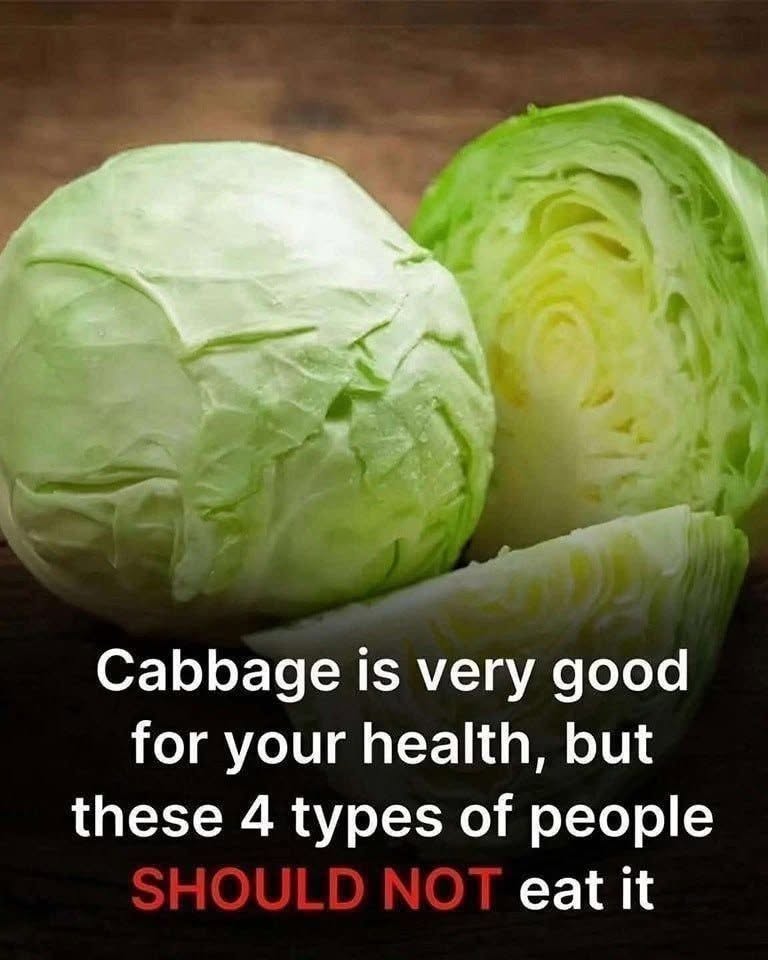
Discover four types of people who may need to avoid or limit cabbage, including those with thyroid concerns, digestive problems, certain medication needs, and specific food intolerances.
Cabbage is a nutritious vegetable packed with fiber, vitamin C, vitamin K, folate, and other beneficial plant compounds. For most people, it can be a healthy addition to a balanced diet. However, cabbage may not be suitable for everyone, particularly when eaten in large amounts or when someone has a specific medical or dietary concern.
Here are four types of people who may need to avoid or limit cabbage, along with the reasons why.
1. People With Hypothyroidism or Iodine-Related Thyroid Concerns
Cabbage belongs to the cruciferous vegetable family, which also includes broccoli, cauliflower, kale, and Brussels sprouts. These vegetables contain compounds known as goitrogens, which can interfere with the thyroid’s use of iodine under certain circumstances.
For most healthy people, eating normal portions of cabbage is unlikely to cause a thyroid problem. However, people with thyroid disorders—particularly those with inadequate iodine intake—may be advised by their healthcare professional to avoid consuming very large amounts of raw cruciferous vegetables.
Why limit it?
Large quantities of raw cabbage may potentially interfere with iodine utilization. Cooking cabbage reduces the activity of many of these compounds.
What to do:
If you have hypothyroidism or another thyroid condition, you generally don’t need to eliminate cabbage completely. Instead, discuss your individual diet with your doctor or dietitian, especially if you regularly consume large amounts of raw cabbage.
2. People Who Experience Gas, Bloating, or IBS Symptoms
Cabbage contains fiber and carbohydrates that can be fermented by bacteria in the digestive tract. For some people, this can lead to gas, bloating, abdominal discomfort, or changes in bowel habits.
People with irritable bowel syndrome (IBS) or particularly sensitive digestive systems may notice symptoms after eating cabbage, especially in large portions.
Why limit it?
The fermentation of certain carbohydrates and the vegetable’s fiber content can increase gas production in sensitive individuals.
What to do:
Try a smaller serving and see how your body responds. Cooking cabbage thoroughly may also make it easier for some people to tolerate. If cabbage consistently triggers symptoms, consider discussing your diet with a healthcare professional.
3. People Taking Certain Blood-Thinning Medications
Cabbage is a source of vitamin K, a nutrient that plays an important role in normal blood clotting.
People taking warfarin and certain other vitamin-K-sensitive anticoagulants don’t necessarily have to avoid cabbage. However, suddenly eating much more or much less cabbage than usual can affect vitamin K intake and potentially interfere with consistent anticoagulation.
Why limit or monitor it?
The main concern is not cabbage itself but major changes in vitamin K consumption.
What to do:
If you take warfarin, aim for a consistent intake of vitamin-K-containing foods and follow your healthcare provider’s advice. Don’t make major dietary changes without discussing them with your doctor or anticoagulation clinic.
4. People With a Cabbage Allergy or Food Intolerance
Although uncommon, some people can have an allergic reaction or intolerance to cabbage.
An allergy may cause symptoms such as itching, hives, swelling, vomiting, wheezing, or difficulty breathing. A food intolerance may instead cause digestive symptoms such as bloating, cramps, or diarrhea.
Why avoid it?
If cabbage causes an allergic reaction, continuing to eat it could result in increasingly serious symptoms.
What to do:
Anyone who develops symptoms of a possible food allergy should stop eating the suspected food and speak with a healthcare professional. Difficulty breathing, swelling of the throat or tongue, dizziness, or fainting requires emergency medical attention.
Should Everyone Avoid Cabbage?
No. For most people, cabbage is a healthy vegetable and does not need to be avoided. The key is individual tolerance, portion size, and medical circumstances.
If cabbage causes digestive discomfort, you may tolerate smaller portions or cooked cabbage better than raw cabbage. People taking medication or managing a thyroid condition should focus on consistency and individualized medical advice rather than unnecessarily eliminating nutritious vegetables.
Final Thoughts
Cabbage offers several nutritional benefits, but certain people may need to limit it or seek professional advice before making it a regular part of their diet. Those with thyroid-related concerns, digestive sensitivity, medication-related dietary restrictions, or a cabbage allergy should pay particular attention to how their body responds.
If you have a diagnosed medical condition or take prescription medication, talk with your doctor or registered dietitian before making significant dietary changes.